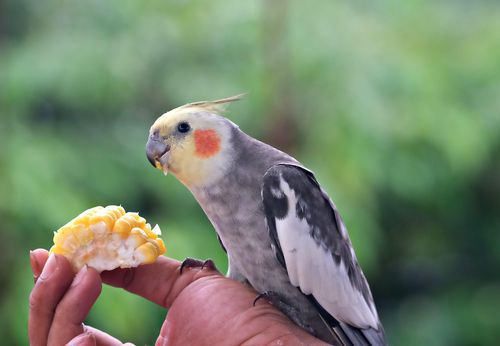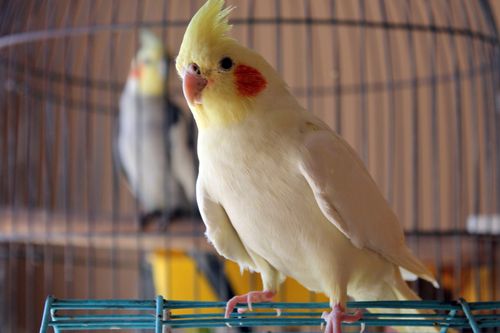
The Rose-headed Conure (Pyrrhura rhodocephala), is a small and visually striking parrot species native to northern South America. This species is best recognized by its distinctive rose-red head, which sets it apart from other members of the Pyrrhura genus.
In the wild, Rose-headed Conures inhabit tropical and subtropical forests, where they live in pairs or small flocks. Due to their limited distribution and lower population density, they are considered rare in the pet trade and are usually kept by experienced bird enthusiasts.
Intelligence
Ability to learn, solve problems, and adapt.
Vocalness
How expressive this pet is through sound.
Sociability
Comfort level with social interaction.
Affection Level
Tendency to show affection toward humans.
Playfulness
Willingness to play and engage in games.
Activity Level
Overall daily activity and movement needs.
Independence
Tendency to act independently rather than seek attention.
Ease of Care
Overall simplicity of daily care.
The Rose-headed Conure is a small-sized conure, measuring approximately 9–10 inches (23–25 cm) in length and weighing around 2.3–2.8 ounces (65–80 grams).
Key physical characteristics include:
- Head: Prominent rose-red to deep red coloration, the species’ defining feature
- Body: Predominantly green plumage with subtle scalloped patterns on the chest
- Wings: Blue-tinged flight feathers
- Tail: Deep red or maroon tail feathers
- Eye Rings: Distinct white bare eye rings, adding contrast to the facial features
These rich color contrasts make the Rose-headed Conure one of the most visually appealing Pyrrhura species.
Rose-headed Conures display the classic “Little Sun Conure” personality:
- Highly social and affectionate, forming strong bonds with their owners
- Energetic and curious, enjoying climbing, chewing, and interactive play
- Intelligent and trainable, capable of learning basic tricks and commands
- Moderate vocalization, quieter than larger parrots but still expressive
They thrive on daily interaction and mental stimulation. Without sufficient attention, they may develop stress-related behaviors such as excessive vocalization or feather plucking.
Breeding Rose-headed Conures in captivity is possible but slightly more challenging than with more common conure species.
- Breeding season typically occurs in spring to early summer
- Females lay 3–5 eggs per clutch
- Incubation period: approximately 23–26 days
- Chicks fledge at around 7–8 weeks of age
Successful breeding depends heavily on stable environmental conditions and compatible pair bonding.
A balanced and varied diet is essential for maintaining good health:
- High-quality pellets or seed mixes
- Fresh fruits and vegetables such as apples, carrots, leafy greens, and berries
- Occasional protein sources, such as cooked legumes
Rose-headed Conures require daily out-of-cage time for exercise and social interaction. A stimulating environment with toys, perches, and climbing structures helps prevent boredom and behavioral issues.
Although small in size, Rose-headed Conures are very active and require adequate space:
- Minimum cage size: 18 x 18 x 24 inches
- Bar spacing should be appropriate for small parrots
- Include multiple perches and chew-safe toys
Regular cage cleaning is essential to maintain hygiene and prevent disease.
With proper care, Rose-headed Conures can live 15–25 years in captivity.
Common health concerns include:
- Feather plucking due to stress or boredom
- Nutritional deficiencies from poor diet
- Respiratory issues in unclean or poorly ventilated environments
Regular check-ups with an avian veterinarian are strongly recommended.
Thanks to their intelligence and social nature, Rose-headed Conures respond well to positive reinforcement training.
- Early socialization improves adaptability
- Gentle handling helps build trust
- Training sessions should be short and engaging
They are best suited for intermediate to experienced bird owners who can provide consistent interaction and enrichment.
According to the International Union for Conservation of Nature (IUCN), the Rose-headed Conure is currently listed as Least Concern (LC). However, habitat loss and illegal trade remain potential threats in parts of its native range.
Responsible ownership and ethical breeding practices are encouraged.
- Rose-headed Conures are known to form strong pair bonds in the wild
- Their red head coloration becomes more vivid with maturity
- Despite their small size, they possess a bold and confident personality