The Green-Cheeked Conure, scientifically known as Pyrrhura molinae, is a small parrot native to the forests of South America. They are popular in the pet trade due to their lively personality and relatively low noise level. These birds are primarily found in the subtropical and tropical forests of Bolivia, Brazil, Paraguay, and Argentina.
Intelligence
Ability to learn, solve problems, and adapt.
Vocalness
How expressive this pet is through sound.
Sociability
Comfort level with social interaction.
Affection Level
Tendency to show affection toward humans.
Playfulness
Willingness to play and engage in games.
Activity Level
Overall daily activity and movement needs.
Independence
Tendency to act independently rather than seek attention.
Ease of Care
Overall simplicity of daily care.
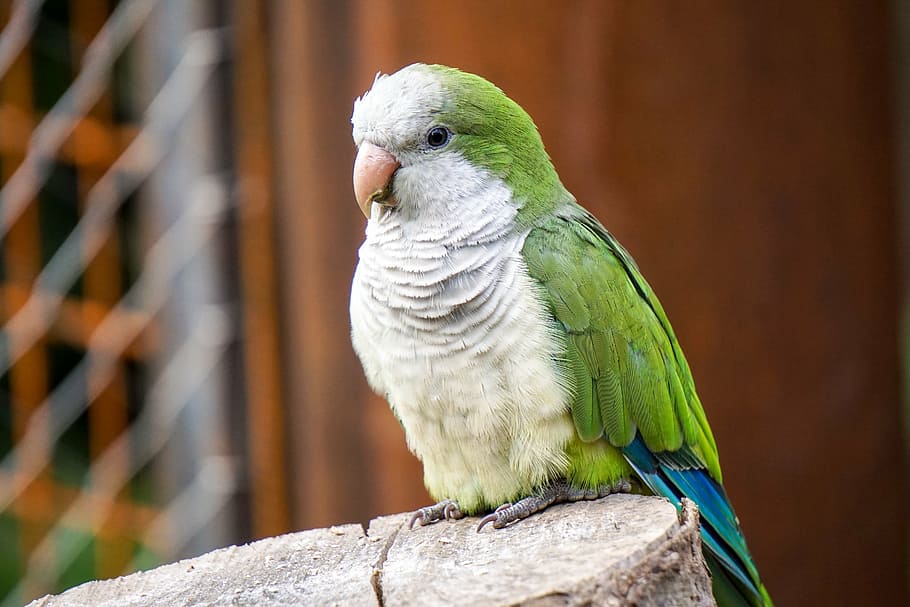
The Green-Cheeked Conure is a small to medium-sized bird, typically measuring about 10 inches (26 cm) in length and weighing between 2.1 to 2.8 ounces (60 to 80 grams). They have a charming color palette of green, gray, and red feathers, with unique blue flight feathers. The tail feathers are dark red, and their chest and belly have a scalloped appearance with lighter green feathers. Their eyes are surrounded by white rings, adding to their distinctive look.
Green-Cheeked Conures are known for their friendly and social nature. They are very playful and active, often seen exploring their cage or interacting with toys. They are also intelligent birds and can learn various tricks if properly trained. They enjoy interacting with humans and can form strong emotional bonds.
Green-Cheeked Conures can breed relatively easily in captivity. The breeding season typically begins in the spring. Females usually lay 4 to 6 eggs, with an incubation period of about 23 to 26 days. The chicks fledge at about 7 to 8 weeks and become independent at around 3 months of age.
Green-Cheeked Conures require a balanced diet of seeds, fruits, and vegetables. Recommended foods include apples, grapes, carrots, and spinach. They enjoy having toys and perches in their cage for mental stimulation and exercise. It is also recommended to provide these active birds with daily out-of-cage time in a safe area to prevent injury or escape.
Green-Cheeked Conures need a spacious cage. The minimum size should be 18 inches x 18 inches x 24 inches. The cage should include perches and toys to provide enough space for activity. The cage should be cleaned regularly to ensure the bird’s health.
With proper care, Green-Cheeked Conures can live between 15 to 25 years in captivity. Regular veterinary check-ups help detect and prevent potential health issues. Common health problems include feather plucking and malnutrition, so providing a balanced diet and sufficient mental stimulation is crucial.
Due to their friendly nature and relatively quiet voice, Green-Cheeked Conures are suitable pets for individuals or families looking for interactive but quieter birds. Early socialization and gentle handling can help form a strong bond with the owner. These intelligent birds can also be trained to learn tricks and follow commands using positive reinforcement and rewards.
Green-Cheeked Conures are not currently listed as threatened by the International Union for Conservation of Nature (IUCN). However, it is always important for potential owners to support responsible breeders.
Did you know that in the wild, Green-Cheeked Conures live in pairs or small groups? They are also known for their playful and affectionate behavior and often seen cuddling with their owners or other birds.
Social Nature: Green-Cheeked Conures enjoy living in groups, usually in pairs or small flocks.
Quiet Voices: Compared to other parrot species, Green-Cheeked Conures have a relatively quiet voice, making them suitable for apartment living or homes with neighbors.
Adaptable: They can adapt to various living environments as long as they receive proper care and attention.
High Learning Ability: These intelligent birds can learn various tricks and commands and even mimic simple sounds.