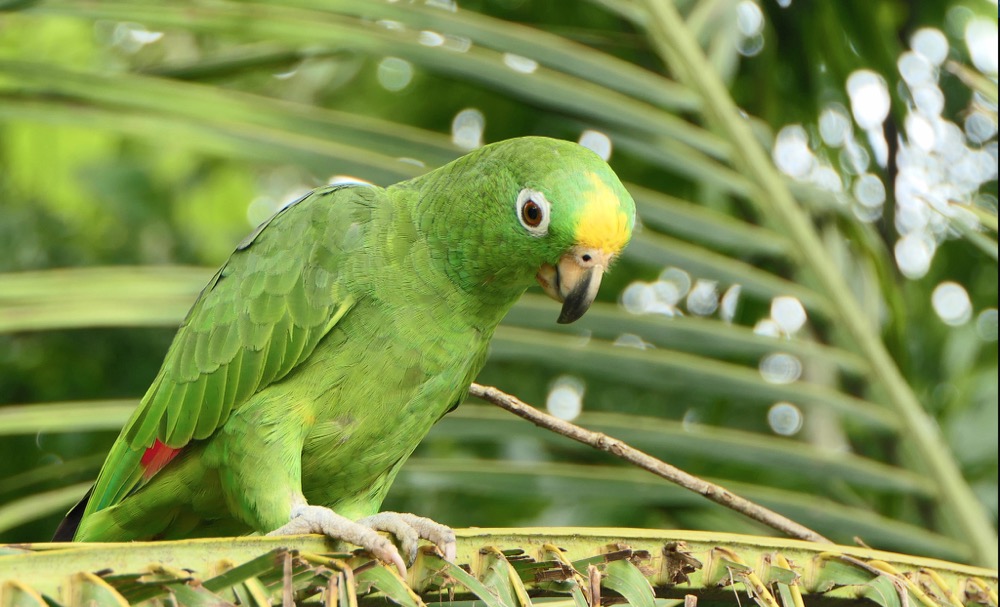
The Senegal Parrot, native to the savanna woodland regions of West Africa, is a popular choice for a pet bird due to its lively yet manageable temperament. Known for their engaging personalities and relatively small size, they are an excellent choice for first-time parrot owners.
Intelligence
Ability to learn, solve problems, and adapt.
Vocalness
How expressive this pet is through sound.
Sociability
Comfort level with social interaction.
Affection Level
Tendency to show affection toward humans.
Playfulness
Willingness to play and engage in games.
Activity Level
Overall daily activity and movement needs.
Independence
Tendency to act independently rather than seek attention.
Ease of Care
Overall simplicity of daily care.
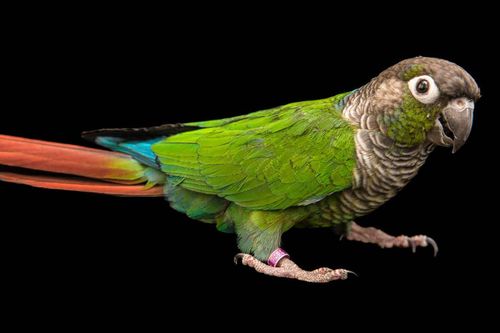
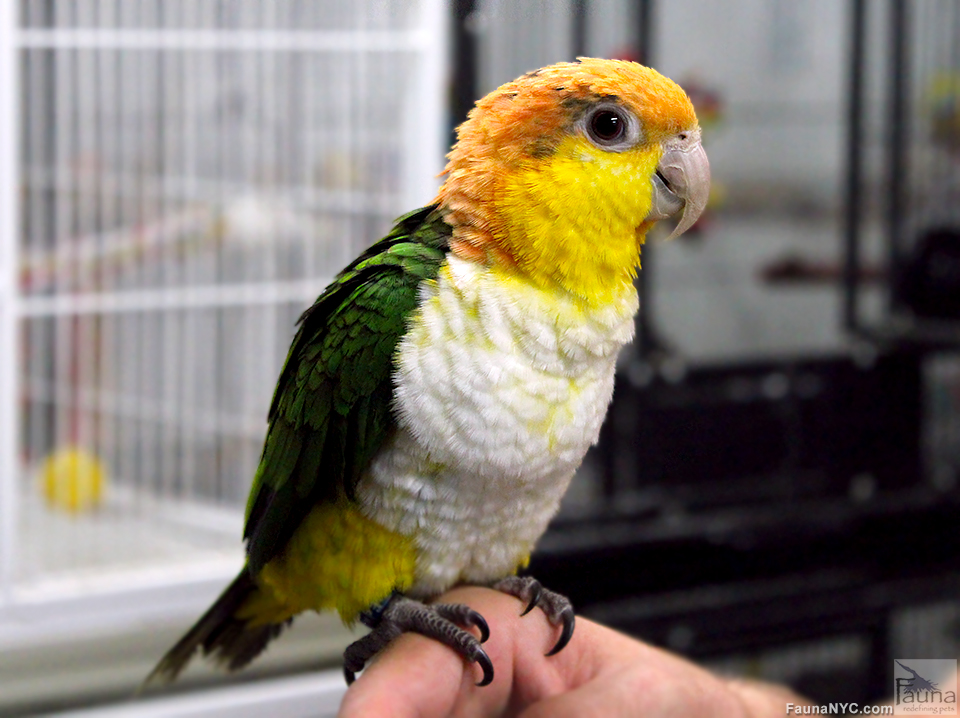
Senegal Parrots are relatively small parrots, usually around 23 cm in length and weighing between 120-170 grams. They are characterized by their green bodies, gray heads, and distinct V-shaped patches of color on their bellies that vary from yellow to orange.
Senegal Parrots are known for their interactive and sociable nature. They are relatively calm for a parrot, but still playful and active. Senegal Parrots are intelligent birds, capable of learning a variety of tricks and commands with consistent training.
Senegal Parrots require a balanced diet of pellets, fruits, and vegetables. They thrive on mental stimulation, so toys and puzzle games are ideal additions to their habitat. Regular out-of-cage time in a safe, bird-proofed area is also important for their physical health and social well-being.
Senegal Parrots typically live between 20-30 years in captivity with proper care. Regular veterinary check-ups can help detect and prevent potential health issues.
Senegal Parrots are suitable pets for beginners, families, and children due to their friendly nature and manageable size. Early socialization and gentle handling can help foster a strong bond with their owners. Senegal Parrots are intelligent birds and can be trained to learn tricks, follow commands, and even use simple tools.
The Senegal Parrot is classified as Least Concern (LC) by the International Union for Conservation of Nature (IUCN). They are relatively abundant in their native Africa, though pet trade should always rely on responsibly bred individuals, not wild-caught birds.
Did you know that Senegal Parrots are known for their ability to mimic human speech? They may not have the extensive vocabulary of some larger parrots, but they can still learn to say a few words and phrases!