Sun Conure (Sun Parakeet)

The Sun Conure (Aratinga solstitialis), also known as the Sun Parakeet, is a medium-sized parrot native to the coastal forests of northeastern South America, particularly Brazil, Guyana, and Venezuela. They are known for their vibrant colors and lively personality, primarily inhabiting the edges of lowland forests and open areas.

Intelligence

Ability to learn, solve problems, and adapt.

Vocalness

How expressive this pet is through sound.

Sociability

Comfort level with social interaction.

Affection Level

Tendency to show affection toward humans.

Playfulness

Willingness to play and engage in games.

Activity Level

Overall daily activity and movement needs.

Independence

Tendency to act independently rather than seek attention.

Ease of Care

Overall simplicity of daily care.

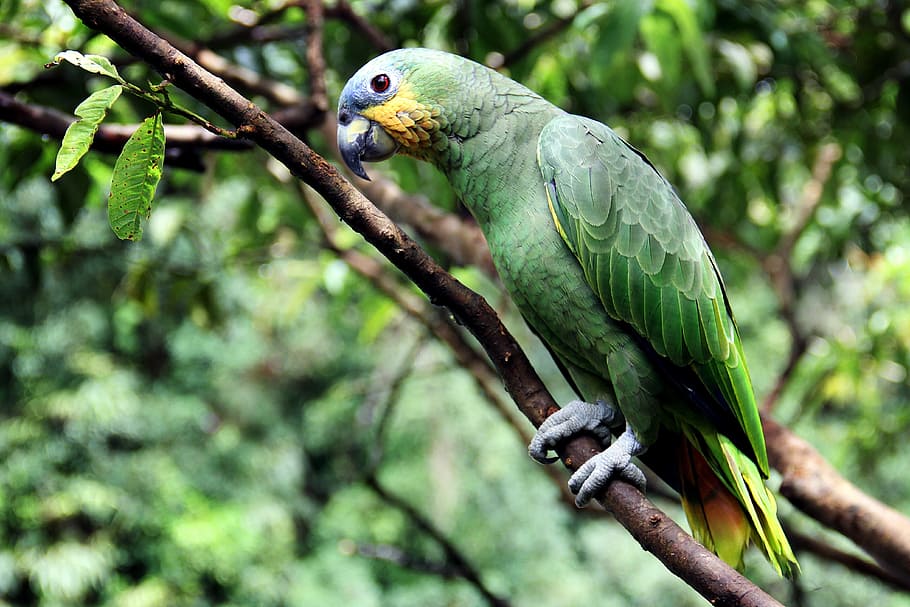
The Sun Conure is a medium-sized bird, typically about 30 cm (12 inches) in length and weighing between 110-130 grams (4-5 ounces). They are celebrated for their colorful plumage, which includes shades of orange, yellow, green, and blue. Juvenile Sun Conures have darker feathers that become brighter as they mature. They have a sturdy body, long tail, and a hooked beak suitable for cracking seeds.
Sun Conures are known for their playful and social nature. They are very active and enjoy swinging and climbing in their cages, or playing with toys. Sun Conures are intelligent birds that, with proper training, can learn various tricks and commands. They love interacting with humans, especially forming strong emotional bonds with their owners. Due to their high sociability and activity levels, they require ample mental and physical stimulation.

Sun Conures reach sexual maturity at about 2 years of age. In captivity, they do not have a specific breeding season but usually begin breeding in the spring as daylight and temperature increase. They can breed 1-3 times a year, but it’s advisable to limit to twice to avoid overburdening the female.

Breeding cages should be spacious, with minimum dimensions of 4 feet long x 2 feet wide x 2 feet high (1.2m x 0.6m x 0.6m) and bar spacing of 1/2 to 3/4 inches. Provide a wooden nest box approximately 12x12x12 inches (30x30x30cm), lined with soft materials like shredded paper or non-toxic wood shavings to mimic their natural environment.

Females typically lay 3-4 eggs per clutch, with an incubation period of about 23-27 days. Chicks fledge at 7-8 weeks and become independent around 9-10 weeks. During the breeding period, the female handles incubation and feeding, while the male guards the nest.

Sun Conures require a balanced diet of seeds, fruits, and vegetables. Recommended foods include apples, grapes, carrots, and spinach. Provide plenty of toys and perches, ensure their cage is spacious, and clean it regularly. They need ample out-of-cage time in a safe environment to prevent injuries or escape. Regular social interaction is crucial, and they benefit from close time with their owners. Regular vet visits are recommended to prevent potential health issues.
With proper care, Sun Conures can live between 15-20 years in captivity. Regular veterinary check-ups can help detect and prevent potential health issues. Common health problems include feather plucking and nutritional deficiencies, so providing a balanced diet and sufficient mental stimulation is essential.
Due to their lively nature and care requirements, Sun Conures are suitable for experienced bird owners. Early socialization and gentle handling can help build a strong bond with their owner. Sun Conures are intelligent and can be trained to learn tricks, follow commands, and even perform small tasks. Training methods include positive reinforcement and using rewards.
Due to habitat loss and capture for the pet trade, Sun Conures are listed as Endangered (EN) by the International Union for Conservation of Nature (IUCN). Responsible bird breeding should always support captive breeding rather than capturing wild birds. Protecting their habitat and reducing illegal capture is crucial for their conservation.

Did you know that Sun Conures are highly social birds that live in small groups in the wild? They are among the most colorful parrots, and while they can be quite noisy, they are also known for their playful and affectionate behavior.

More Interesting Facts

  • Color Changes: Sun Conure feathers become brighter as they age.
  • High Intelligence: They can learn various tricks and commands and can mimic simple sounds and actions.
  • Social Needs: Sun Conures thrive in groups and may develop behavioral issues if kept alone.
  • Longevity: With proper care, Sun Conures can live up to 20 years or more.
Latest Articles