
There are many pet parrot species to choose from—but which one is best for your family? Before adopting a parrot, it’s important to understand the differences in personality, care requirements, and how well each species fits into family life. Below, we introduce 7 of the most common and popular pet parrot species to help you find the perfect feathered companion for your lifestyle.
Pet Parrot Species Overview
Parrot species vary greatly in appearance, temperament, and care difficulty. Some parrots are well suited for family life, while others require more time, experience, and environmental stability. Keep in mind that the information below reflects general breed traits—each parrot is an individual—but it can serve as a helpful starting point when choosing a pet parrot.
Budgerigar (Budgie)
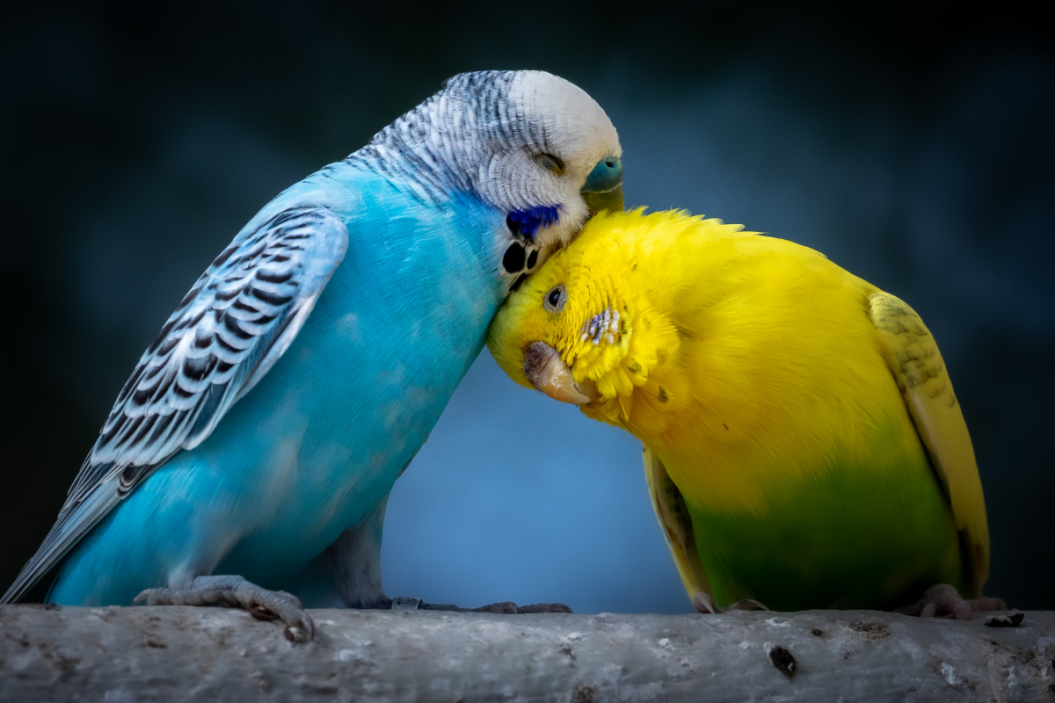
Budgie
Budgerigars, commonly known as budgies or parakeets, are often the first pet parrots for many families, especially those with children. They are small, colorful, social, and generally very friendly.
With regular and gentle interaction, budgies are easy to tame. They are relatively quiet compared to larger parrots, but many learn to whistle, mimic sounds, and even say simple words. While all birds can bite, well-socialized budgies are usually gentle.
Because of their small size, budgies can be vulnerable to household pets such as cats and dogs, so proper precautions are essential. They also require a spacious cage, enrichment toys, and daily feeding and cleaning.
Lovebirds
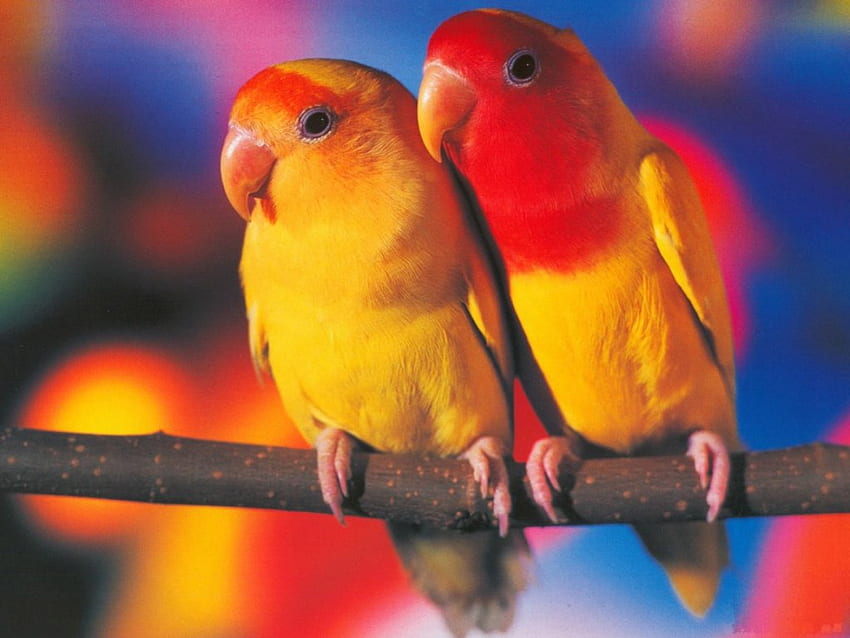
Lovebirds on a branch
Lovebirds are small parrots often considered suitable for beginner parrot owners. They are named for their strong pair bonds and are frequently seen cuddling with a companion.
A single lovebird can thrive as a pet, but only if the owner provides consistent attention and interaction. When kept in pairs, lovebirds may bond more closely with each other and less with humans.
They are intelligent, energetic, and sometimes stubborn. Gentle nipping may occur, especially without proper socialization. Some individuals can be quite vocal, making them less suitable for noise-sensitive households or apartments.
Cockatiel
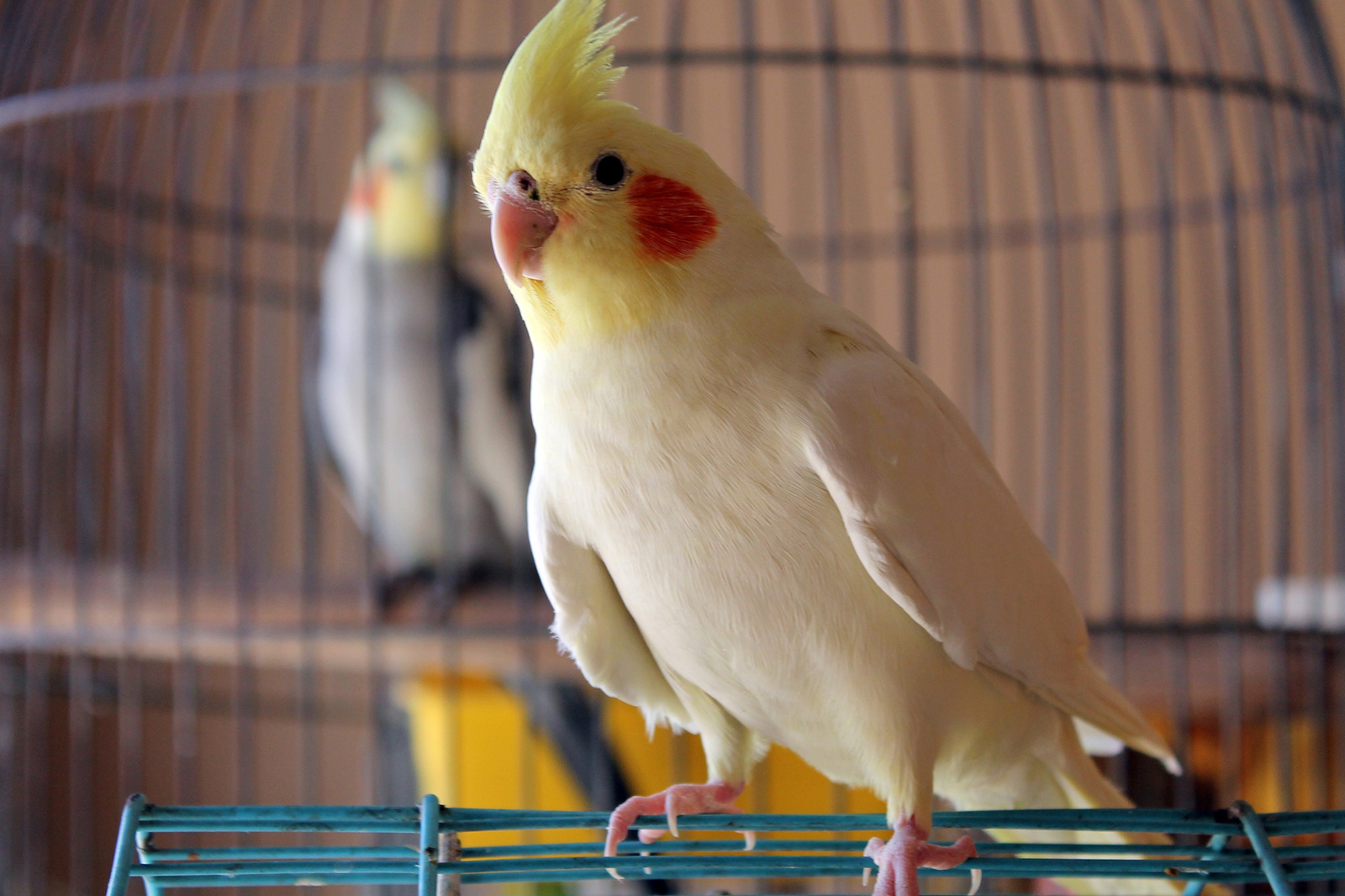
Cockatiel looking at camera
Cockatiels are slightly larger than budgies and lovebirds and are among the most popular family pet parrots. They are gentle, affectionate, and enjoy interactive play and whistling.
While they typically do not develop large vocabularies, cockatiels communicate well through sounds and body language. Their expressive head crests often indicate mood and emotional state.
Cockatiels can spend long periods contentedly in a large cage if they receive regular interaction. When allowed free flight indoors, care must be taken to avoid hazards such as windows, fans, hot surfaces, and other pets.
Green-cheeked Conure
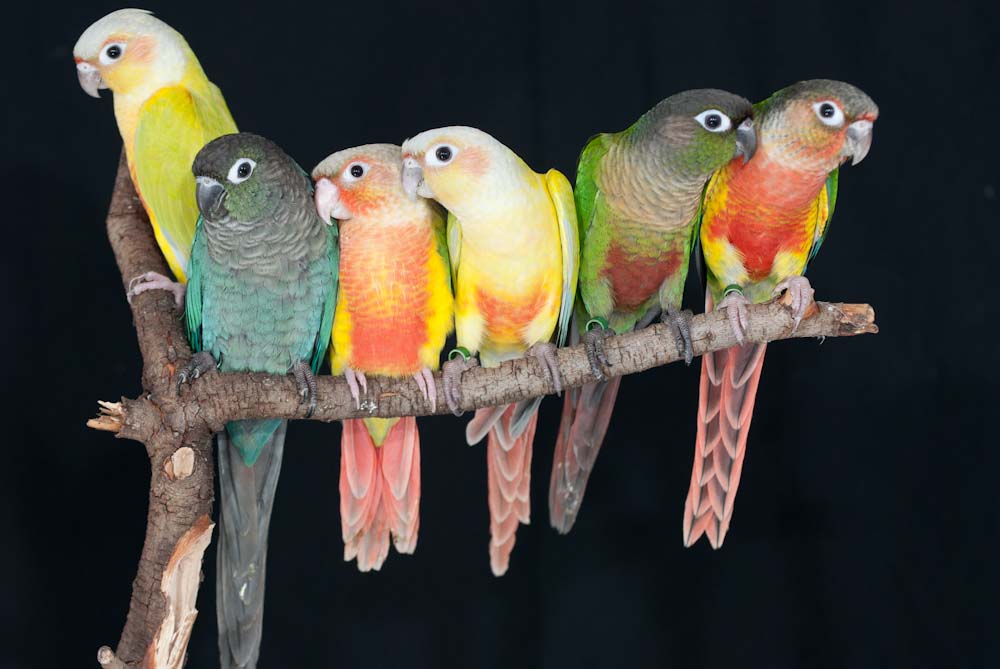
Green-cheeked Conure
The green-cheeked conure is a smaller, relatively gentle conure species and is often considered one of the most popular small pet parrots.
They are intelligent, playful, and highly affectionate, often enjoying time on their owner’s shoulder or lap. Compared to larger conures, green-cheeked conures are relatively quiet, making them more suitable for apartment living.
However, they have strong beaks and benefit from consistent training and positive reinforcement. Daily interaction, enrichment, and mental stimulation are essential for their well-being.
Conures
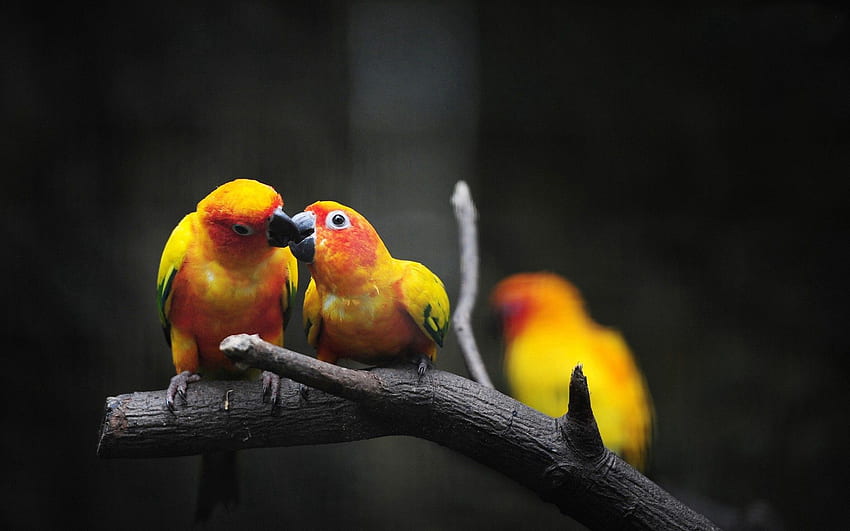
Sun Conures
Conures are small to medium-sized parrots known for their outgoing, playful, and highly social personalities. They thrive on interaction and often insist on being part of daily household activities.
While intelligent and entertaining, many conure species are extremely loud. This makes them less suitable for apartments or homes with low noise tolerance. They require significant time, attention, and enrichment but reward their owners with strong bonds and engaging companionship.
African Grey Parrot
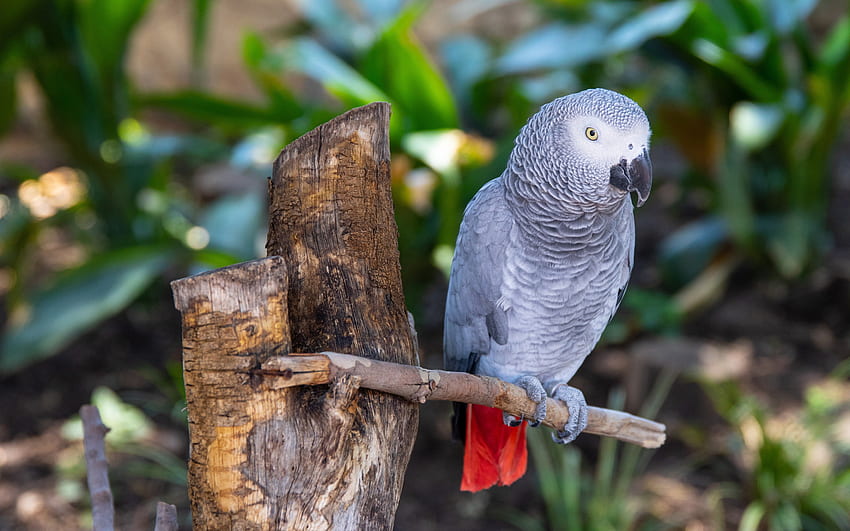
African Grey Parrot
African grey parrots are famous for their exceptional intelligence and advanced speech abilities, earning them the nickname “the Einsteins of the bird world.”
They are best suited for experienced parrot owners. African greys are highly sensitive to environmental changes, may develop behavioral issues, and often bond strongly with a single person. They are also known for their ability to destroy toys and household items.
Their care and veterinary needs can be demanding and expensive, but for dedicated owners, African greys offer unmatched interactive potential.
Monk Parakeet (Quaker Parrot)
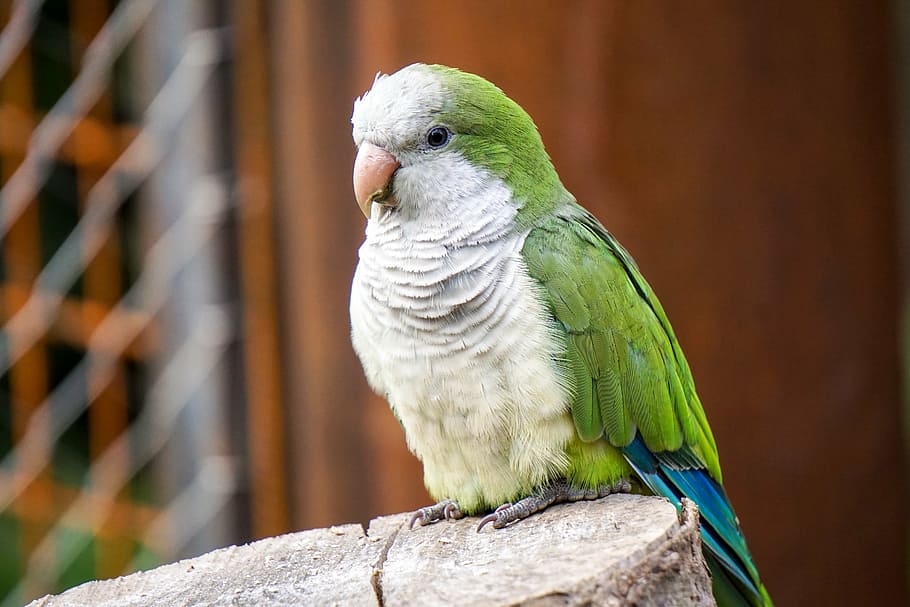
Monk Parakeet
Monk parakeets are small to medium-sized parrots known for their sociable nature and strong vocal abilities. They enjoy interacting with people and can learn a wide range of words and sounds.
Confident and energetic, monk parakeets benefit from clear, gentle training. They love building, chewing, and exploring, which means they require plenty of toys and environmental enrichment.
In some countries or regions, monk parakeets may be subject to legal restrictions, so it’s important to check local regulations before adopting one.
Which Pet Parrot Is Right for You?
These parrots are considered “most popular” because they strike a balance between personality, interaction, and adaptability. However, there is no single “best” pet parrot. The right choice depends on your lifestyle, available time, and tolerance for noise and interaction.
All parrots require daily care, cleaning, companionship, and a bird-safe environment. Carefully evaluating your long-term commitment is essential for both you and your feathered companion.