
African Grey parrots are widely considered one of the most intelligent pet birds in the world.
They can learn an impressive vocabulary and even use words appropriately in context. Intelligent, sensitive, and highly observant — these traits make them fascinating companions, but they also come with higher care demands.
Before bringing an African Grey into your home, here are six important things you should seriously consider.
01
There’s More Than One Type of African Grey
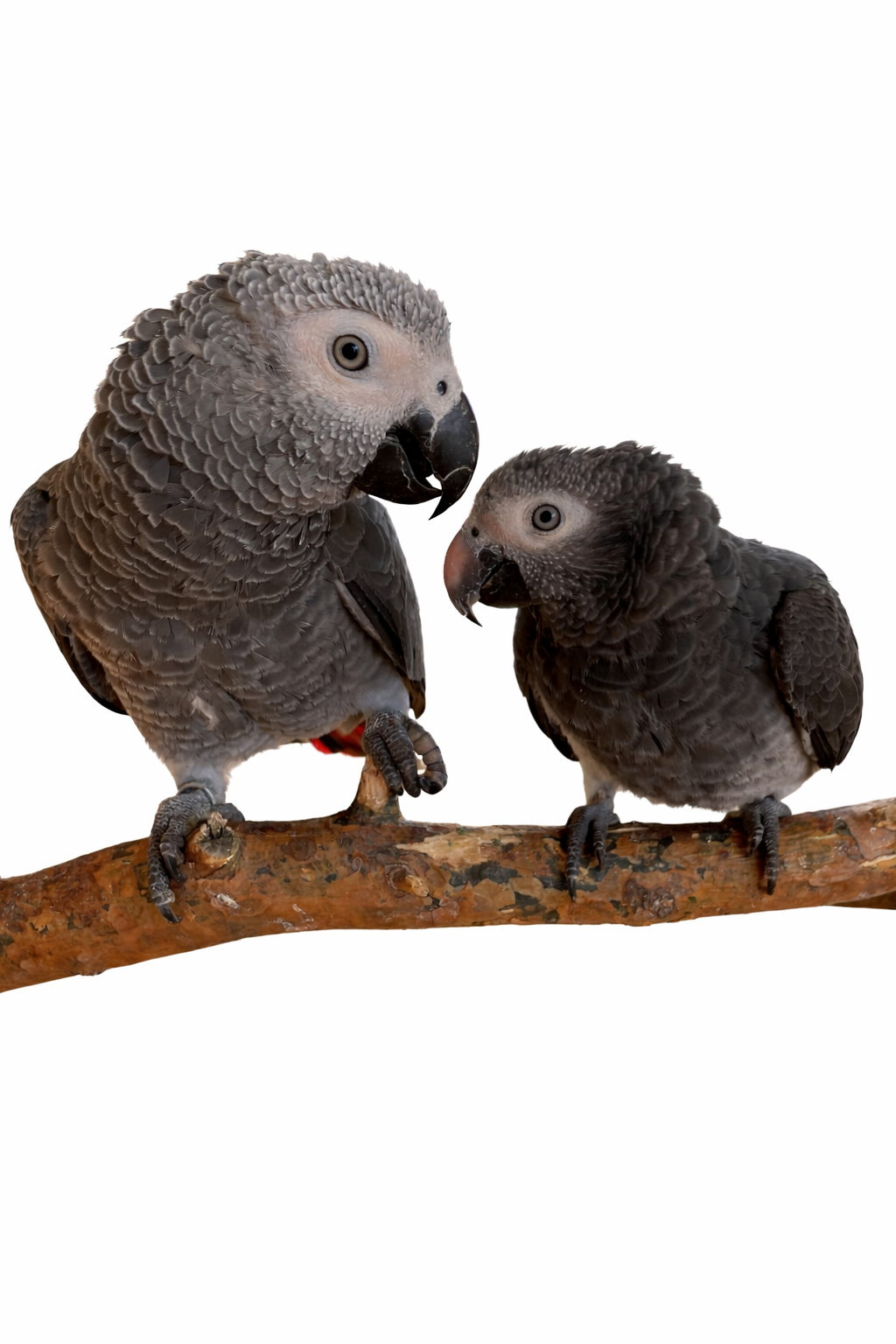
Many people assume there is only one African Grey, but the two most common types are:
-
Congo African Grey
Larger in size, lighter grey plumage, bright red tail feathers, and a solid black beak. -
Timneh African Grey
Slightly smaller, darker grey body, maroon tail, and a horn-colored upper beak.
In 2012, the Timneh was reclassified as a separate species.
Both are exceptionally intelligent, but some owners report slight personality differences — Timnehs are often described as more adaptable, while Congos tend to be more emotionally sensitive.
Understanding these distinctions can help you choose the right companion.
02
Their Intelligence Is on Another Level
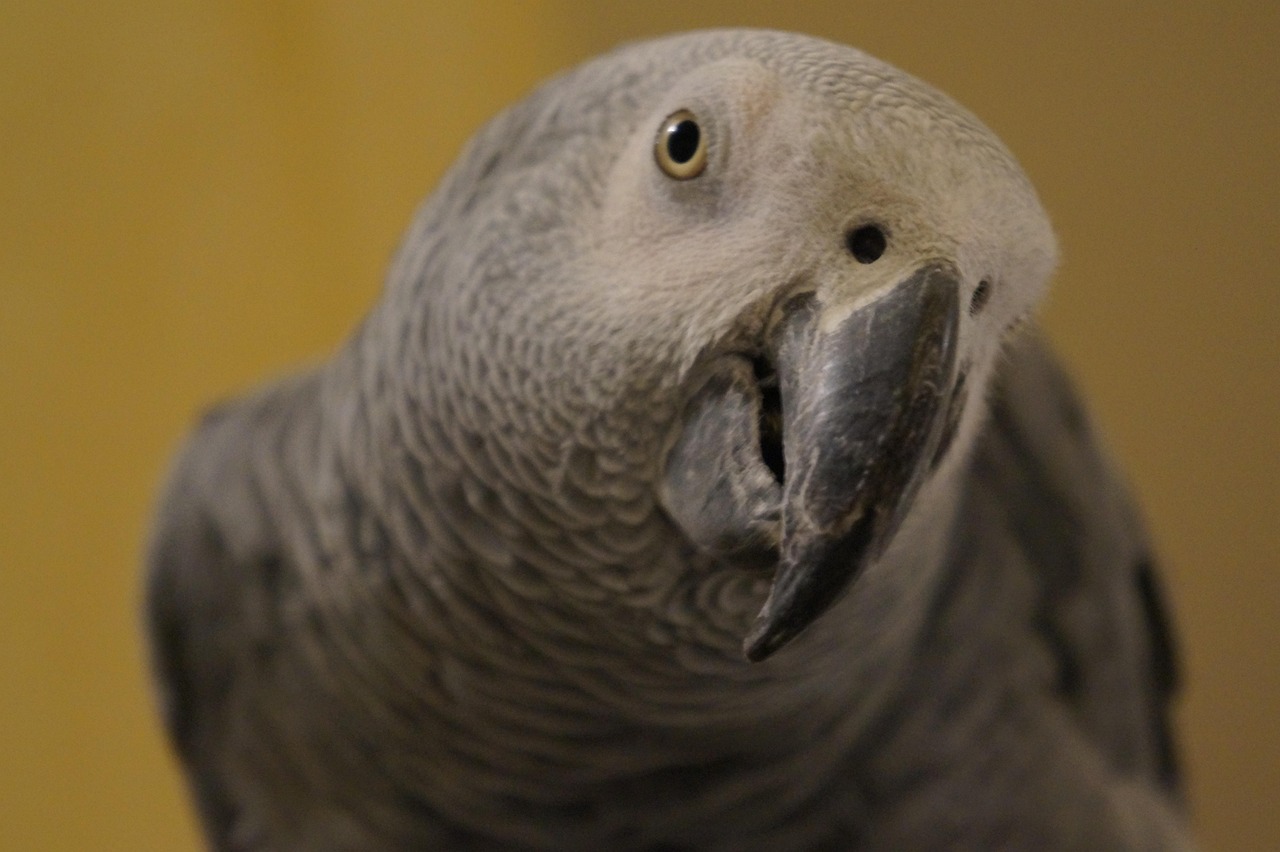
African Greys have played a major role in avian cognitive research.
The most famous individual, Alex, studied by psychologist Irene Pepperberg, demonstrated the ability to recognize colors, shapes, numbers, and even concepts like “same” and “different.” He knew over 100 words and could perform simple addition. Another well-known Grey, Einstein, famously performed at a TED conference.
They don’t just mimic sounds — they can use words intentionally in certain contexts.
Because of this, treating them as “just a talking pet” dramatically underestimates their needs.
High intelligence means they require consistent mental engagement and challenges. Without it, behavioral issues can develop.
03
They Form Deep Emotional Bonds
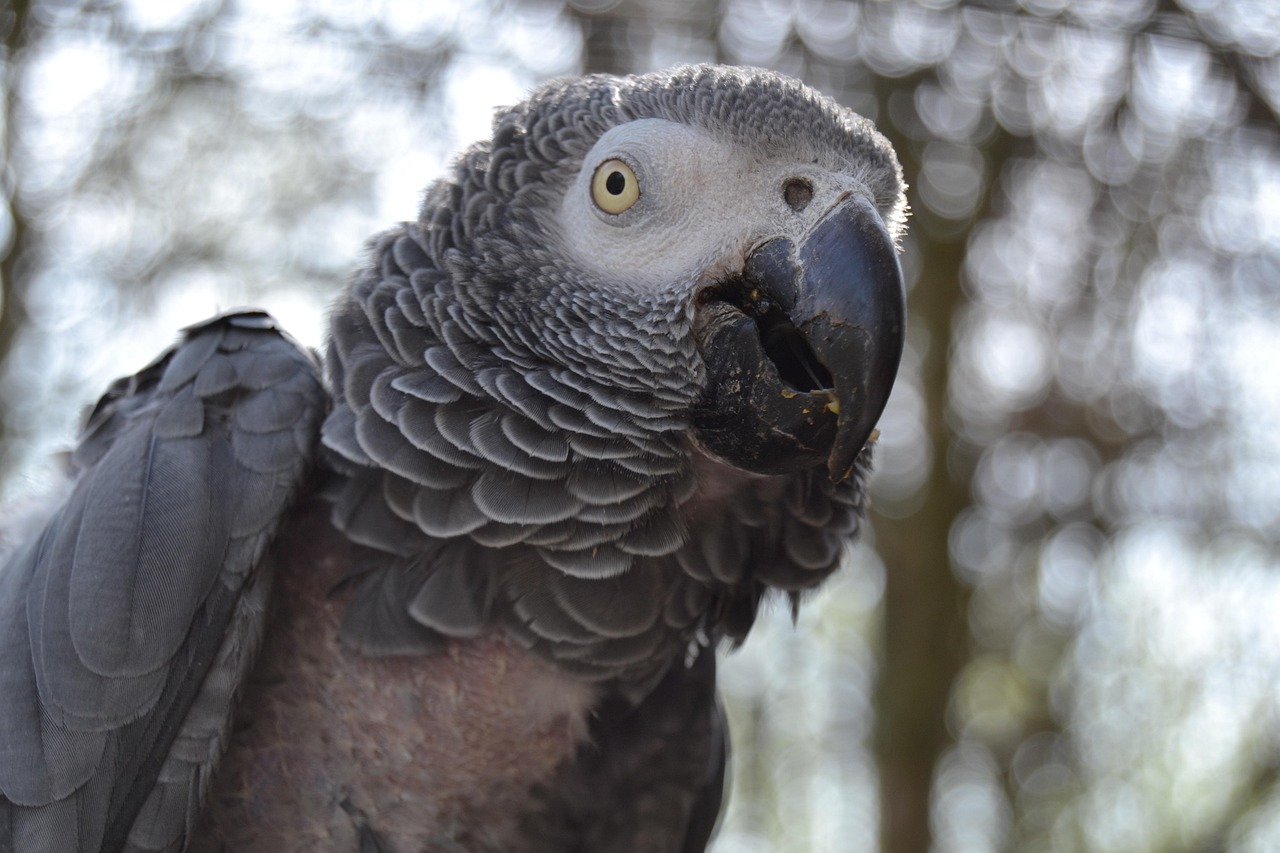
African Greys often develop strong emotional attachments to their primary caregiver.
This bond can be incredibly rewarding — but also demanding.
Without regular companionship, they may show:
- Excessive screaming
- Feather plucking
- Aggression or withdrawal
- Anxiety-related behaviors
They are more like a highly social family member than a pet that can be left alone for long hours.
Daily interaction and out-of-cage time are essential for their emotional well-being.
04
Care Requirements Are More Demanding Than You Think
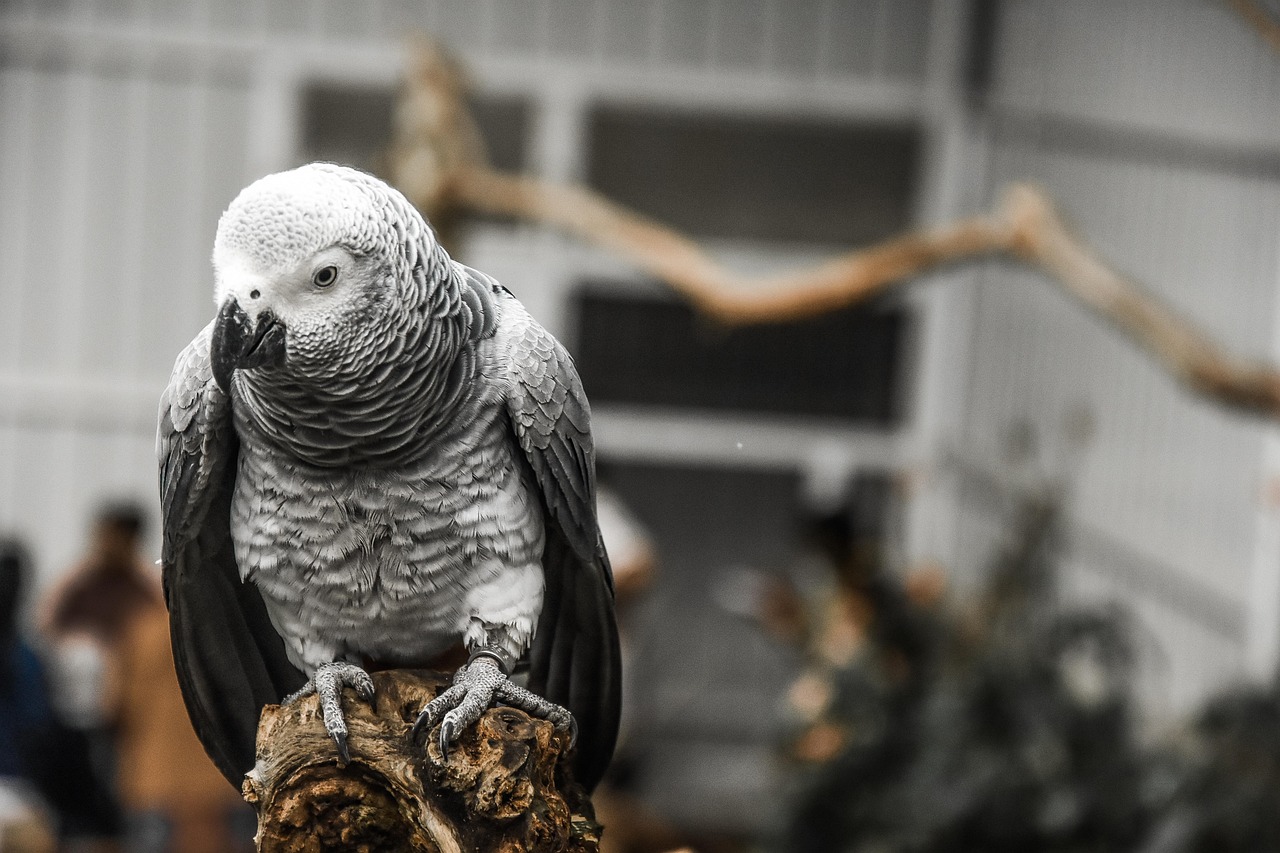
African Greys need:
- A large, spacious cage
- Several hours of supervised out-of-cage time daily
- Rotating toys and foraging enrichment
- Ongoing training and social interaction
They are strong, athletic birds that need climbing and flight opportunities to stay healthy.
Keeping them confined for extended periods can negatively impact both their physical and psychological health.
If your lifestyle is extremely busy, it’s worth carefully reconsidering whether this species is a good match.
05
They Are a Lifetime Commitment
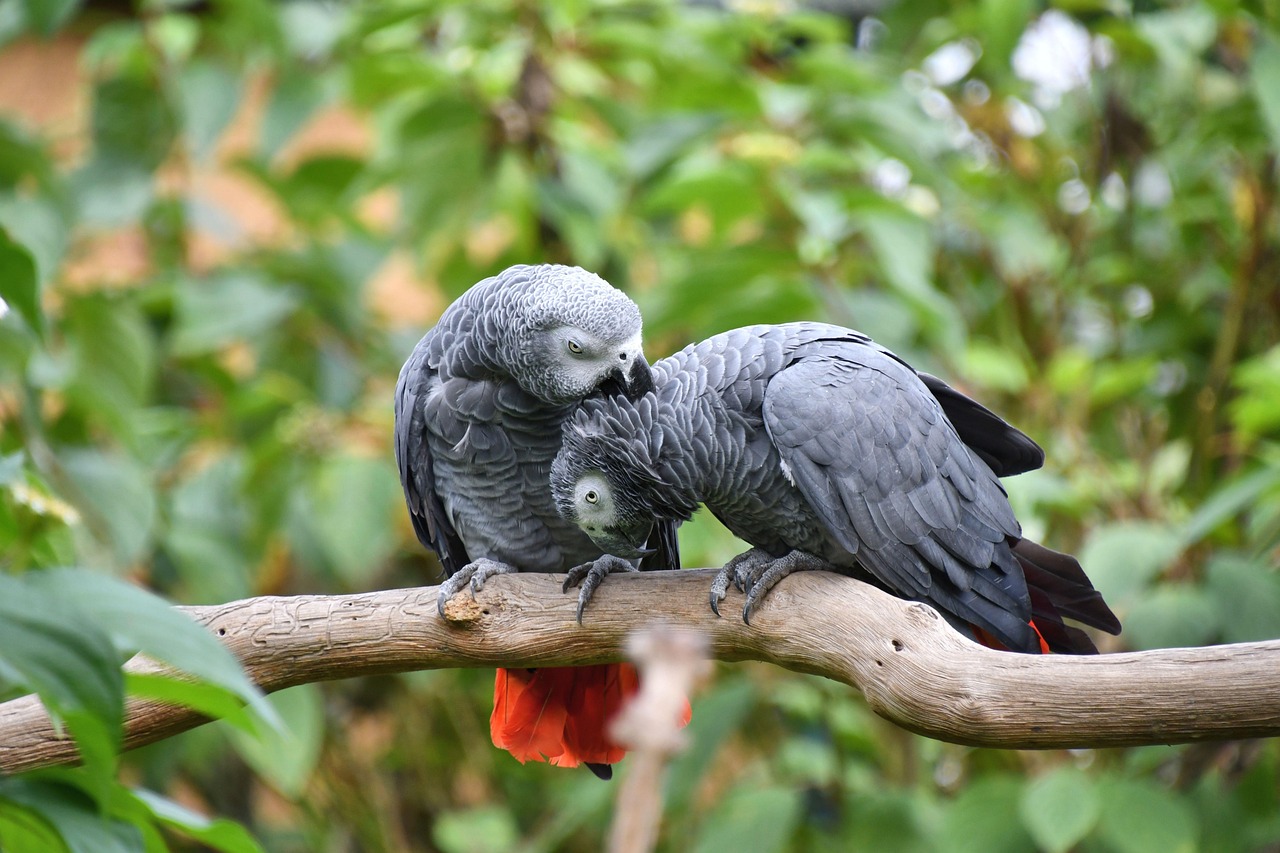
With proper care, African Greys can live for several decades.
That means they may outlive job changes, relocations, and major life transitions.
Rehoming can cause significant emotional stress for them.
Choosing an African Grey is not a short-term decision — it’s a long-term responsibility that could span much of your adult life.
06
Mental Stimulation Is Just as Important as Food
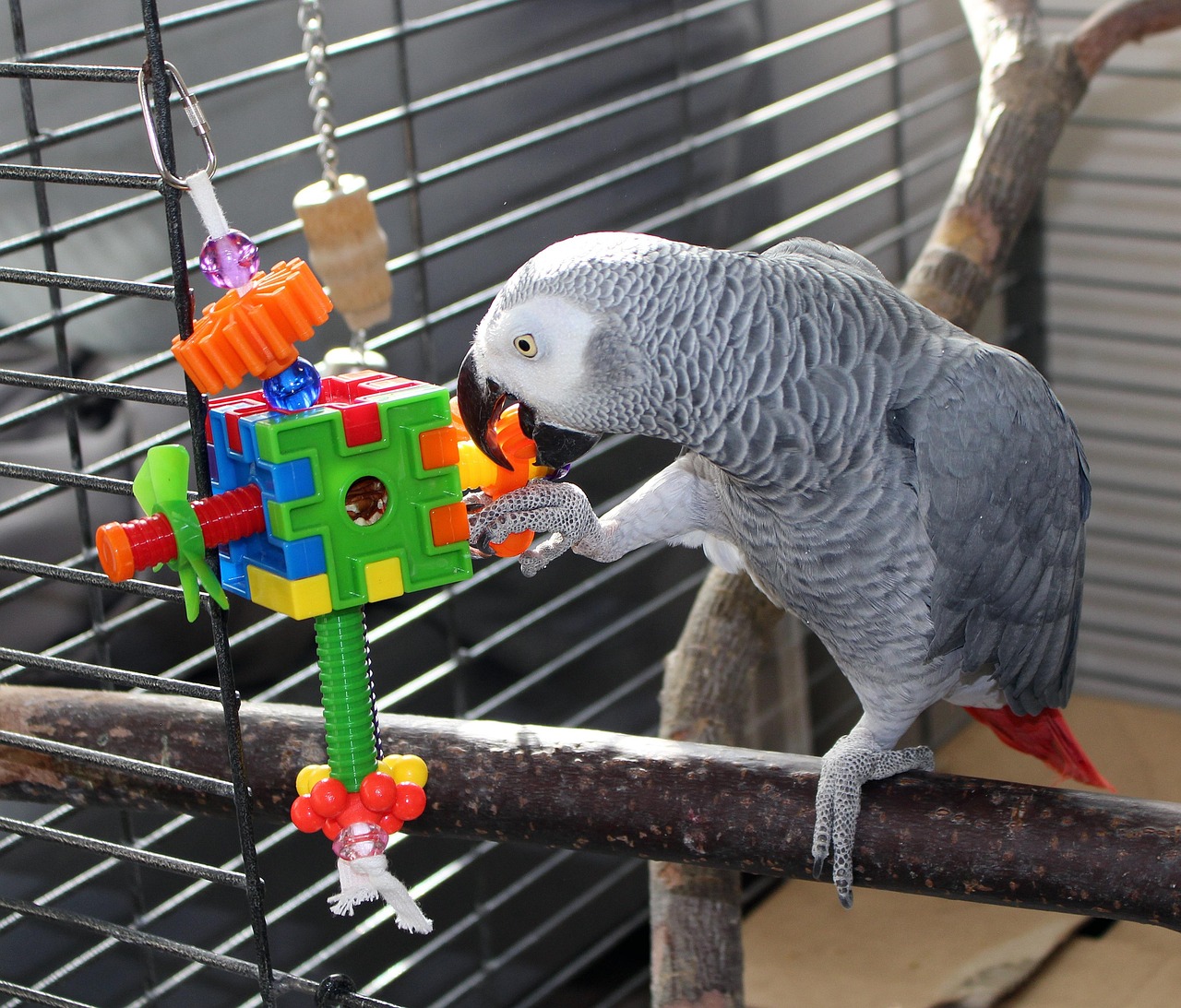
For African Greys, boredom is one of the biggest risk factors.
Without sufficient stimulation, they may:
- Scream excessively
- Destroy household items
- Develop repetitive behaviors
- Engage in self-harm such as feather plucking
Providing toy rotation, foraging challenges, basic training, and environmental variety significantly reduces these risks.
Involving them in daily family life is far more important than simply offering food and water.
African Grey parrots are intelligent, elegant, and highly interactive.
But they are not suited for people looking for a low-maintenance pet.
If you’re still exploring parrot species, you may also enjoy reading:
👉 7 Most Popular Pet Parrot Species
Among companion parrots, the African Grey is often considered one of the most intellectually demanding — best suited for dedicated owners willing to invest time, patience, and long-term commitment.