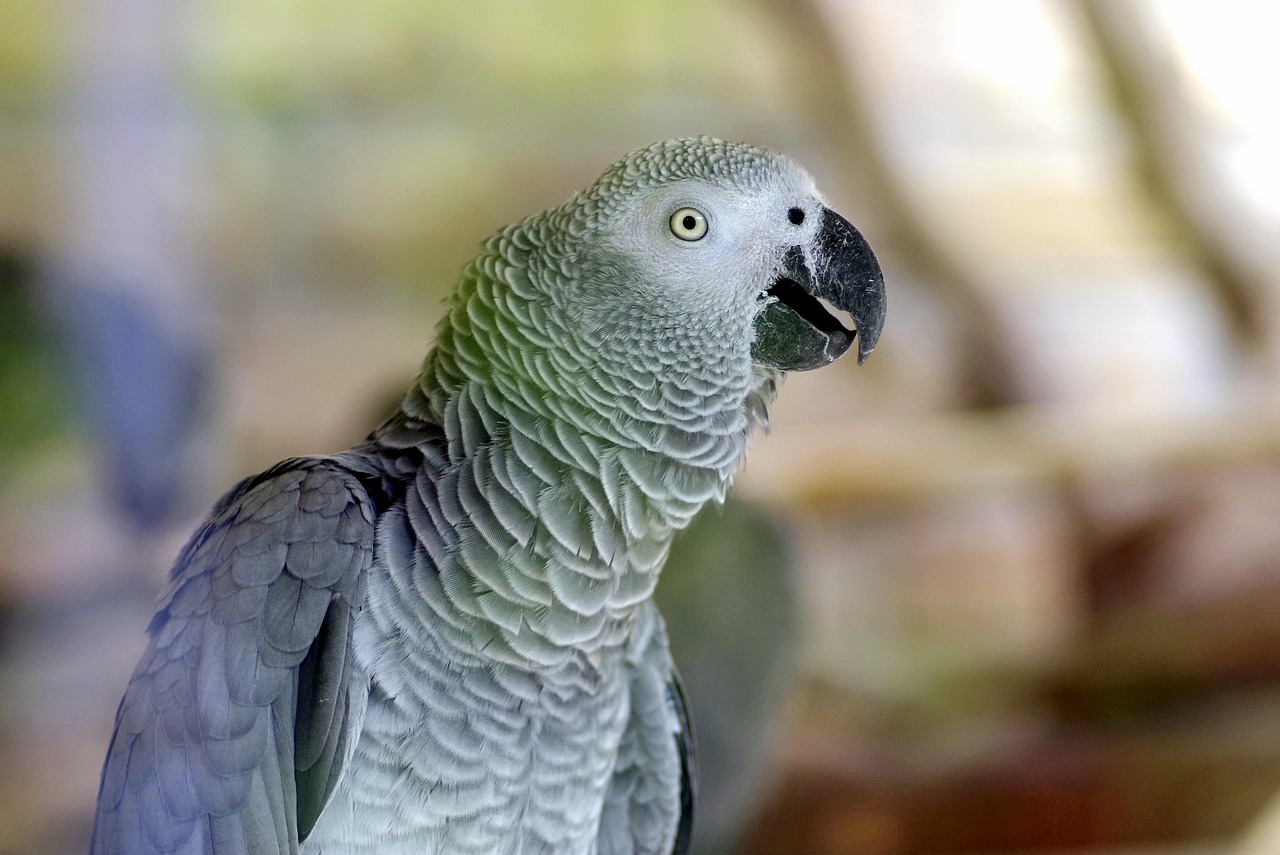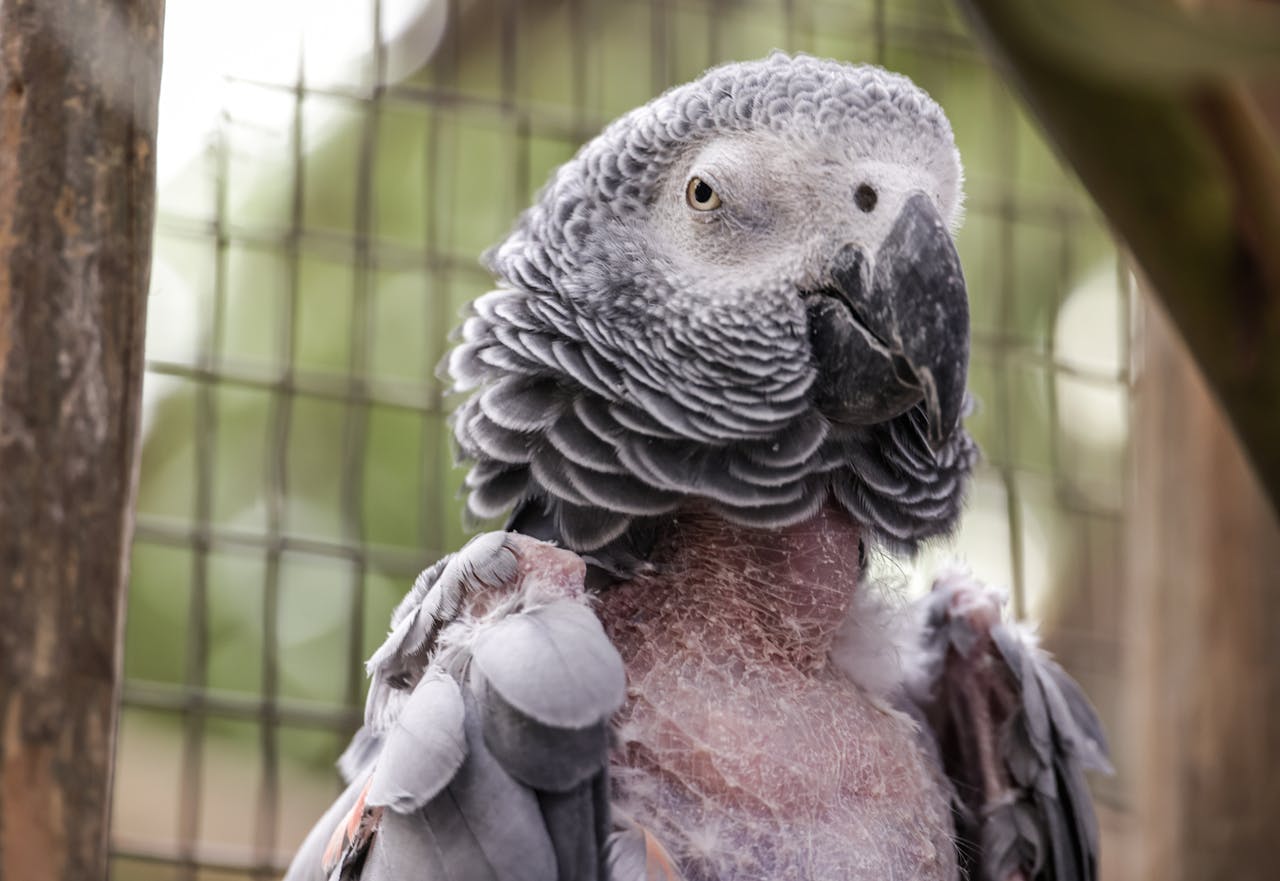

African Grey Parrots are considered one of the most intelligent pet birds in the world.
Along with mental stimulation and social interaction, they also require a balanced and nutritious diet to stay healthy.
Many new owners assume that seeds are the main food for parrots, but feeding a seed-only diet over time can lead to nutritional deficiencies, obesity, and calcium problems.
A well-balanced diet is essential for maintaining your African Grey’s health, feather quality, and stable behavior.
Basic Information
Common Name: African Grey Parrot
Recommended Diet Structure:
- High-quality parrot pellets: about 60%
- Fresh vegetables: about 20–25%
- Fruit: about 10%
- Nuts and seeds: small amounts as treats
Feeding Frequency:
- Two main meals per day
- Fresh fruits and vegetables daily
The Ideal Diet for an African Grey Parrot
A healthy diet typically consists of pellets, fresh foods, and a small amount of seeds.
1. High-Quality Parrot Pellets (Main Food)
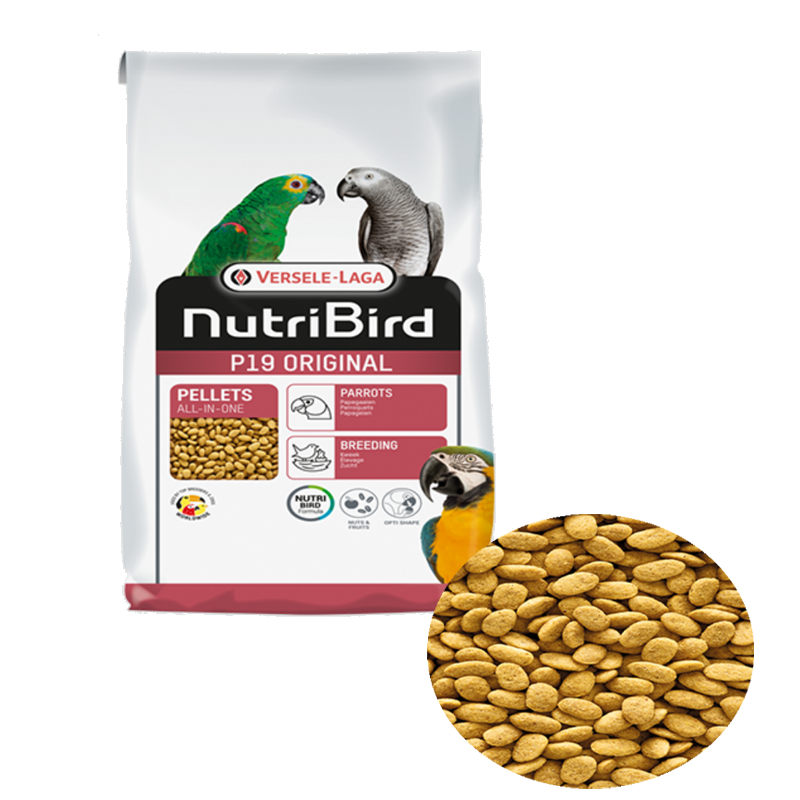
Pellets are widely recommended by avian nutrition experts because they provide consistent and balanced nutrition.
Benefits include:
- Balanced vitamins and minerals
- Reduced selective eating
- Controlled fat intake
Pellets should make up 50%–70% of your parrot’s daily diet.
2. Fresh Vegetables
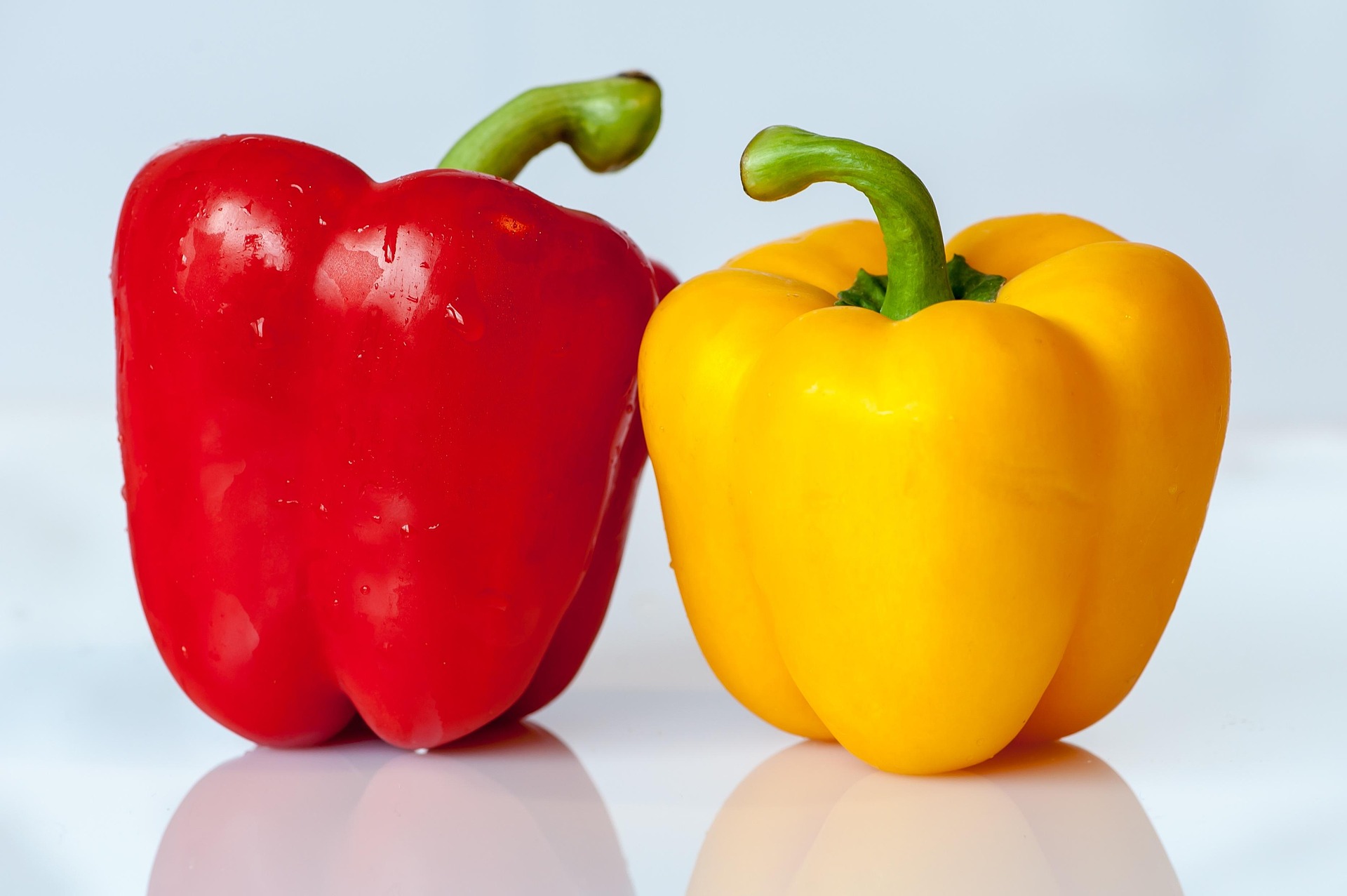
Vegetables provide vitamins, minerals, and fiber that are important for overall health.
Safe vegetables for African Grey Parrots include:
- Carrots
- Broccoli
- Spinach
- Kale
- Pumpkin
- Bell peppers
Feeding tips:
- Cut into small pieces
- Serve raw or lightly steamed
- Provide fresh vegetables daily
3. Fruits (In Moderation)
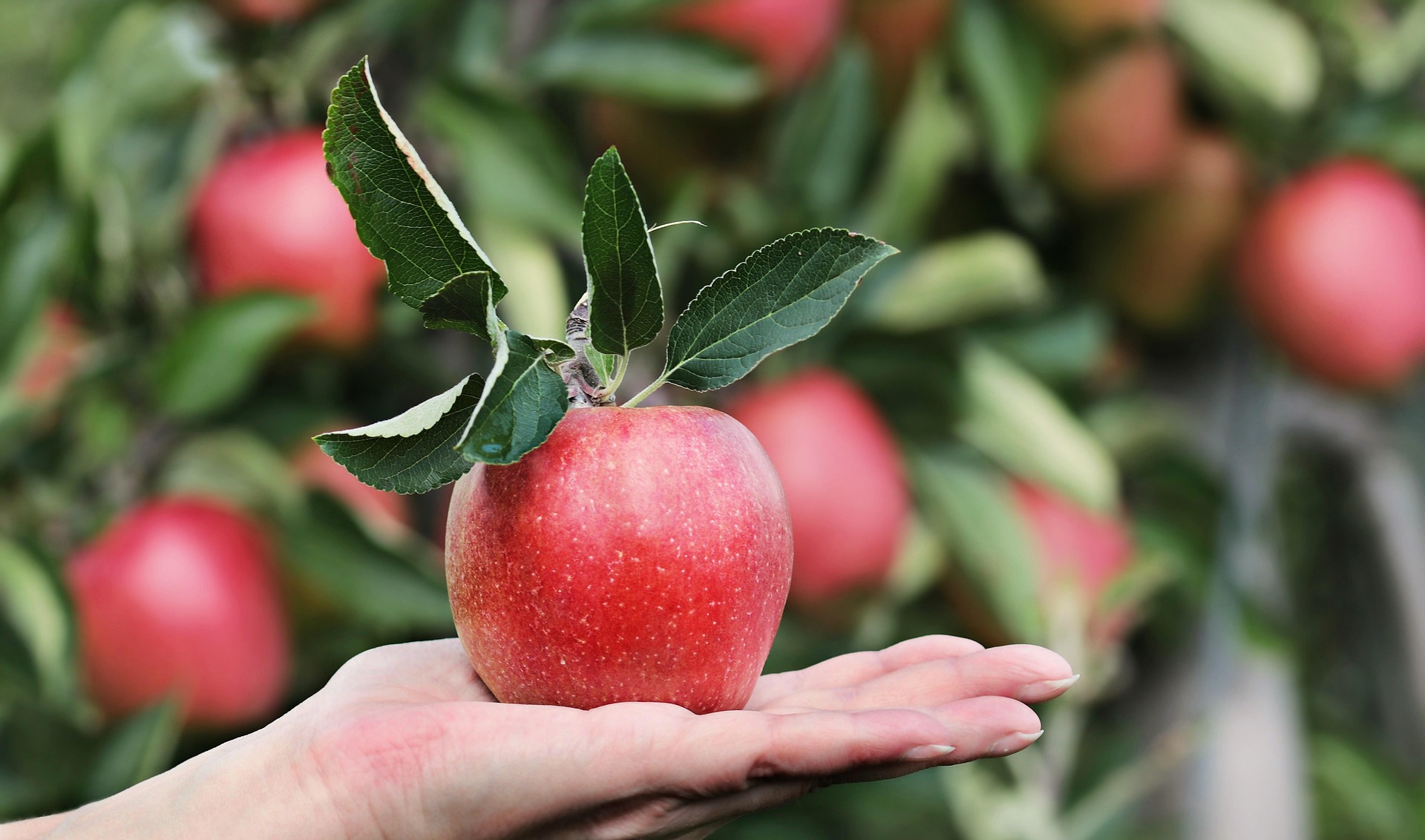
Fruit contains natural sugar, so it should be offered in moderation.
Safe fruits include:
- Apples (without seeds)
- Bananas
- Blueberries
- Papaya
- Mango
- Pomegranate
Recommended amount:
Fruit should make up about 5%–10% of the daily diet.
4. Nuts and Seeds (Treats)
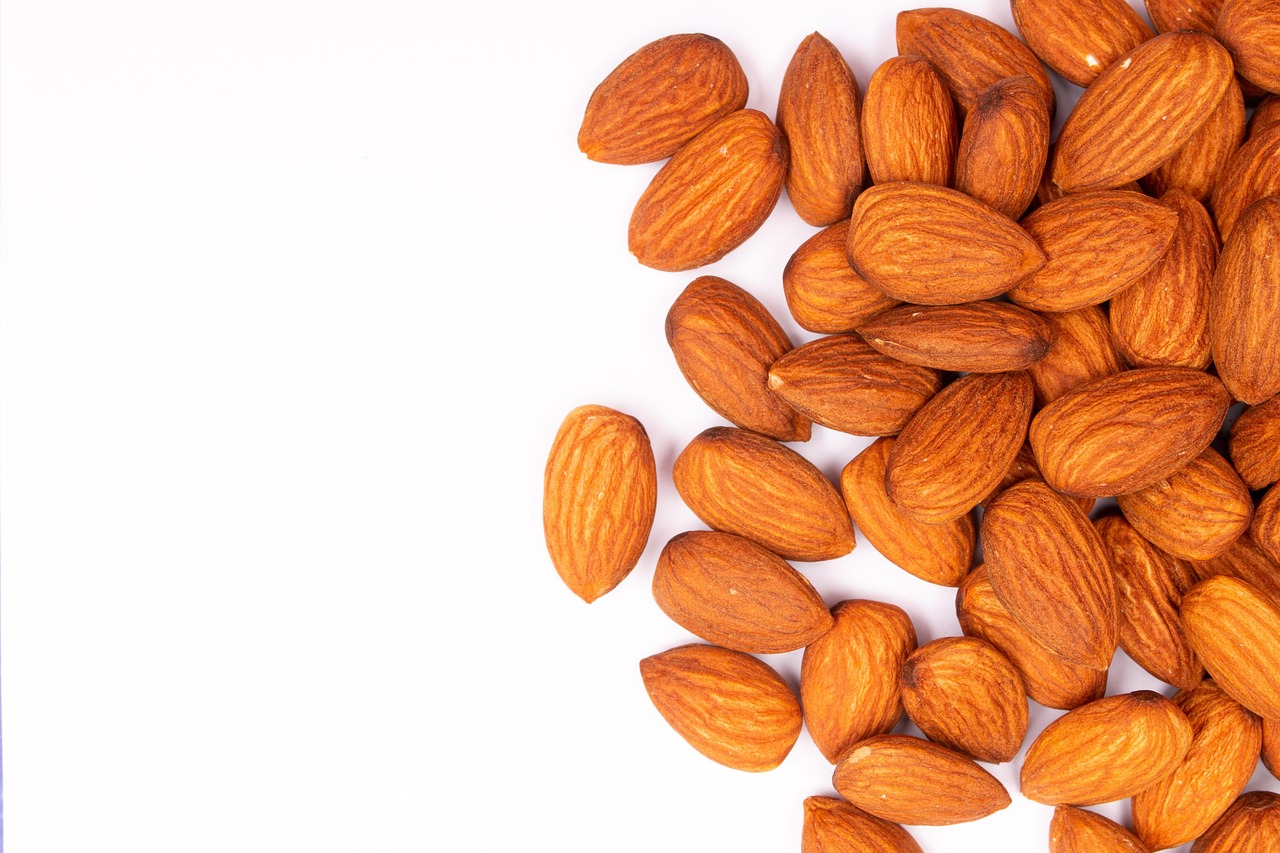
African Grey Parrots love nuts, but they are high in fat, so they should not be a staple food.
Common options include:
- Almonds
- Walnuts
- Hazelnuts
- Sunflower seeds
Best used as:
- Training rewards
- Occasional treats
Foods African Grey Parrots Should Avoid
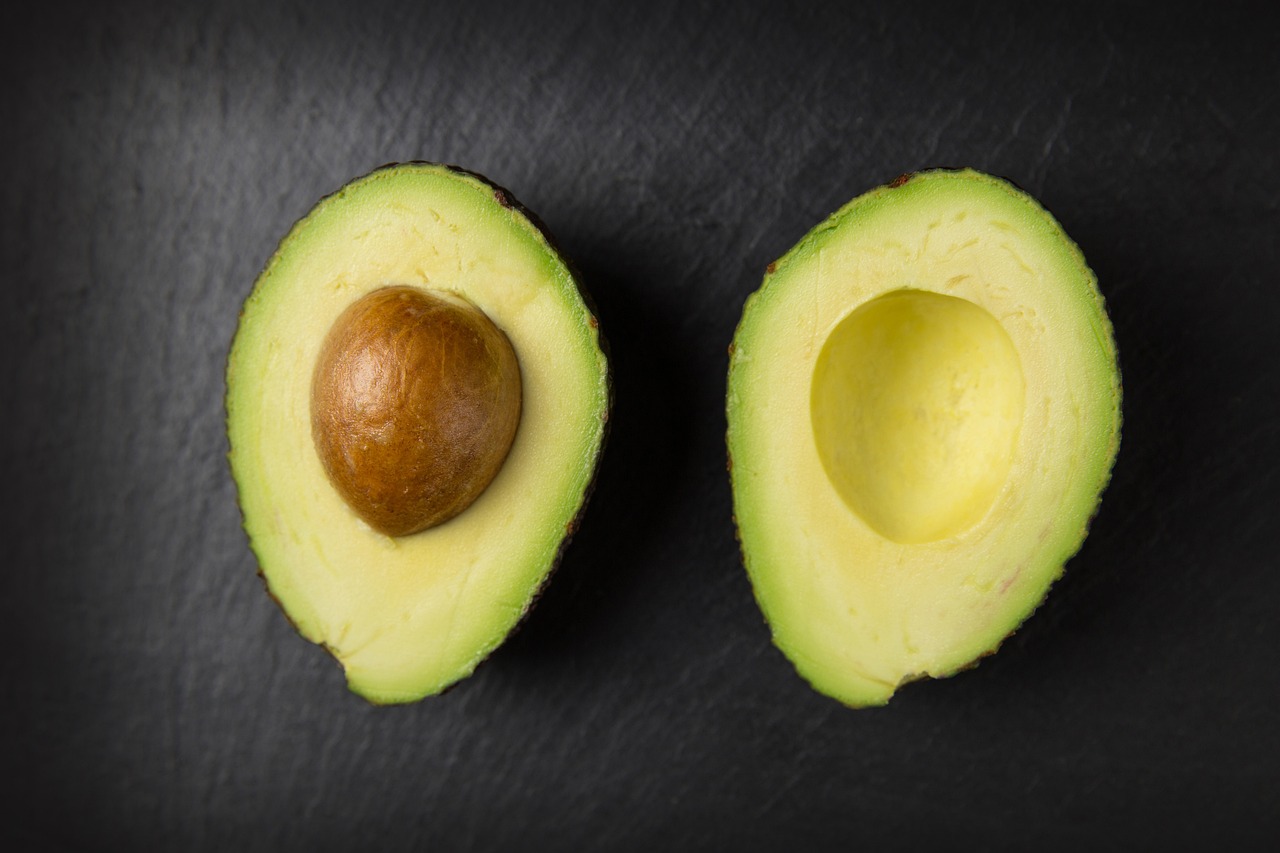
Some human foods are toxic or dangerous for parrots.
Avoid feeding:
- Avocado
- Chocolate
- Coffee and caffeine
- Alcohol
- Onions and garlic
- High-salt processed foods
These foods may cause toxicity, digestive problems, or even death.
The Importance of Calcium for African Grey Parrots
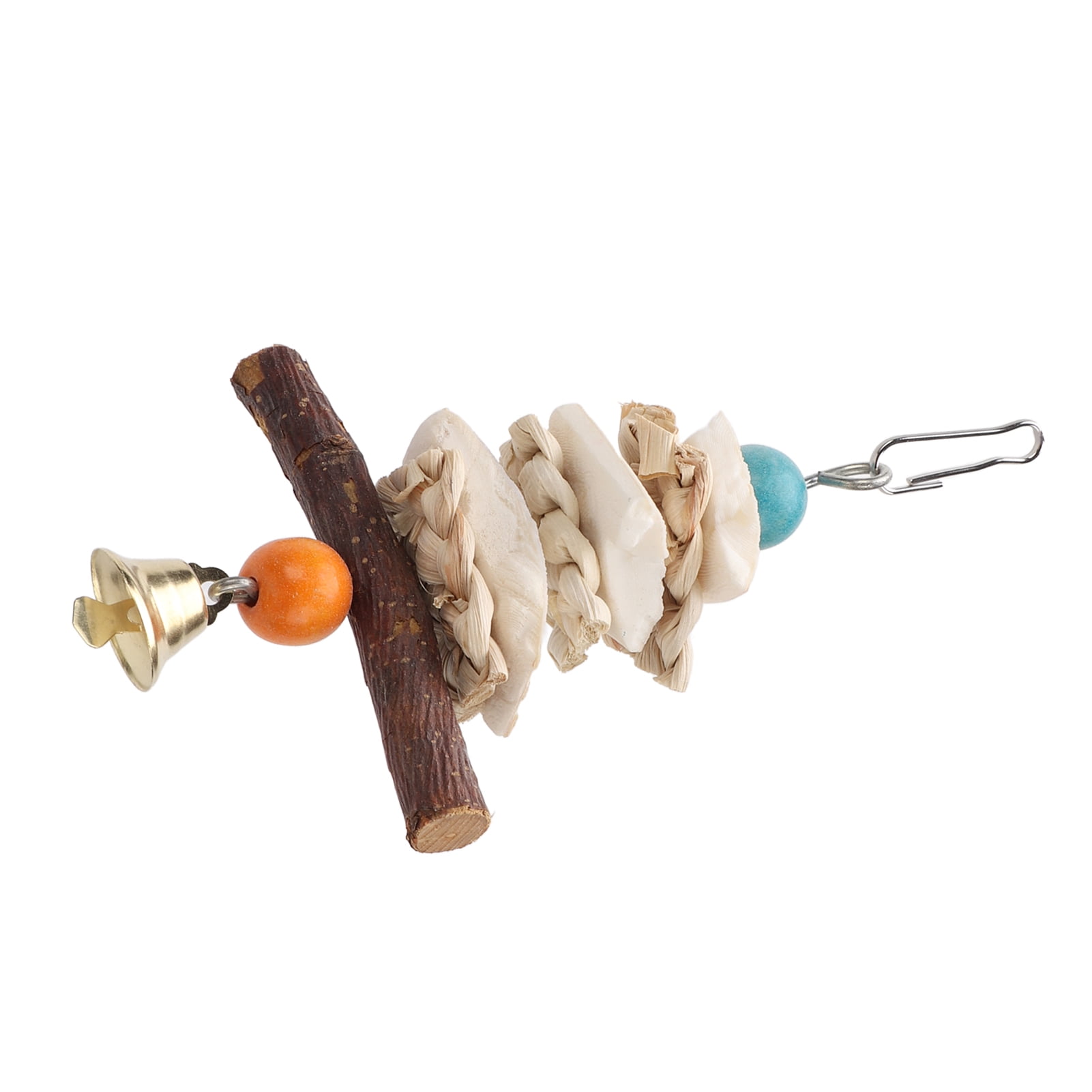
African Grey Parrots are particularly prone to calcium deficiency.
Ways to provide calcium include:
- Cuttlebone
- Mineral blocks
- Dark leafy greens
Calcium is essential for bone health, nerve function, and muscle activity.
Common Feeding Mistakes
Feeding Only Seeds
Traditional parrot diets often rely heavily on seeds, but this diet is high in fat and lacking in nutrients.
Long-term effects may include:
- Obesity
- Vitamin deficiencies
- Poor feather condition
Too Many Treats
Too many nuts or fruits can increase sugar and fat intake.
Treats should be used mainly for training and interaction.
FAQ
How much should an African Grey Parrot eat per day?
An adult African Grey typically eats about 50–70 grams of food per day, depending on body weight and activity level.
Can African Grey Parrots eat rice?
Yes.
Small amounts of plain, unsalted rice are safe for parrots.
Can African Grey Parrots drink milk?
It is not recommended.
Most birds cannot digest lactose well.
Do African Grey Parrots need vitamin supplements?
If the diet is based on high-quality pellets and fresh foods, additional supplements are usually unnecessary.