
Many parrot owners have experienced this:
“I give my parrot fruits and vegetables—so why doesn’t it seem very energetic?”
Most of the time, the issue isn’t whether fresh foods are offered, but
👉 whether those foods are actually helping the body.
The following foods aren’t just safe.
They’re the kind that, when fed regularly and rotated properly, can make a real difference over time.
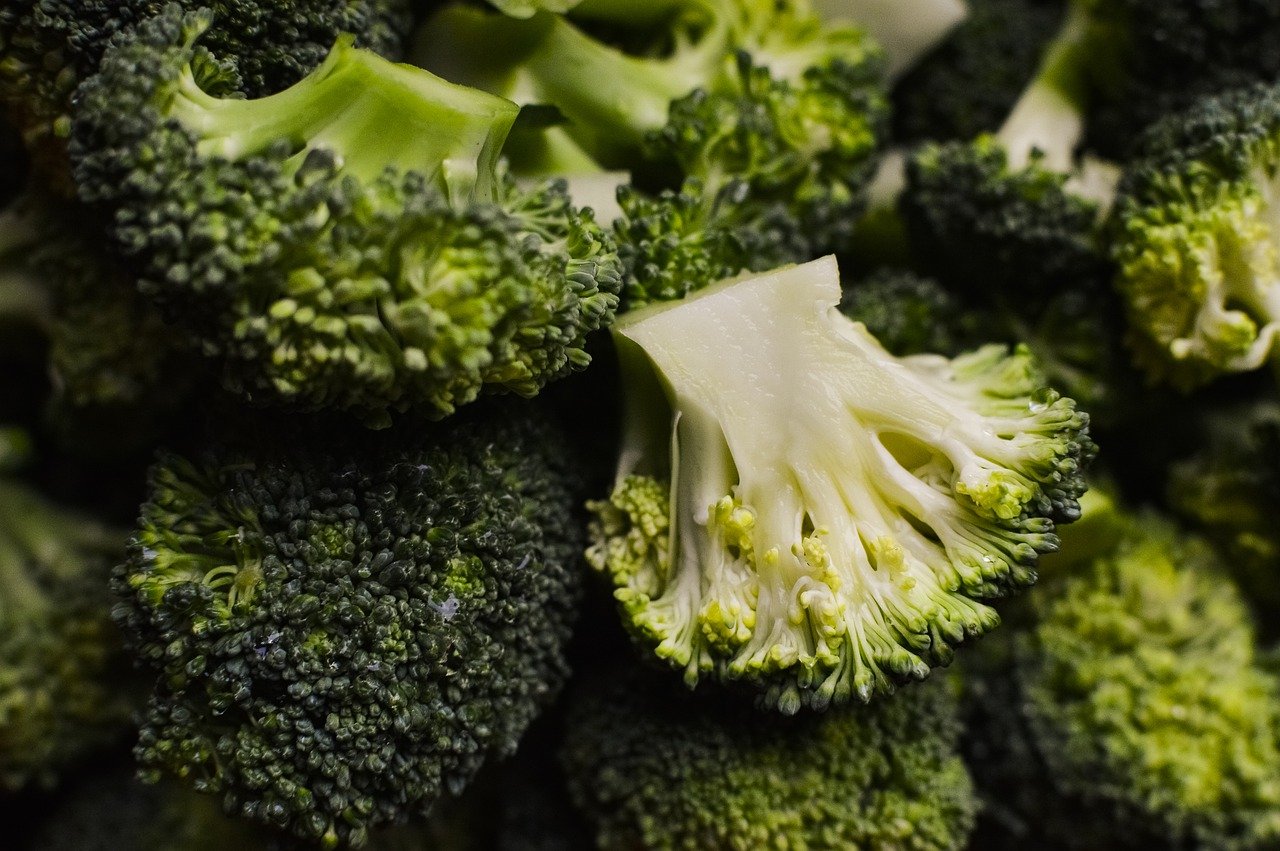
🥇 Broccoli
Why it’s good:
- Supports immune function
- Helps feathers grow back healthier during molting
- Rich in vitamins A, C, and K
May help prevent:
- Weak molting periods
- Frequent minor illnesses
- Low energy levels
Can be fed raw or lightly steamed. Both florets and stems are edible, and many parrots enjoy chewing them.
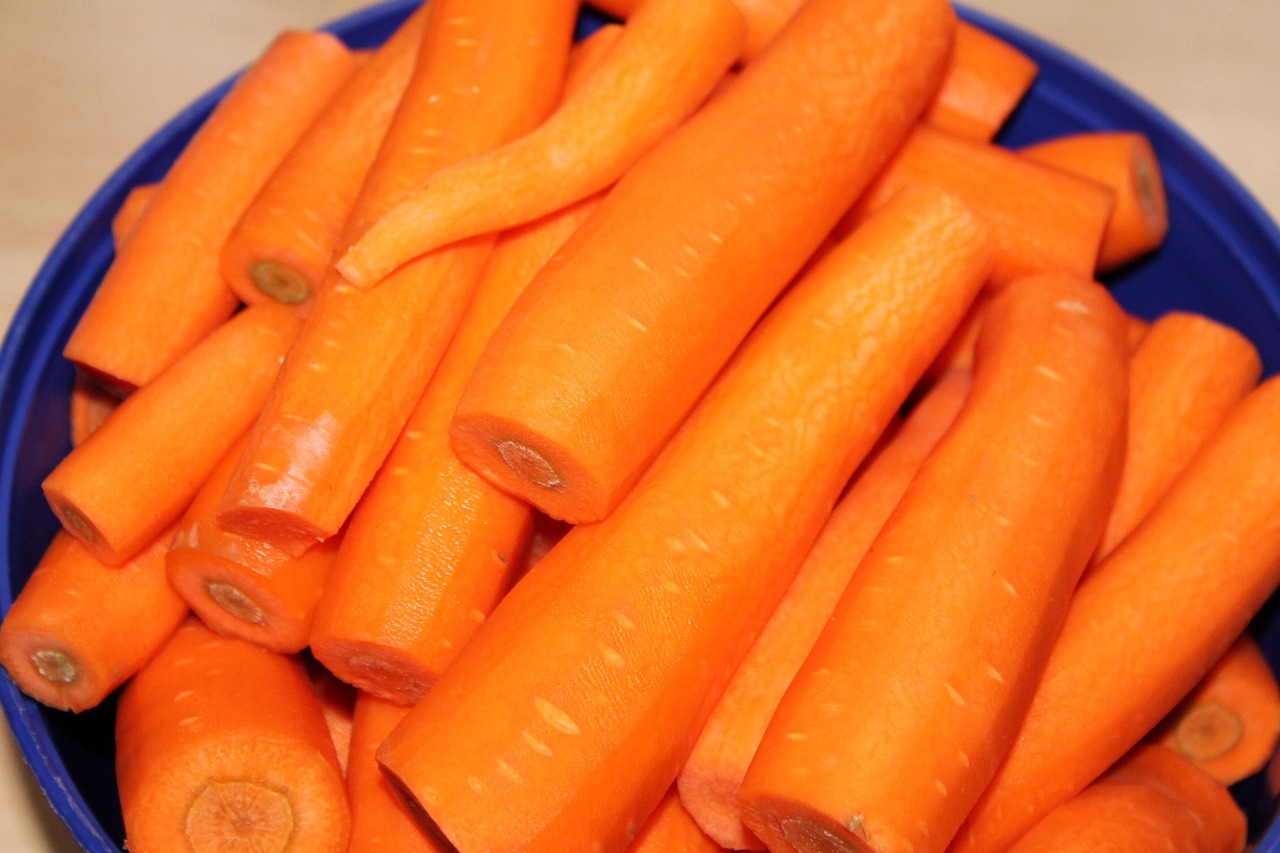
🥈 Carrots
Why it’s good:
- High in beta-carotene (vitamin A precursor)
- Supports eyesight and skin health
- Improves feather color and texture
May help prevent:
- Dull or brittle feathers
- Respiratory discomfort
- Vitamin A deficiency
Serve raw or cooked. Cut into strips for easier chewing.
🥉 Bell Peppers
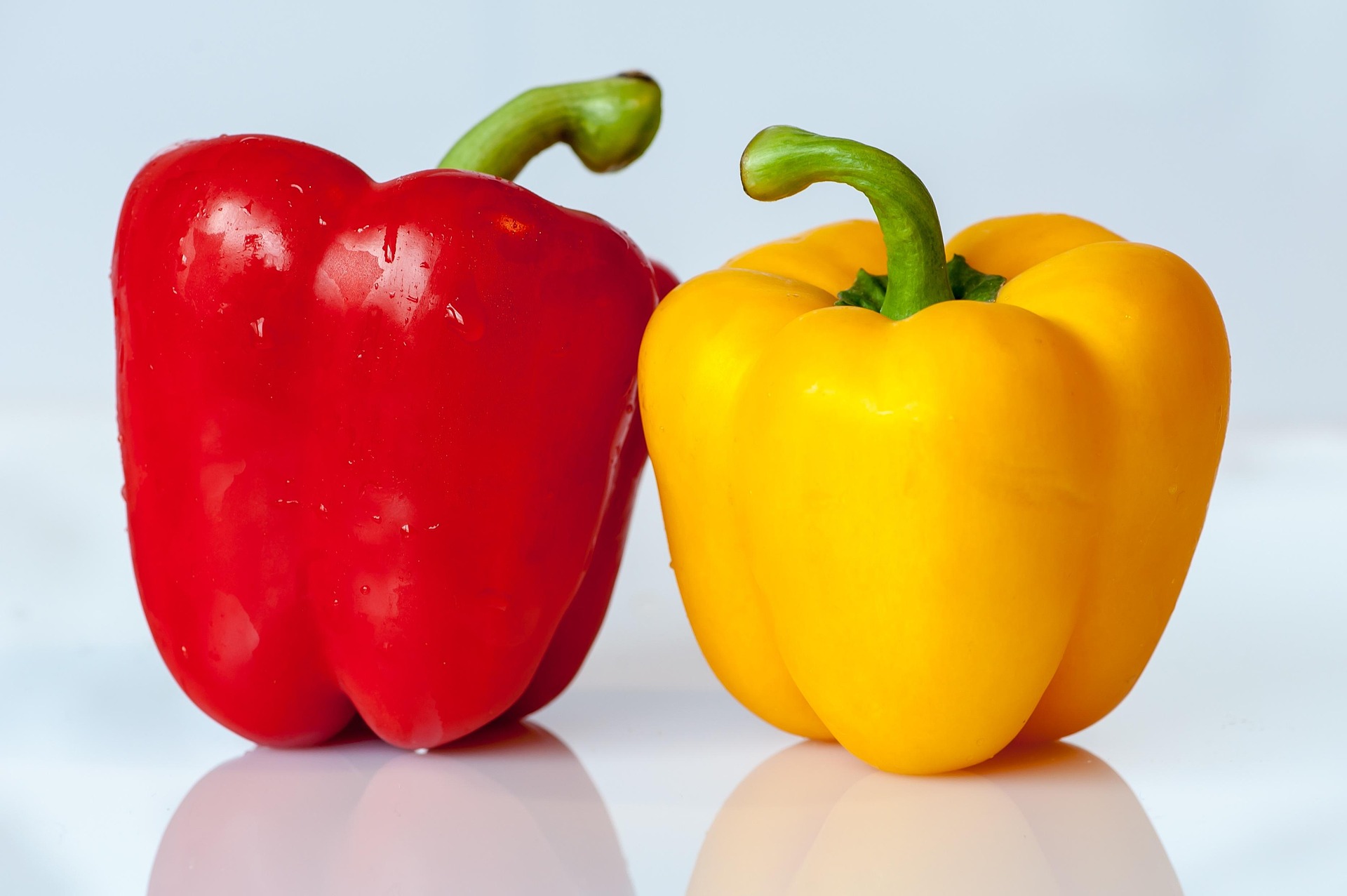
Why it’s good:
- Very high in vitamin C
- Helps parrots cope with stress
- Supports immune stability
May help prevent:
- Frequent illness
- Stress-related lethargy
- Poor adaptation to new environments
Red bell peppers are the most nutritious. Seeds are safe to eat.
4️⃣ Kale
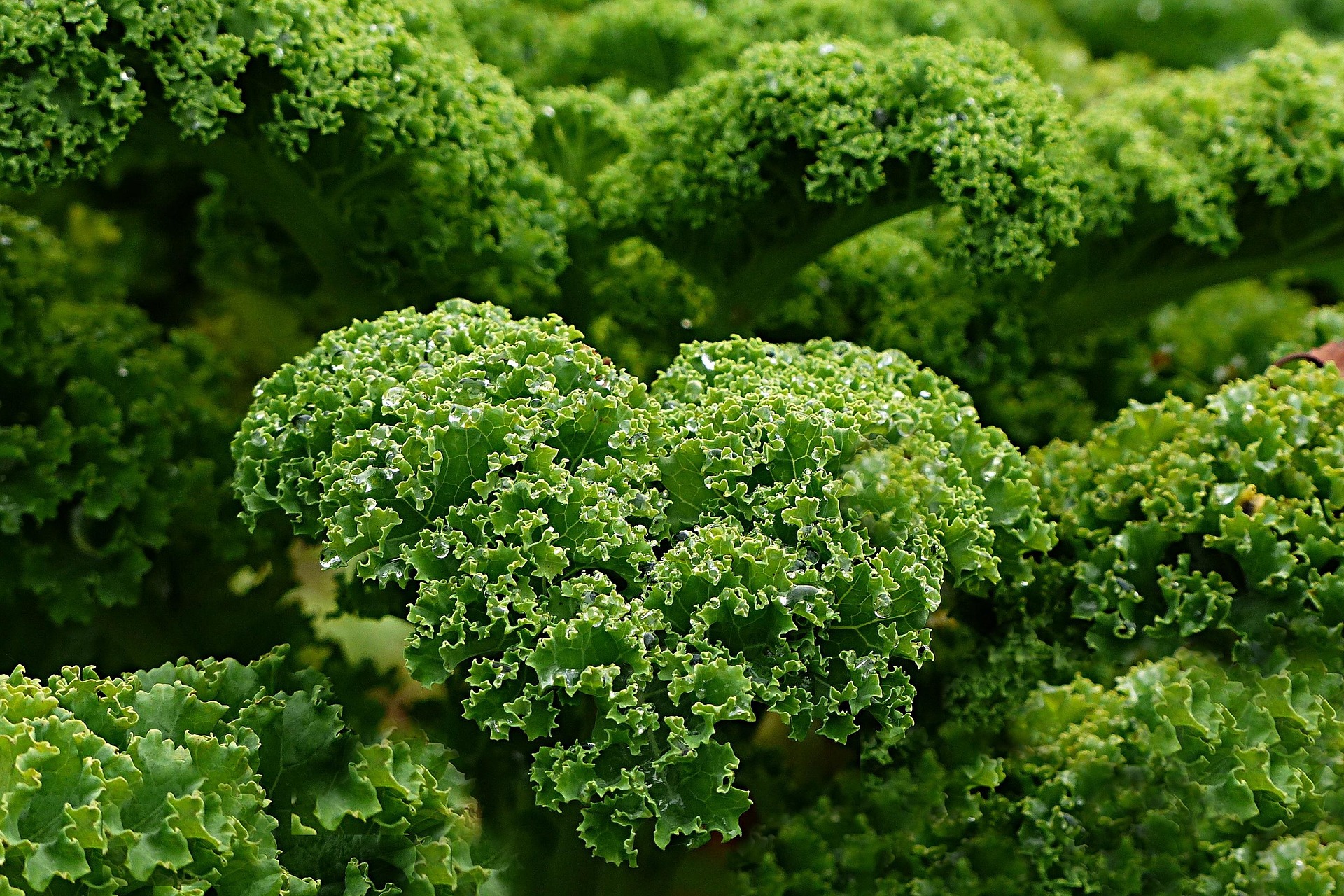
Why it’s good:
- High calcium content for bones and beak
- Rich in antioxidants
- Suitable for regular feeding
May help prevent:
- Calcium deficiency
- Beak growth issues
- Long-term nutritional imbalance
Rotate with other leafy greens for best results.
5️⃣ Pumpkin
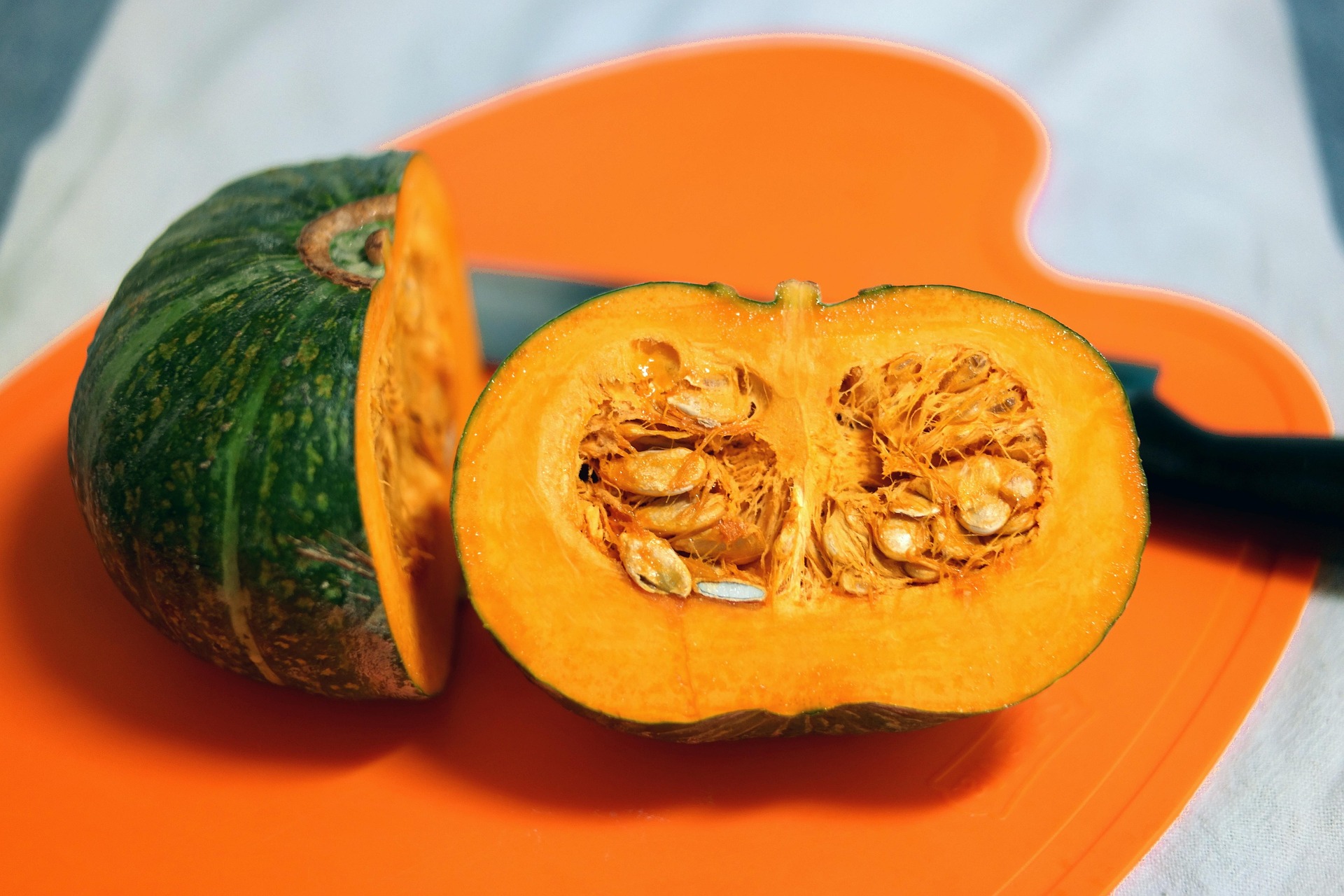
Why it’s good:
- High in dietary fiber
- Gentle on the digestive system
- Helps keep droppings regular
May help prevent:
- Digestive irregularities
- Appetite fluctuations
- Mild gut discomfort
Cooked pumpkin is easier to digest. Seeds can be fed in small amounts.
6️⃣ Blueberries
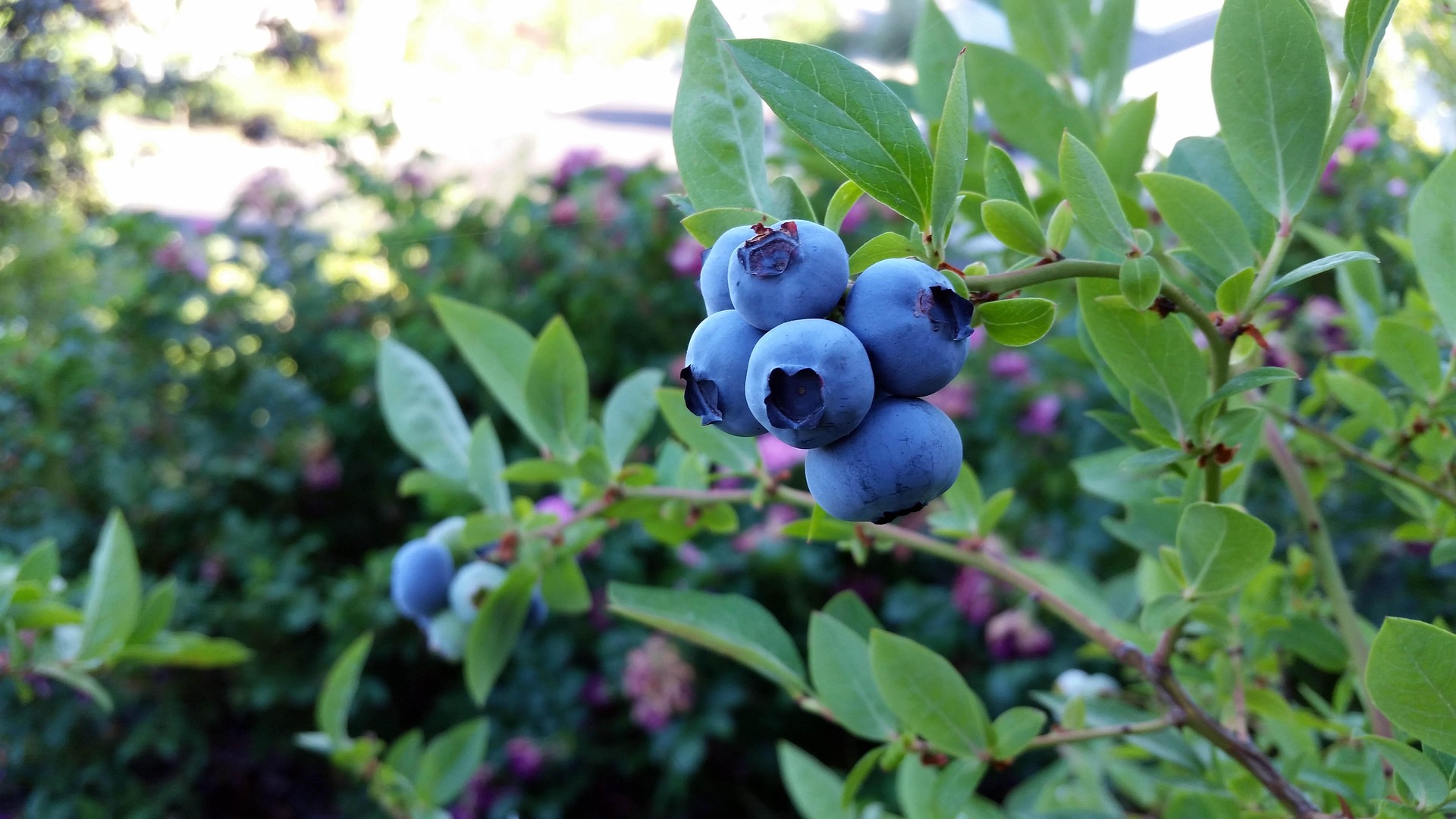
Why it’s good:
- Strong antioxidant properties
- Supports cellular health
- Especially beneficial for older parrots
May help prevent:
- Chronic inflammation
- Age-related energy decline
- Oxidative stress
Best offered as an occasional treat.
7️⃣ Apples (Seeds Removed)
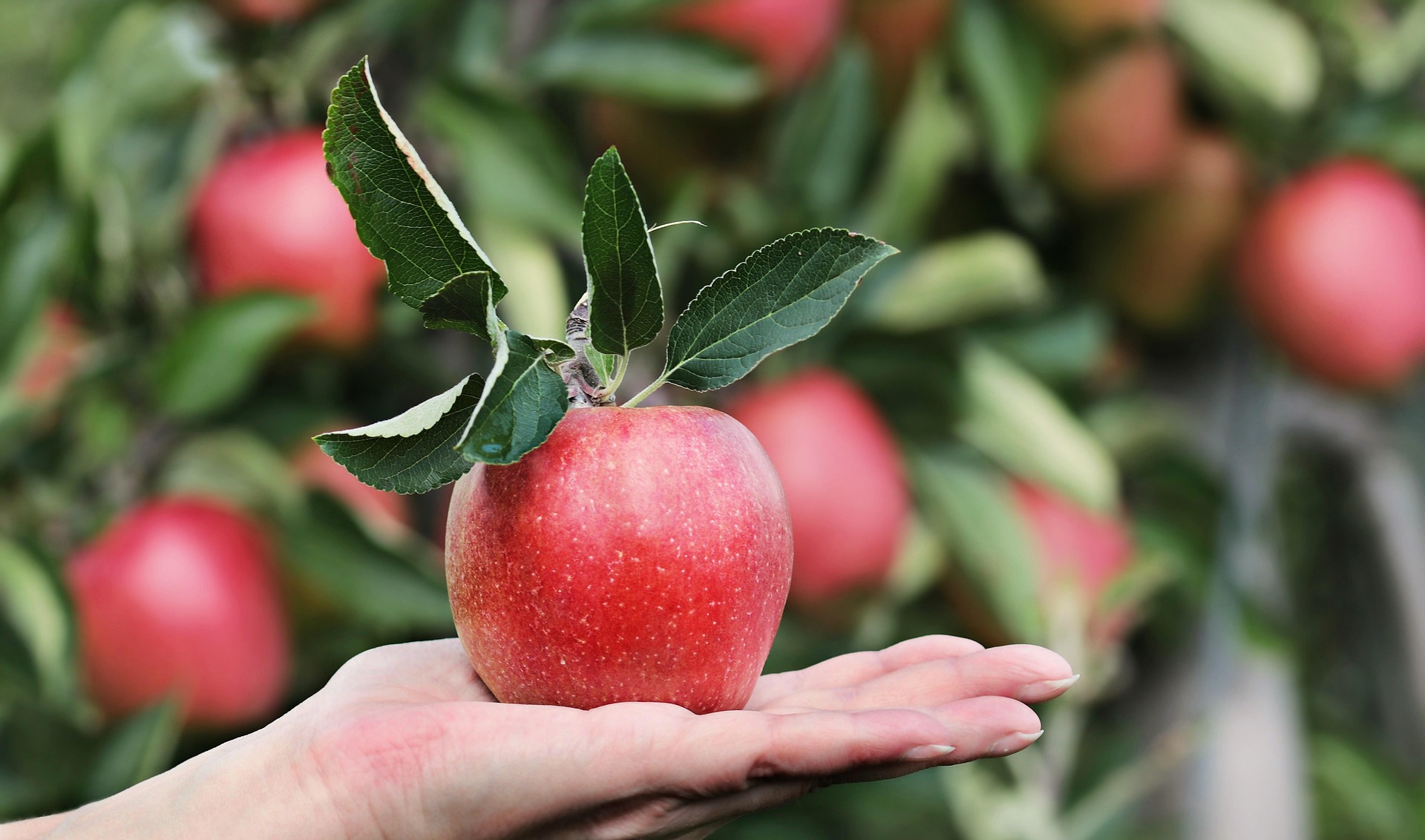
Why it’s good:
- Provides dietary fiber
- Supports digestion
- Highly accepted by most parrots
May help prevent:
- Mild constipation
- Irregular bowel movements
Always remove seeds completely, as they are toxic.
8️⃣ Mango
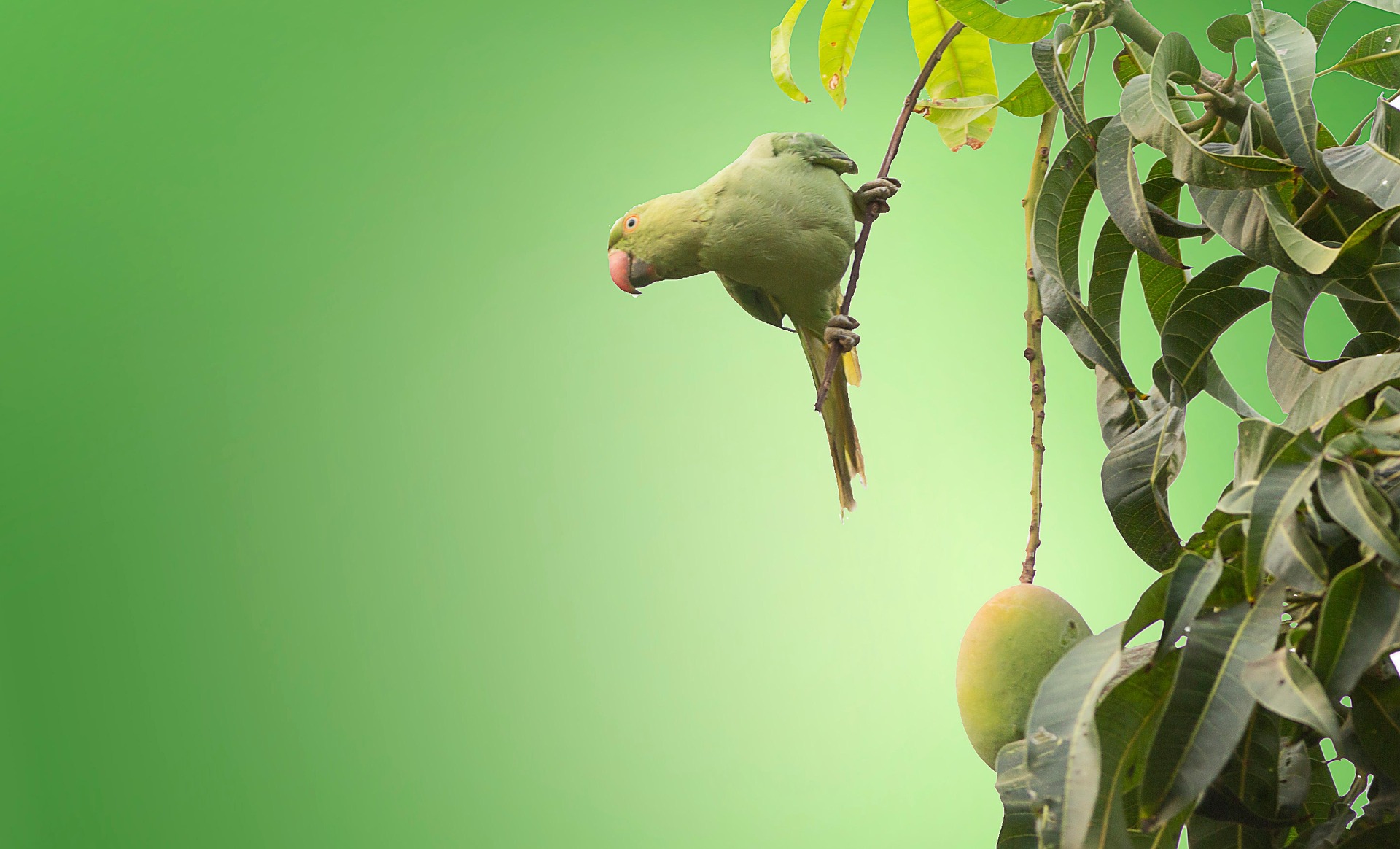
Why it’s good:
- Rich in vitamins A and C
- Supports skin and feather health
- Very appealing to most parrots
May help prevent:
- Dry feathers
- Poor skin condition
Because of the sugar content, feed in moderation.
9️⃣ Peas
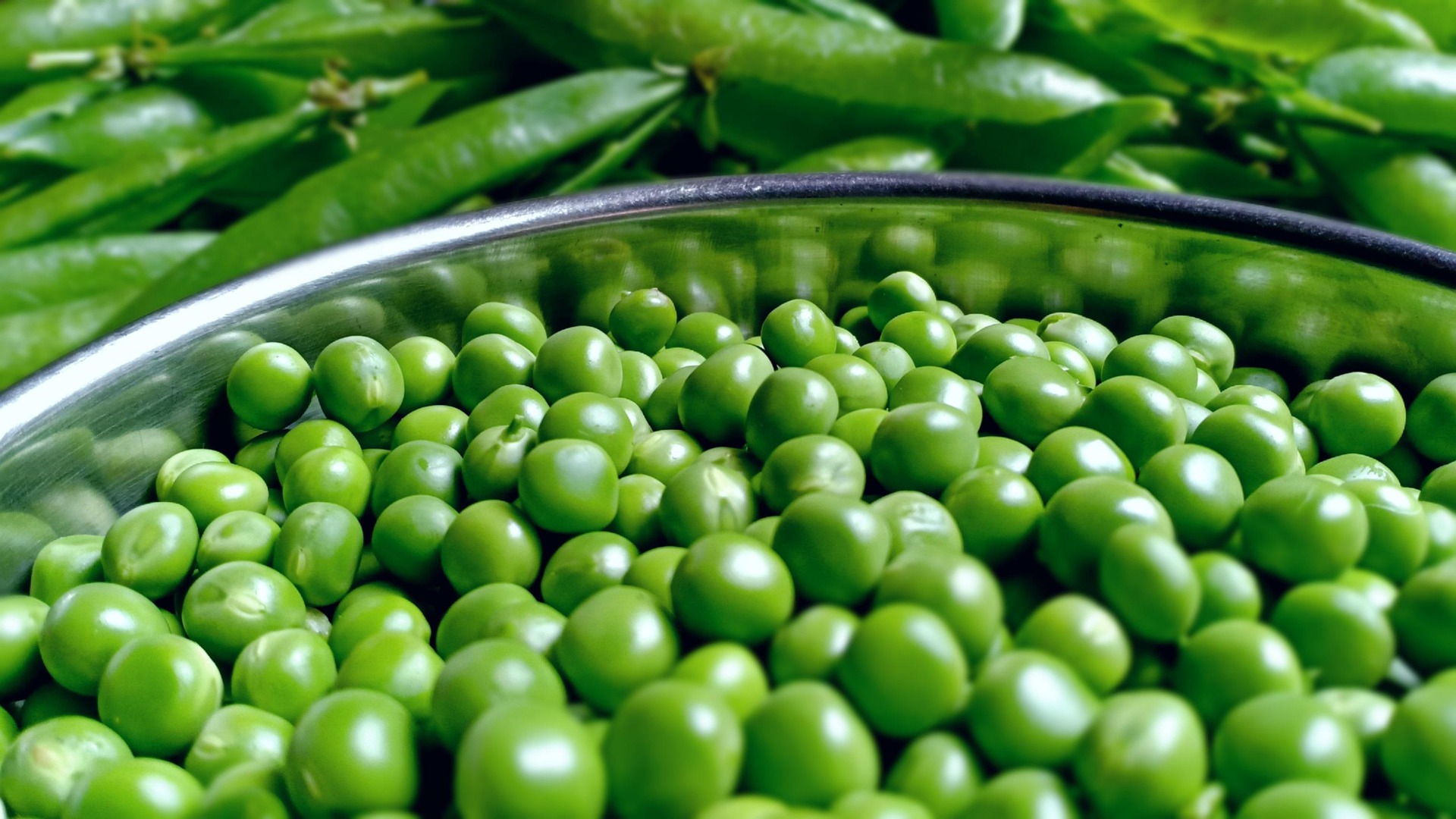
Why it’s good:
- Provides plant-based protein
- Supports muscle and energy levels
- Helpful during molting
May help prevent:
- Weight loss
- Low stamina
- Reduced activity
Can be fed raw or lightly cooked.
🔟 Sweet Potato
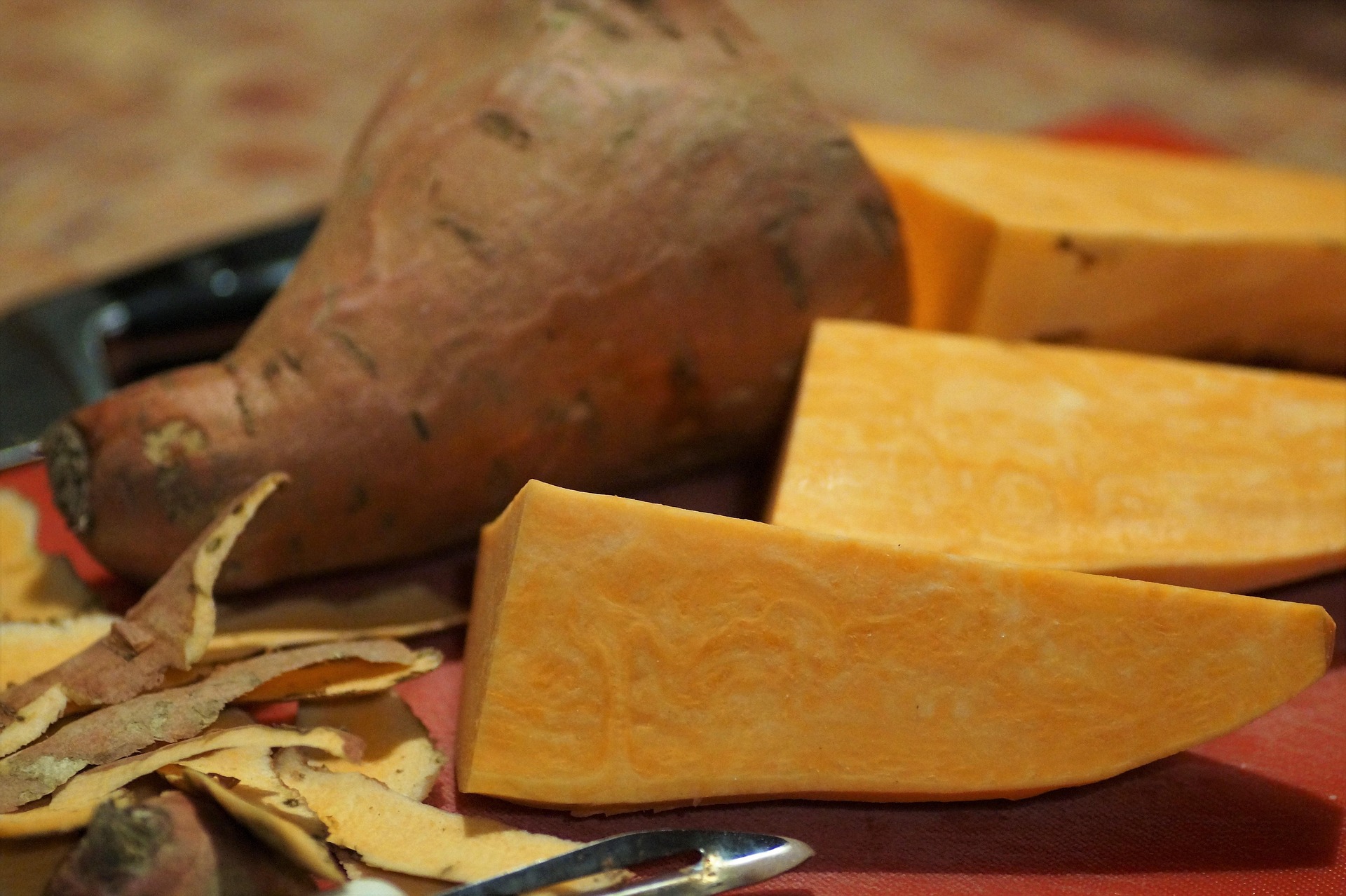
Why it’s good:
- Extremely rich in vitamin A
- Supports immune health
- Easy on digestion
May help prevent:
- Vitamin A deficiency
- Weakened immunity
Must always be cooked before feeding.