
For many busy cat owners, daily routines mean long hours away from home. While food is often carefully managed, water intake is easy to overlook.
But an important question remains:
Is your cat drinking enough water while you’re at work?
Many urinary or kidney-related issues in cats are first linked to long-term insufficient hydration.
Why Do Cats Naturally Drink So Little?
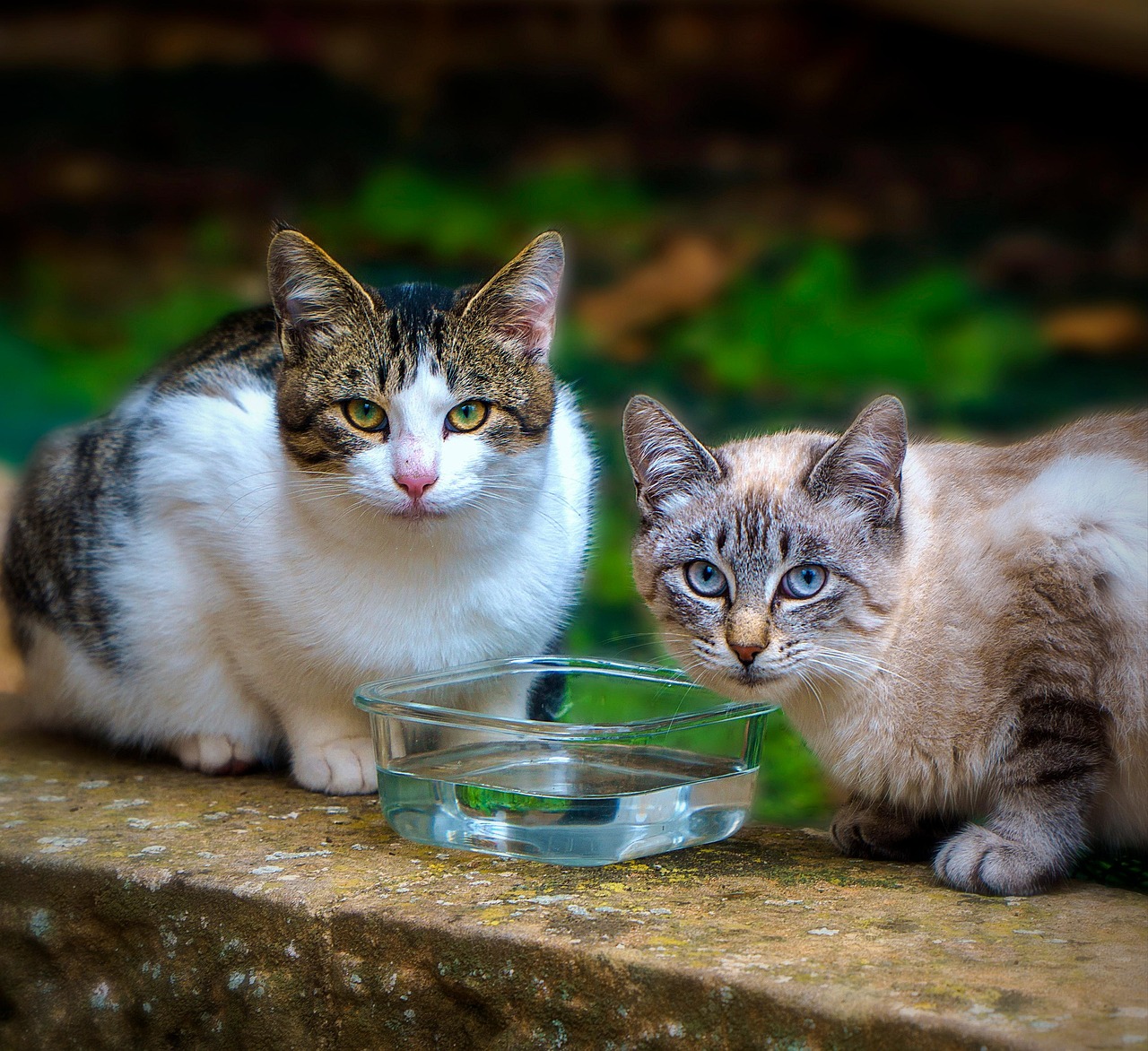
Cats evolved in dry environments, where most of their water intake came from prey. As a result, modern house cats often have a weak thirst drive.
Common factors that further reduce water intake include:
- Stale or contaminated water
- Bowls that touch the whiskers
- Noisy or high-traffic locations
- Water placed too close to the litter box
- Uncomfortable bowl materials
For owners who are away all day, these issues can go unnoticed.
What Are the Risks of Low Water Intake in Cats?
Chronic low water intake may increase the risk of:
- Concentrated urine and urinary strain
- Reduced urination frequency
- Urinary tract stones or inflammation
- Increased kidney workload in senior cats
⚠️ Sudden increases in drinking or urination may also indicate underlying illness and should be checked by a veterinarian.
How Much Water Does a Cat Need Each Day?
A healthy adult cat typically needs:
50–60 ml of water per kilogram of body weight per day
(including moisture from food)
A 4 kg cat, for example, needs about 200–240 ml daily. Cats fed primarily dry food often require more drinking water.
Practical Ways to Encourage Cats to Drink More Water
1️⃣ Provide Multiple Water Stations
Place bowls in quiet, separate areas around the home.
2️⃣ Add Moisture to Meals
Mix water into dry food or offer wet food regularly.
3️⃣ Adjust Bowl Material and Water Temperature
Ceramic, glass, or stainless steel bowls are often preferred.
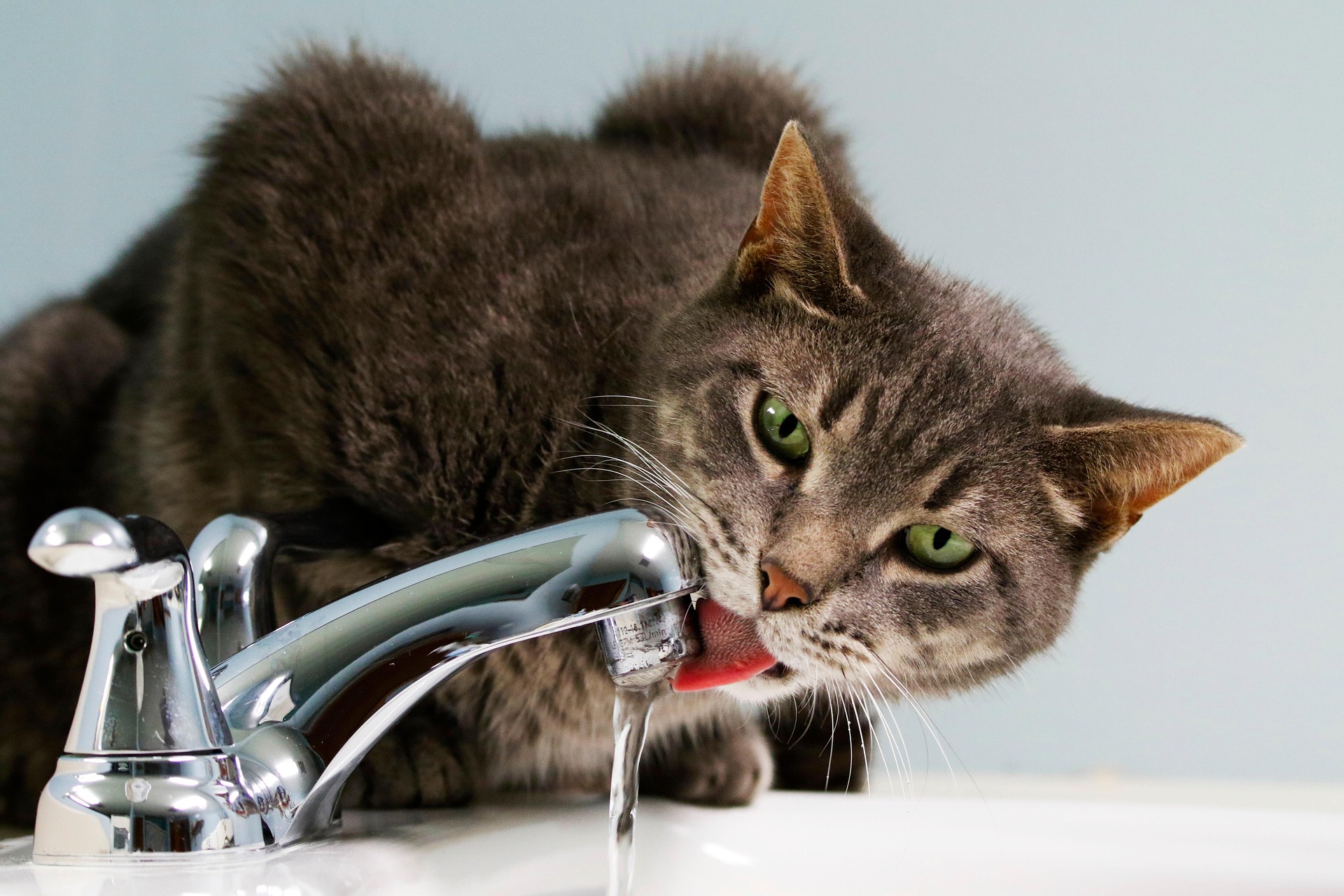
4️⃣ Consider Flowing Water Sources
Many cats are naturally attracted to moving water, which also stays fresher during the day.
What Busy Owners Should Consider When Choosing Water Devices
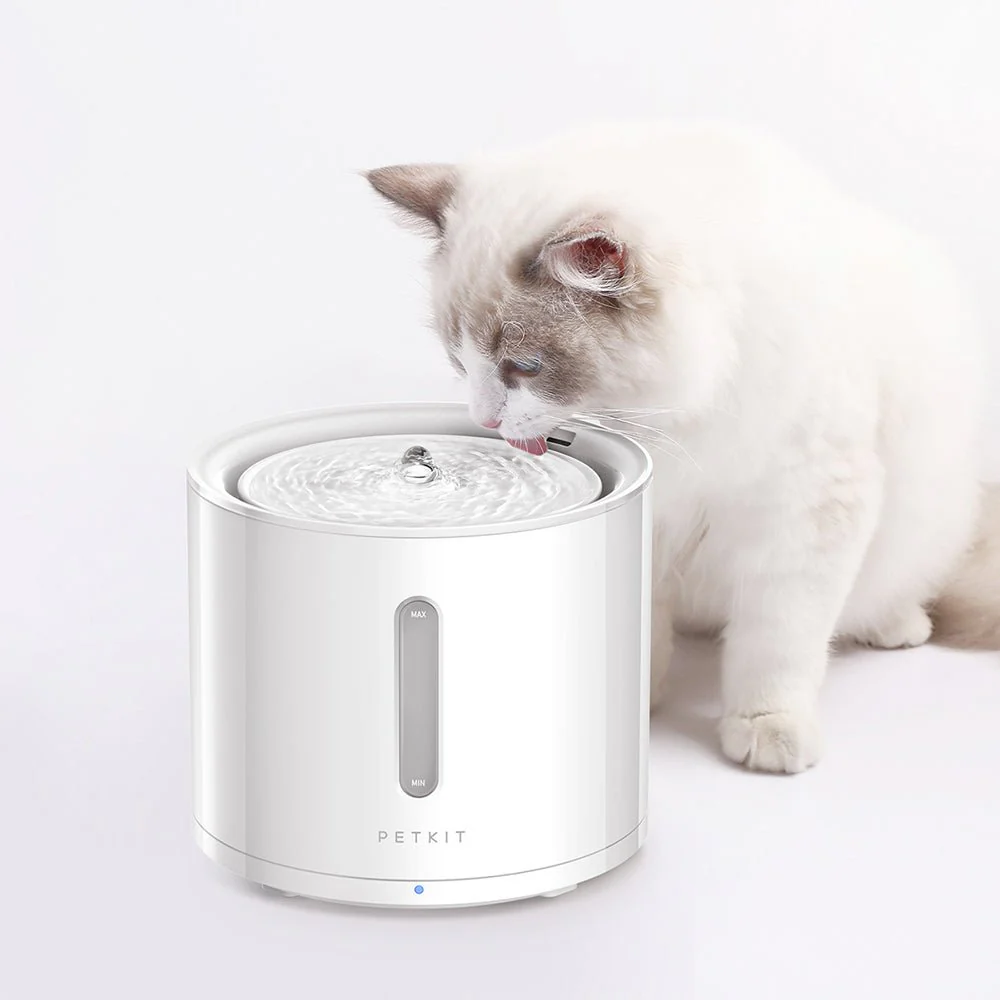
- Ease of cleaning
- Quiet operation, especially at night
- Stability during short absences
These factors often matter more than design alone.
Can Water Devices Replace Veterinary Care?
No.
Water devices help support healthy hydration habits but do not replace medical diagnosis or treatment. Any noticeable changes in drinking or urination should be evaluated by a veterinarian.
Conclusion: Hydration Is Daily Preventive Care
You don’t need to monitor your cat constantly—but you can create an environment where drinking enough water is easier. For busy owners, hydration management is one of the simplest long-term health investments you can make.