
Mats are clumps of tangled fur that form when loose hair becomes intertwined. They are most common in long-haired cats and long-haired dogs. Once mats develop, the coat not only looks untidy but also feels rough to the touch. In this article, we’ll explain why a cat’s fur becomes matted and how to deal with it.
Causes of Matted Fur
One of the main reasons cats develop mats is heavy shedding during seasonal coat changes. Sometimes pets are unable to groom themselves thoroughly during this period and need assistance from their owners. Other common causes include insufficient grooming, health issues, and an unbalanced diet. Let’s look at these in more detail.
Lack of Proper Grooming
Cats are naturally very clean animals. They usually manage their own coat care and may spend 3–4 hours a day grooming themselves. However, in certain situations, they need help:
- During seasonal shedding;
- When they cannot reach certain areas of their body;
- When their coat is excessively long.
Fur is more likely to become matted if:
-
Brushing is irregular or not done at all. A cat’s coat is constantly renewing itself: old hair falls out while new hair grows. If brushing is neglected, loose hair becomes tangled in the new coat and forms mats. Use combs, brushes, and other grooming tools designed for pets, which are available at veterinary clinics or pet supply stores. Long-haired cats should be brushed daily, while short-haired cats should be brushed 2–3 times per week. Without proper grooming, shed hair accumulates and forms tangles.
-
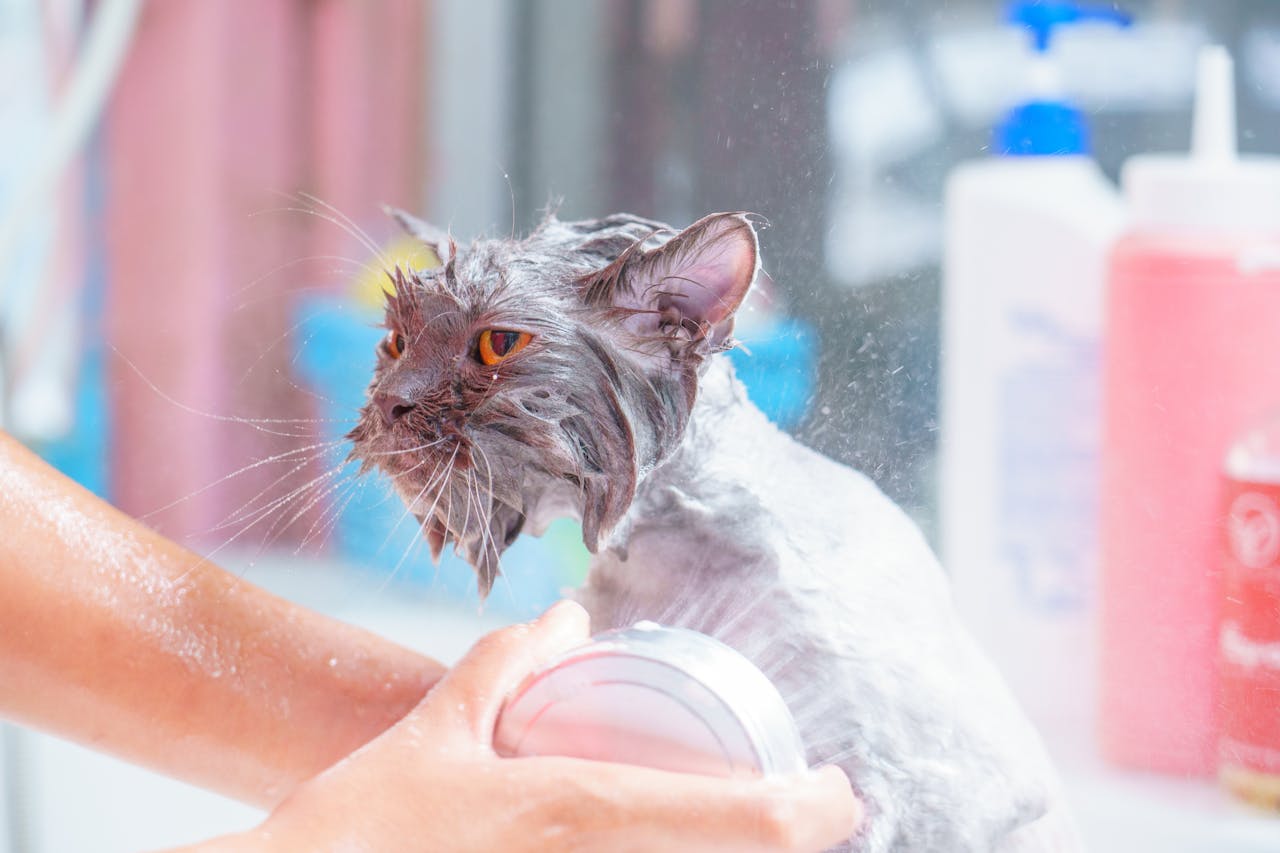
Bathing frequency recommendations are ignored. Some owners believe cats never need bathing because they groom themselves. However, certain breeds benefit from being bathed several times a year. Consult your veterinarian about the appropriate bathing schedule and follow their advice. At the same time, avoid bathing too frequently, as this can disrupt the skin’s natural oil balance and lead to dandruff or other skin problems.
-
Bathing is done incorrectly. Using unsuitable shampoos can dry out the coat and make it more prone to tangling. Apply shampoo in the direction of hair growth, massage gently, and rinse thoroughly. When towel-drying, use gentle motions to avoid worsening existing tangles.
Grooming recommendations should be adjusted according to breed and coat length. You may also consult a professional groomer for guidance.
Health Issues
Medical conditions can reduce a cat’s ability to groom itself and may also directly affect coat quality. Fur can become brittle, shedding may increase, and the cat may be unable to maintain proper grooming.
The following health problems may contribute to mat formation:
-
Dental and oral diseases. Grooming may become painful, causing the cat to reduce licking. Bad breath, bleeding gums, and gum inflammation are common signs.
-
Joint problems. More common in cats over 7 years old. Bending to groom certain areas becomes difficult.
-
Skin conditions. Ringworm, dermatitis, and bacterial infections disrupt the natural oil balance of the skin and coat, making fur dull, thin, and more prone to matting.
-
Gastrointestinal disorders. Poor nutrient absorption negatively affects coat health.
-
Parasites. Internal and external parasites release toxins that impact multiple organs, including the skin and coat.
-
Chronic stress. A stressed cat may reduce or stop grooming behavior.
If mats frequently develop despite proper grooming, consult a veterinarian for a health check.
Improper Diet
A balanced diet is the foundation of a healthy, shiny coat. A cat’s nutrition should include:
- High-quality protein — the main building block of fur.
- Omega-3 and Omega-6 polyunsaturated fatty acids — support healthy oil production, prevent dry skin, and reduce dandruff.
- Vitamins A, E, and B-complex vitamins — promote normal tissue growth and protect against oxidative damage.
- Zinc and copper — support hair growth and reduce excessive shedding.
Choose commercial cat food that meets high-quality standards. Select formulas appropriate for your cat’s breed, coat length, and health condition. Long-haired cats often benefit from hairball-control formulas, as they ingest loose fur while grooming.
Why Kittens Also Develop Mats
The causes of matting in kittens are similar to those in adult cats. Common reasons include:
- Insufficient grooming. Kittens have not fully learned self-grooming skills and require regular brushing from an early age.
- Poor nutrition. Rescued kittens from outdoor environments may suffer from vitamin and mineral deficiencies affecting coat health.
- Stress. Moving to a new home and separation from the mother cat can cause emotional stress.
- Parasites. Kittens that have not been dewormed may experience coat problems due to parasitic toxins.
If matting is accompanied by poor coat quality, consult a veterinarian promptly.
Risks of Matted Fur
Mats form when shed hair becomes entangled with new growth. They interfere with healthy hair development and reduce overall coat quality. Potential problems include:
- Skin inflammation due to poor air circulation beneath the mats.
- Scratches or injuries when the cat tries to remove mats itself or during play.
- Pain and discomfort caused by tight pulling on the skin.
- A breeding ground for bacteria and parasites.
The larger and tighter the mats, the more painful removal can be. If grooming becomes painful, a cat may develop fear or resistance toward brushing. Regular grooming is therefore essential.
How to Remove Mats
The appropriate method depends on the size, tightness, and number of mats.
Gently Separating by Hand
Suitable for tangles that are not yet tightly compacted. Calm the cat first, then gently separate the fur with your fingers without pulling.
After loosening the mat, brush the area thoroughly and apply an anti-tangle spray if needed.
Brushing Them Out
Use a pet grooming brush for smaller, looser mats. Before brushing, hold the base of the mat close to the skin to reduce pulling discomfort. Use short, gentle strokes to divide the mat into smaller sections and brush them out separately. A conditioning spray may help.
Cutting with Scissors
Always attempt brushing first. Do not pull forcefully, as this causes pain. If brushing fails, cutting may be necessary.
For larger mats, carefully cut them lengthwise and attempt to separate them further. If this is not possible, remove the mat entirely. Ensure there is sufficient space between the mat and the skin to avoid injury.
Using a Dematting Tool
A dematting comb is a specialized grooming tool that looks like a comb but has blades designed to safely cut through mats. Choose a tool appropriate for your cat’s coat length.
Full Shaving
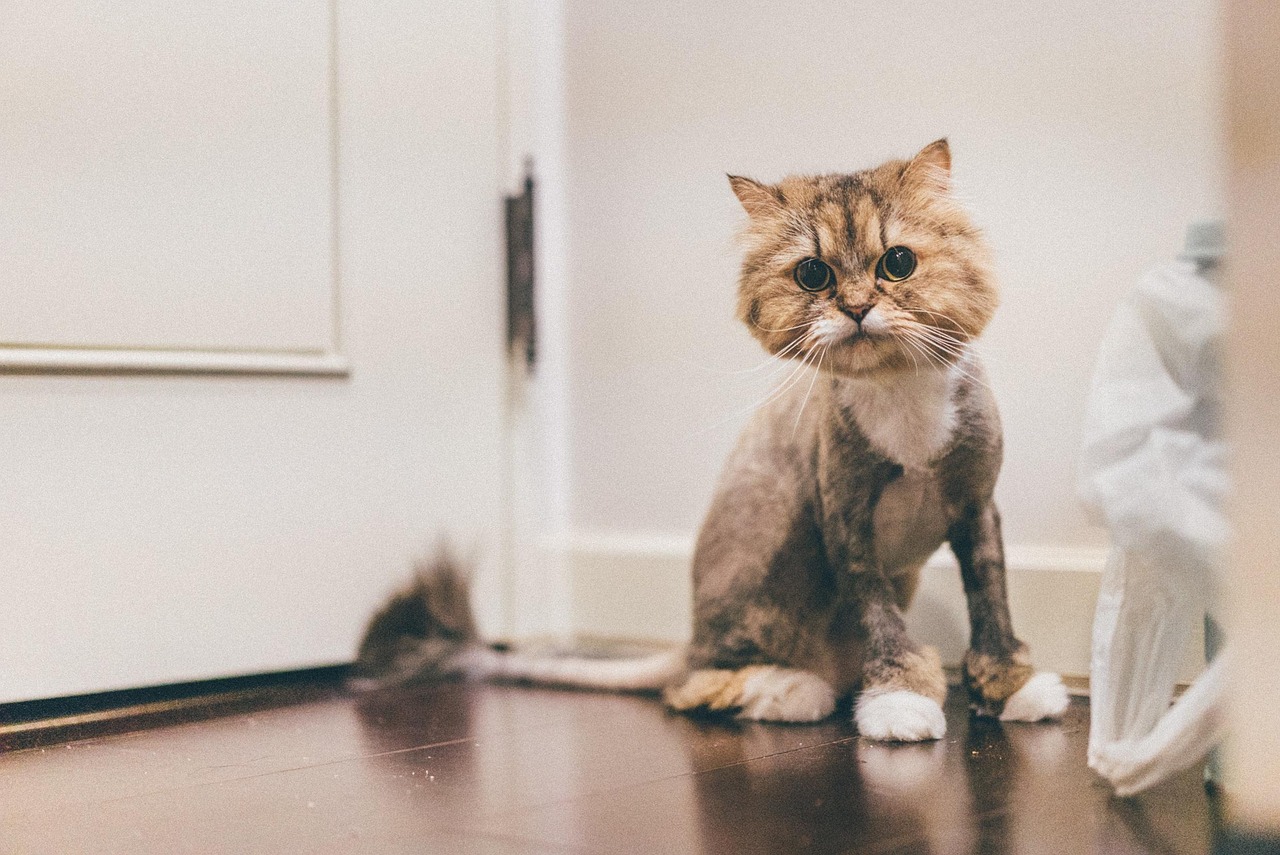
If all other methods fail or the situation is severe, full shaving may be considered. This decision is typically made by a veterinarian and performed at a veterinary clinic or professional grooming facility.
Prevention Tips
Using scissors or dematting tools can be stressful for cats. The following steps help prevent mats:
- Monitor your cat’s health, schedule regular check-ups, vaccinations, and parasite prevention.
- Assist with brushing, especially during spring and autumn shedding seasons.
- Use professional grooming tools and coat-care products.
- Follow breed-specific grooming requirements and consult a professional groomer if needed.
- Clean dirty fur promptly; dry shampoos can be helpful.
- Use anti-tangle sprays or conditioning products.
- Provide a balanced diet appropriate for your cat’s age. After age 7, consider switching to a senior formula.
Preventing mats is not difficult—it simply requires consistent attention during daily grooming, particularly during shedding seasons. Proper coat care not only keeps your cat looking neat but also supports overall health.