
Cats are among the earliest domesticated animals. They have long been skilled hunters and loyal companions, often exposed to human food in the household. However, cats are obligate carnivores, meaning their bodies are designed to rely primarily on animal-based protein.
Veterinarians and animal nutritionists agree that a cat’s diet should balance natural biological needs with evidence-based feeding practices. Below, we explain which foods should never be given to cats and which may be acceptable in limited amounts.
Common Mistakes When Planning a Cat’s Daily Diet
A cat’s diet may consist mainly of commercial cat food or, under professional guidance, a carefully formulated homemade diet. In either case, improper balance can lead to health problems.
Natural Feeding
Cats and dogs have significantly different digestive systems and nutritional requirements. Cats require a much higher intake of animal protein.
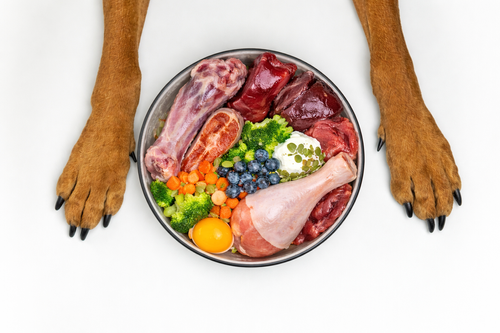
In homemade diets, the foundation should be animal-based foods, with limited and carefully selected additions such as certain grains or vegetables. A commonly referenced guideline is:
- About 70% meat
- About 30% other ingredients (only if appropriate for the individual cat)
General nutritional references (should be adjusted individually):
- Daily energy needs: approximately 250–300 kcal
- Protein: about 6.3 g per kg of body weight
- Fat: about 2.25 g per kg of body weight
- Carbohydrates: minimal, roughly 3 g per kg of body weight
Always consult a veterinarian before implementing a homemade diet.
Basic Feeding Mistakes
1. Feeding Only Meat or Fish
An exclusively meat-based diet may cause long-term nutrient imbalances. Excess protein can place strain on the urinary system and kidneys, particularly in neutered or senior cats. Meat alone does not provide all essential vitamins and minerals.
2. Lack of Variety
Feeding only one type of meat (e.g., only chicken or only beef) can lead to micronutrient deficiencies. Rotating protein sources helps improve nutritional balance.
3. Poor-Quality Ingredients
Low-quality or questionable meat increases digestive stress and may cause food poisoning or diarrhea. Cats with a history of urinary issues are especially vulnerable.
4. Replacing Animal Protein with Plant Protein
Cats have limited ability to utilize plant protein efficiently. Long-term substitution may result in deficiencies in vitamins A, B, D, and taurine, potentially affecting the heart, skin, nervous system, and immune function.
5. Excess Plant-Based Foods
High carbohydrate intake may cause digestive upset or gastrointestinal inflammation.
6. Excess Organ Meat
Too much organ meat disrupts protein and fat balance. A recommended ratio is 70:30 or 75:25 (muscle meat to organs).
7. Too Much Fish
Fish should not be fed frequently—generally no more than twice per week. Fatty fish should be limited.
Raw fish may contain bacteria or parasites. Freezing reduces risk but does not eliminate it entirely.
Dry Food Feeding
When feeding dry kibble as the primary diet, you typically do not need to calculate nutrients manually—provided you follow the manufacturer’s feeding guidelines.
Common Mistakes with Dry Food
- Overfeeding: Free-feeding often leads to obesity, especially in indoor cats with low activity levels.
- Mixing kibble with homemade food in the same bowl: This can cause digestive imbalance.
- Mixing different brands: Formulas vary widely and may trigger allergies or stomach upset.
- Leaving food out too long: Cats benefit from smaller, controlled meals.
- Sudden diet changes: Abrupt switching may cause vomiting or diarrhea.
- Choosing the wrong formula: Select food appropriate for age, health status, and neuter/spay condition.
Foods That Are Toxic to Cats
The following foods should never be given to cats:
- Whole milk (many cats are lactose intolerant)
- Bones (choking or intestinal injury risk)
- Chocolate (contains theobromine, toxic to cats)
- Coffee and tea (caffeine is harmful)
- Onions and garlic (cause anemia; toxic raw or cooked)
- Grapes and raisins (may cause kidney damage)
- Raw yeast dough
- Raw eggs
- Alcohol
- Certain nuts (some varieties are toxic)
- Canned foods intended for humans
- Freshwater fish
- Processed meats (sausages, hot dogs, deli meats)
- High-fat meats (such as pork and lamb)
- Sweets and foods containing artificial sweeteners
- Wild mushrooms
Foods That Should Be Limited
The following foods are not highly toxic but should be given rarely and in small amounts:
- Cooked potatoes (raw potatoes are toxic)
- Broccoli
- Whole-grain bread and pasta
- Avocado (peeled, pitted, very small amounts only)
- Low-fat fermented dairy products
- Apples (peeled and seeded)
- Cooked eggs (no more than two per week)
Toxic and Non-Toxic Plants
Cats may chew on houseplants, which can pose serious risks.
Dangerous Plants
Azalea, Amaryllis, Anthurium, English Ivy, Begonia, Geranium, Hyacinth, Gladiolus, Hydrangea, Dieffenbachia, Calla Lily, Lily of the Valley, Daffodil, Peace Lily, Chrysanthemum, Cyclamen, Spurge.
Generally Considered Neutral
Aloe (in very limited exposure), Asparagus, Gardenia, Jasmine, Kalanchoe, Lilac, African Violet, Philodendron (note: some varieties may still irritate), Ficus, Spider Plant, Schefflera.
Always verify specific plant species, as toxicity can vary.
What Kittens Should Not Eat
The same toxic food list applies to kittens.
If unsure about the appropriate food, consult a breeder or veterinarian.
Exception: During early weaning, some kittens may tolerate small amounts of fermented dairy products, but moderation is essential.
How to Prevent Cats from Eating Unsafe Foods
Follow these five essential rules:
- Do not feed your cat from the dining table—and do not allow guests to do so.
- Keep cats away during food preparation.
- Secure trash bins tightly.
- Store food out of reach.
- Restrict access to rooms with toxic plants.
If restriction is not possible, consider pet deterrent sprays or placing citrus peels near plants, as many cats dislike citrus scents.
Providing a balanced, species-appropriate diet is one of the most important steps in protecting your cat’s long-term health. When in doubt, always consult a qualified veterinarian before introducing new foods.