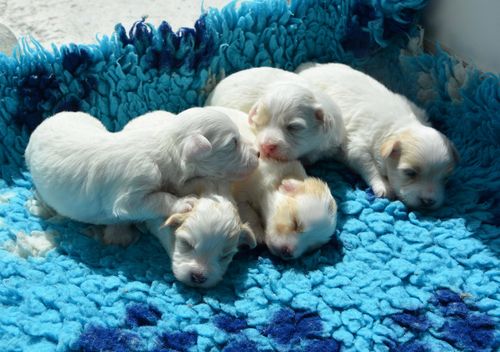
The Akita is a bold and versatile breed that originated in Japan, specifically in the mountainous regions of Northern Honshu. Named after the Akita Prefecture, the breed was initially developed for hunting game, such as bears, boars, and deer.
Energy Level
Natural energy and enthusiasm throughout the day.
Exercise Needs
Amount of physical activity required to stay healthy.
Playfulness
Willingness to play and engage in games.
Affection Level
Tendency to show affection toward humans.
Dog Friendliness
Friendliness and tolerance toward other dogs.
Pet Friendliness
How well this pet gets along with other animals.
Stranger Friendliness
Reaction toward unfamiliar people.
Ease of Training
How easy it is to train and teach commands.
Watchfulness
Alertness and tendency to notice surroundings.
Vocality
Tendency to bark, meow, or make other sounds.
Grooming Requirements
Level of grooming effort needed on a regular basis.
Heat Sensitivity
Sensitivity to hot weather conditions.
Cold Tolerance
Ability to withstand cold temperatures.
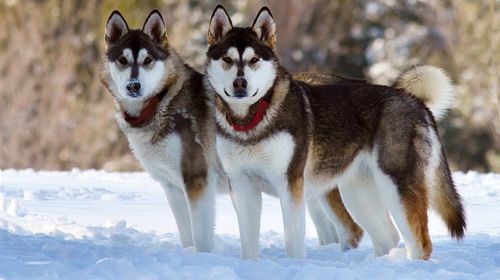
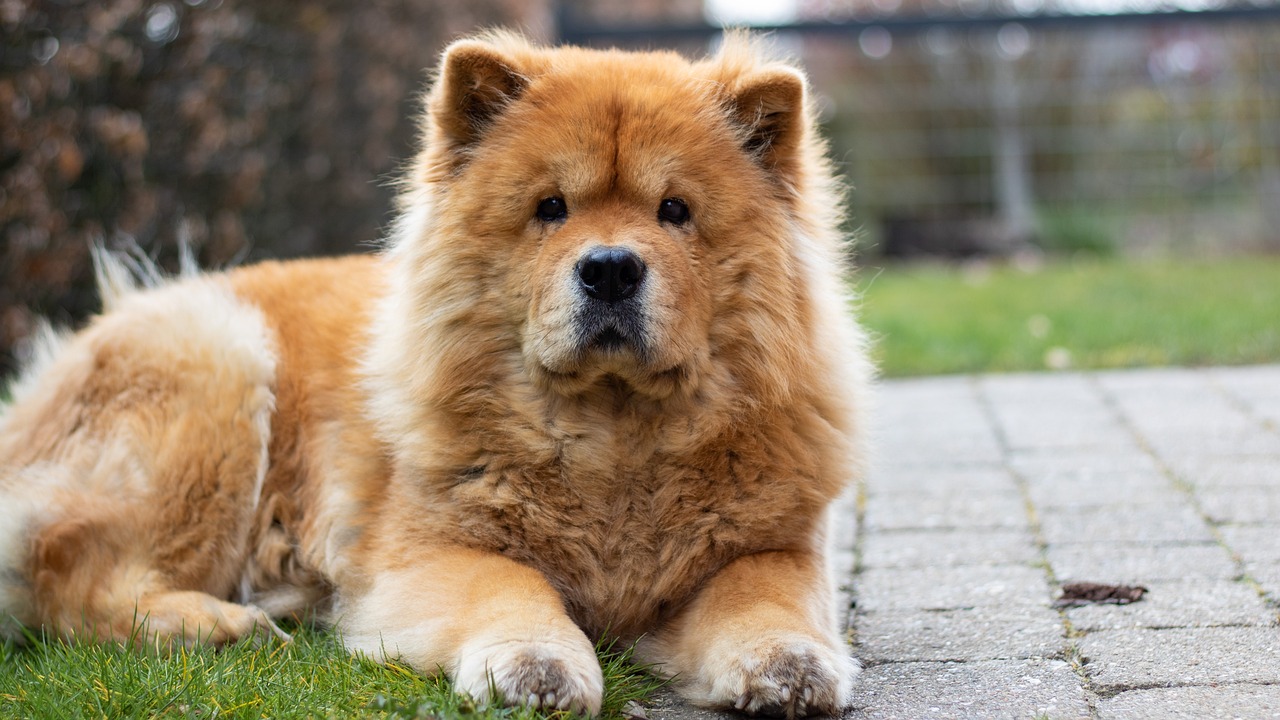
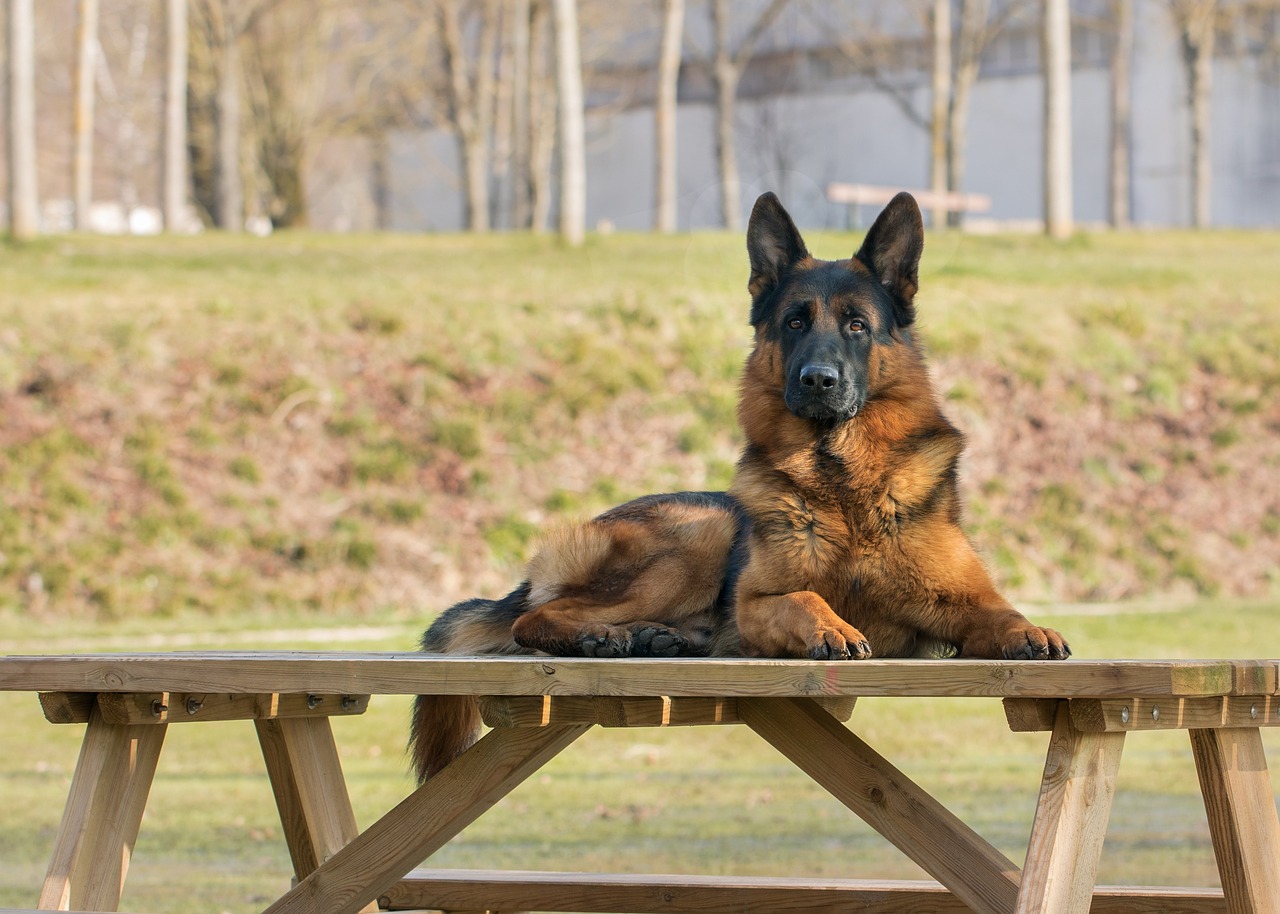
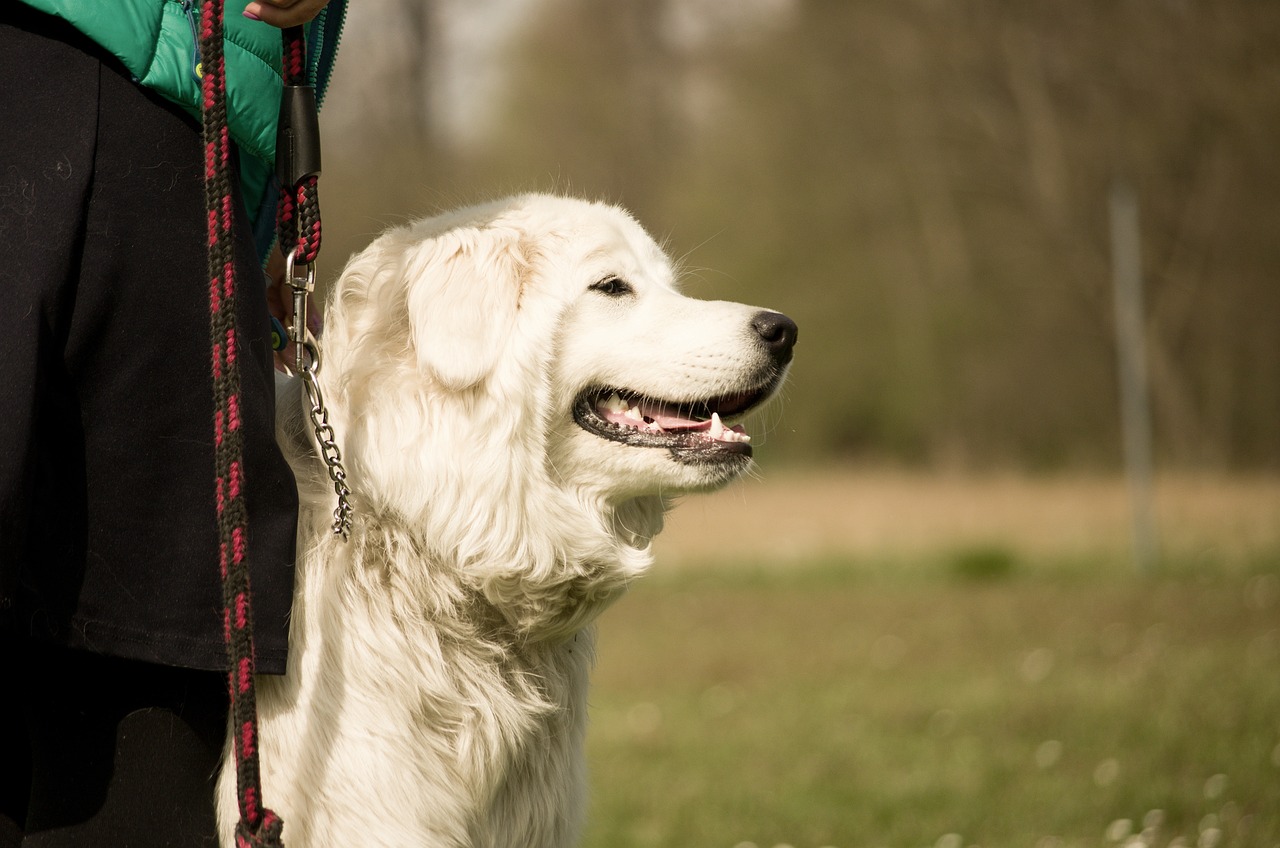
Akitas are known for their powerful and sturdy build, with a deep chest, strong muscles, and a thick double coat that can be any color including white, brindle, or pinto. They have a large head with a strong, short muzzle, and deep-set, triangular eyes that express a dignified and courageous demeanor.
Akitas are muscular, athletic dogs that possess a balanced and fluid gait. Their physical strength and endurance, combined with their keen senses, made them exceptional hunters in their native Japan.
Akitas are renowned for their loyal and protective nature. They are intelligent and often aloof with strangers but affectionate with family members. Despite their often stoic demeanor, Akitas have a playful side, especially when they are around their loved ones.
Akitas require regular exercise to maintain their physical health and mental well-being. They are relatively low-energy but enjoy regular walks, playtime, and mental stimulation. Their thick double coat requires regular grooming, especially during their bi-annual shedding seasons. Akitas are prone to certain health issues, such as hip dysplasia, autoimmune disorders, and certain types of allergies, so regular vet check-ups are essential.
Major concerns: hip dysplasia, autoimmune disorders, allergies
Minor concerns: eye issues, hypothyroidism
Occasionally seen: heart issues
Suggested tests: hip, eye, thyroid
Life span: 10–15 years
The Akita’s legacy as a symbol of protection and loyalty in its native Japan has led to its increasing popularity worldwide. Whether it’s serving as a faithful companion, a vigilant guard dog, or a therapy dog, the Akita’s dignified and loyal nature continues to win the hearts of dog enthusiasts around the world.