The American Hairless Terrier originated in the United States during the 1970s and descends from the Rat Terrier. The hairless trait first appeared as a natural mutation in a puppy named Josephine. Through careful and responsible breeding, this rare trait was stabilized, giving rise to the modern American Hairless Terrier.
This breed combines the classic energy and alertness of terriers with the practical benefit of minimal shedding, making it especially appealing to people with allergies.
Energy Level
Natural energy and enthusiasm throughout the day.
Exercise Needs
Amount of physical activity required to stay healthy.
Playfulness
Willingness to play and engage in games.
Affection Level
Tendency to show affection toward humans.
Dog Friendliness
Friendliness and tolerance toward other dogs.
Pet Friendliness
How well this pet gets along with other animals.
Stranger Friendliness
Reaction toward unfamiliar people.
Ease of Training
How easy it is to train and teach commands.
Watchfulness
Alertness and tendency to notice surroundings.
Vocality
Tendency to bark, meow, or make other sounds.
Grooming Requirements
Level of grooming effort needed on a regular basis.
Heat Sensitivity
Sensitivity to hot weather conditions.
Cold Tolerance
Ability to withstand cold temperatures.
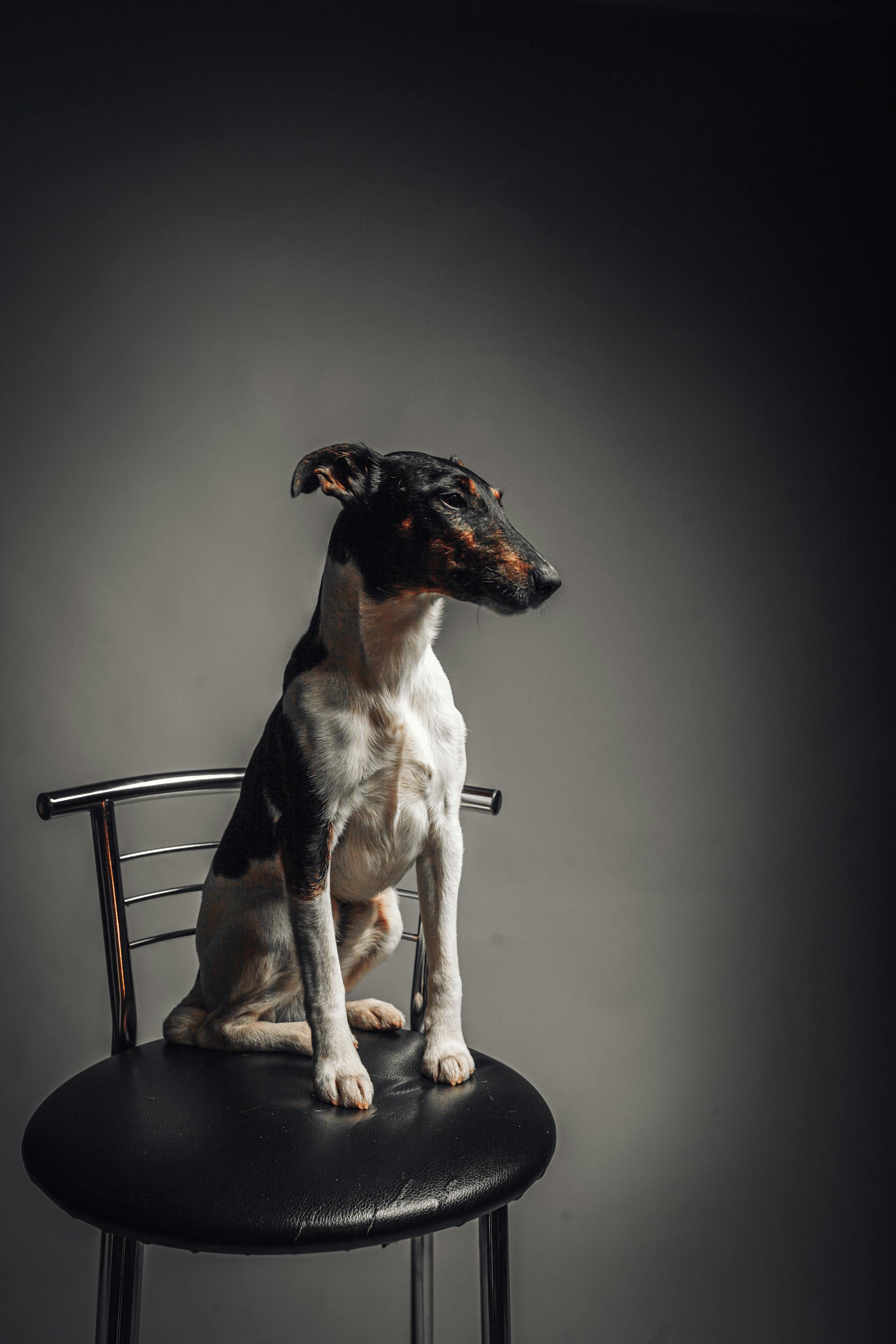
American Hairless Terriers are best known for their nearly hairless bodies, featuring smooth skin that can appear in a variety of colors and patterns. They are small to medium in size, with a compact and muscular build.
Without fur obscuring their expressions, their alert eyes and facial movements are especially noticeable, allowing owners to easily monitor skin condition and overall health.
Despite their small stature, American Hairless Terriers are agile, energetic, and quick learners. They enjoy running, interactive play, and structured activities such as agility training.
Daily physical activity and mental stimulation are essential. Without enough engagement, they may develop boredom-related behaviors such as excessive barking.
This breed is intelligent, friendly, and socially responsive. American Hairless Terriers typically form strong bonds with their families and enjoy being involved in daily activities.
They are naturally alert and observant, making them good watchdogs, while remaining affectionate without being overly dependent.
Because they lack fur, American Hairless Terriers require special environmental care:
- Sun protection during hot weather
- Warm clothing in colder seasons
- Regular skin cleaning to prevent irritation
On the positive side, grooming is minimal, and shedding is virtually nonexistent. However, like their Rat Terrier ancestors, they still need consistent exercise and companionship.
Overall, the American Hairless Terrier is considered a healthy breed.
Potential concerns include skin sensitivity, dental issues, and occasional allergies. Routine veterinary care and proper daily management help reduce risks.
Average life expectancy is 14–16 years.
The American Hairless Terrier was officially recognized by the United Kennel Club (UKC) in 2004 and by the American Kennel Club (AKC) in 2016.
Thanks to its unique appearance, friendly temperament, and suitability for allergy-sensitive households, the breed continues to grow in popularity in North America and beyond.