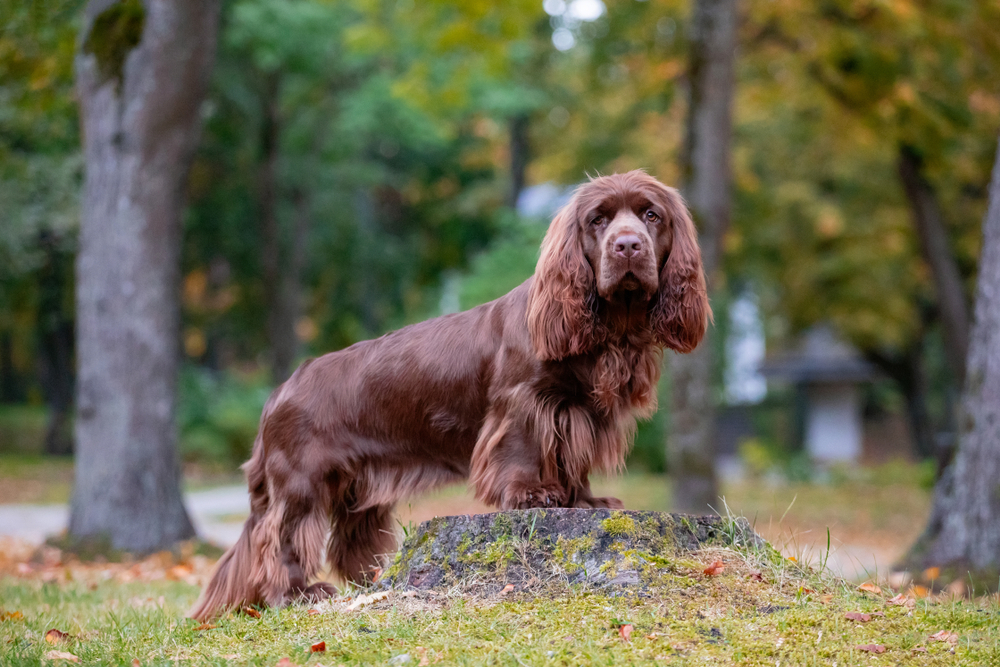
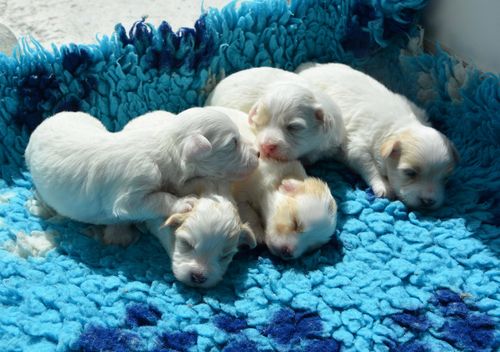
The Basset Hound originated in France as a scent hound bred to track game over long distances. The name comes from the French word “bas”, meaning “low,” reflecting the breed’s short legs and low stature. Designed to move steadily through dense underbrush, the Basset Hound possesses one of the most powerful noses in the canine world—second only to the Bloodhound.
Energy Level
Natural energy and enthusiasm throughout the day.
Exercise Needs
Amount of physical activity required to stay healthy.
Playfulness
Willingness to play and engage in games.
Affection Level
Tendency to show affection toward humans.
Dog Friendliness
Friendliness and tolerance toward other dogs.
Pet Friendliness
How well this pet gets along with other animals.
Stranger Friendliness
Reaction toward unfamiliar people.
Ease of Training
How easy it is to train and teach commands.
Watchfulness
Alertness and tendency to notice surroundings.
Vocality
Tendency to bark, meow, or make other sounds.
Grooming Requirements
Level of grooming effort needed on a regular basis.
Heat Sensitivity
Sensitivity to hot weather conditions.
Cold Tolerance
Ability to withstand cold temperatures.
Basset Hounds are instantly recognizable by their long, velvety ears, loose skin, and heavy-boned, elongated bodies. Their short, dense coat typically appears in classic hound colors such as tricolor (white, black, and brown). Large, expressive eyes and a naturally mournful look give the breed its iconic, endearing appearance.
While not fast or agile, Basset Hounds move with a steady, deliberate gait built for endurance rather than speed. Their body structure allows them to follow scent trails for extended periods, making them exceptional tracking dogs despite their relaxed demeanor.
Basset Hounds are gentle, friendly, and deeply loyal to their families. They are generally good with children, strangers, and other pets. Though affectionate and calm, they can be stubborn and independent, especially when following an interesting scent.
Routine care includes regular brushing to manage shedding and frequent ear cleaning to prevent infections. Moderate daily exercise is important to control weight, as Basset Hounds are prone to obesity. A daily walk combined with light play is usually sufficient.
Major concerns: Bloat, hip dysplasia
Minor concerns: Elbow dysplasia, glaucoma
Occasionally seen: Ear infections
Suggested tests: Hip, elbow, eye examinations
Life span: 10–12 years
Once prized as a hunting companion in France, the Basset Hound has evolved into a beloved family dog worldwide. Its remarkable scenting ability continues to be valued in tracking and detection roles, while its gentle temperament and unmistakable look have secured its place in homes and show rings alike.