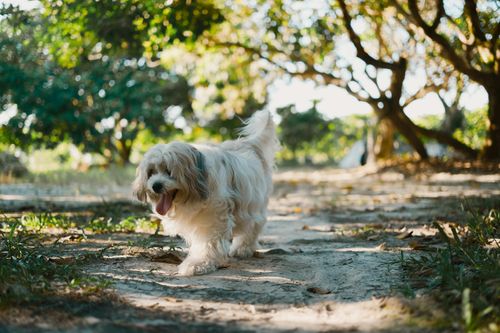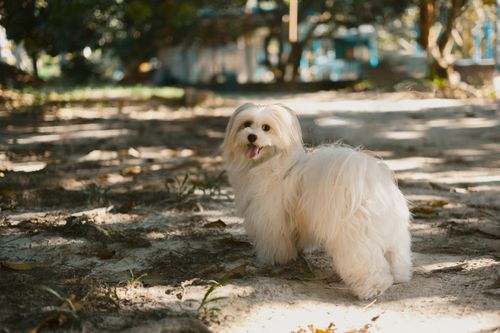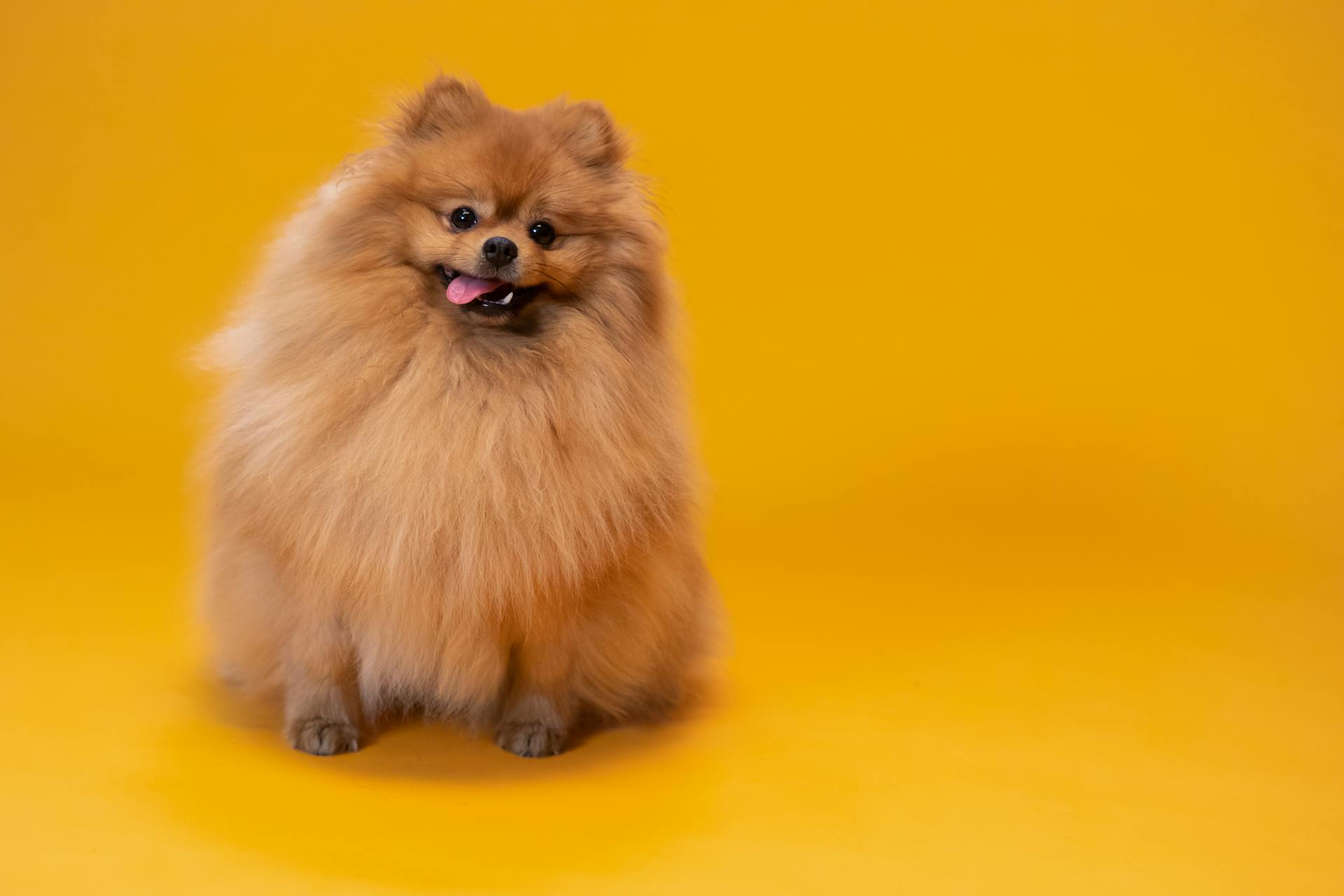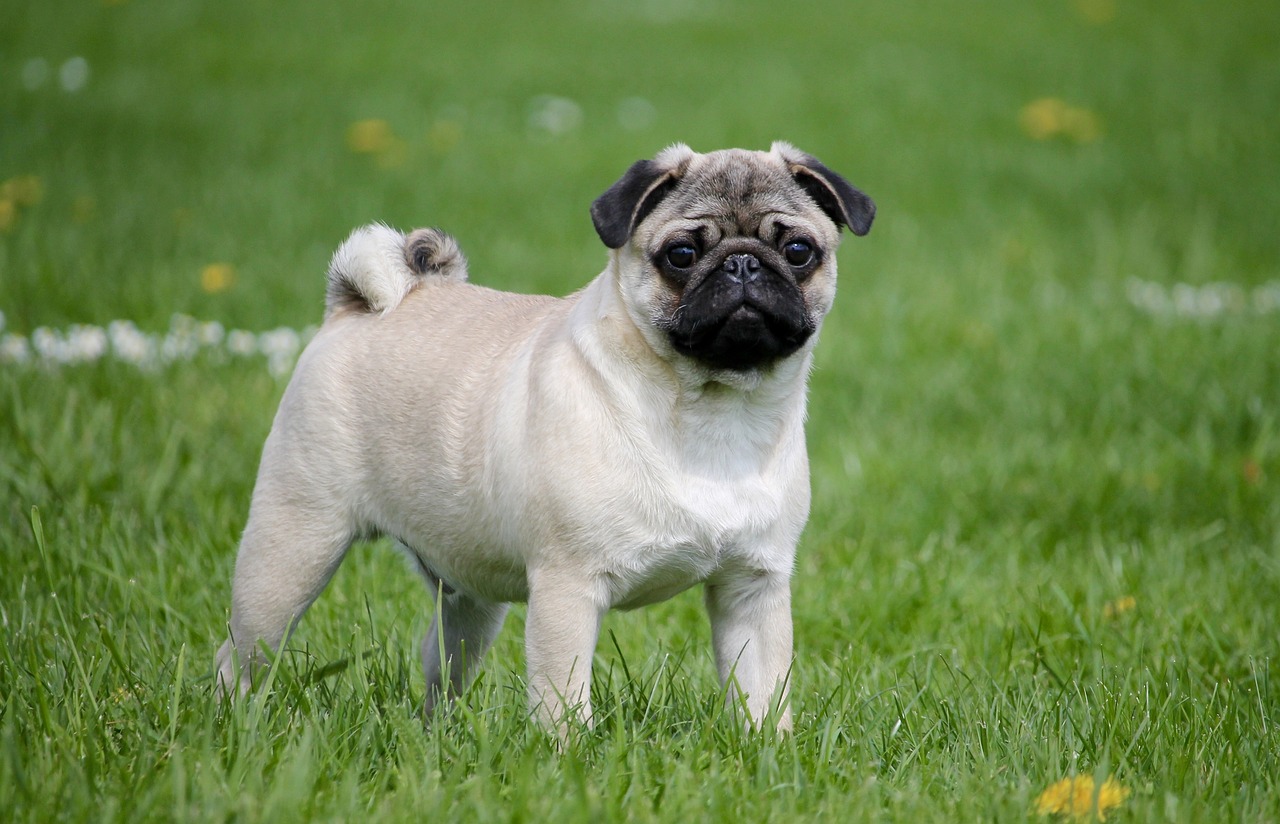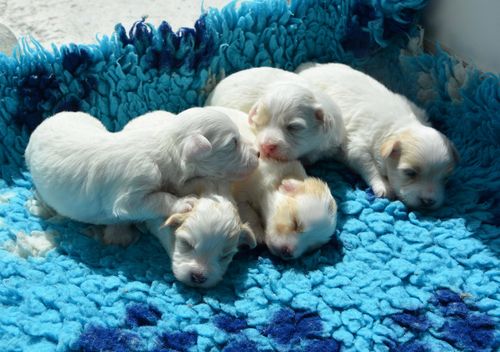
The Bichon Frise originated in the Mediterranean region and descends from small water dogs related to the Barbet. The breed later gained popularity in France and Spain, where it became a favored companion of European nobility. Its friendly temperament and adaptability also made it a popular companion for sailors, helping the breed spread across continents.
Energy Level
Natural energy and enthusiasm throughout the day.
Exercise Needs
Amount of physical activity required to stay healthy.
Playfulness
Willingness to play and engage in games.
Affection Level
Tendency to show affection toward humans.
Dog Friendliness
Friendliness and tolerance toward other dogs.
Pet Friendliness
How well this pet gets along with other animals.
Stranger Friendliness
Reaction toward unfamiliar people.
Ease of Training
How easy it is to train and teach commands.
Watchfulness
Alertness and tendency to notice surroundings.
Vocality
Tendency to bark, meow, or make other sounds.
Grooming Requirements
Level of grooming effort needed on a regular basis.
Heat Sensitivity
Sensitivity to hot weather conditions.
Cold Tolerance
Ability to withstand cold temperatures.
The Bichon Frise is instantly recognizable by its dense, soft, curly white coat, which gives the breed its signature fluffy appearance. Standing approximately 9 to 12 inches at the shoulder, the Bichon has a compact yet sturdy build.
Its dark, round eyes and black nose create a bright, alert expression, while the plumed tail is carried gracefully over the back. Regular grooming is essential to maintain coat health and prevent matting.
Despite its small size, the Bichon Frise moves with a lively, light-footed gait. The breed is agile and enjoys interactive play, short bursts of running, and games that engage both body and mind.
Daily moderate exercise is sufficient to keep the Bichon physically fit and mentally satisfied.
Bichon Frises are known for their cheerful, affectionate, and sociable nature. They form strong bonds with their families and enjoy being involved in daily activities.
Highly people-oriented, they typically do well with children, other dogs, and household pets. Their intelligence and eagerness to please make them responsive to positive reinforcement training.
Although considered hypoallergenic, the Bichon Frise requires consistent grooming, including regular brushing and professional trimming, to maintain coat condition.
Mental stimulation, daily walks, and interactive play are important to prevent boredom-related behaviors. Their adaptable nature allows them to thrive in apartments as well as larger homes.
Minor concerns: Patellar luxation, hip dysplasia
Occasionally seen: Bladder stones, ear infections
Suggested tests: Knee, hip, dental examinations
Life span: 14–15 years