The Border Terrier originated in the rugged borderlands between England and Scotland, where it was bred to assist in fox hunting. Compact yet resilient, this terrier was required to keep pace with horses, navigate rough terrain, and work independently alongside farmers and huntsmen.
Energy Level
Natural energy and enthusiasm throughout the day.
Exercise Needs
Amount of physical activity required to stay healthy.
Playfulness
Willingness to play and engage in games.
Affection Level
Tendency to show affection toward humans.
Dog Friendliness
Friendliness and tolerance toward other dogs.
Pet Friendliness
How well this pet gets along with other animals.
Stranger Friendliness
Reaction toward unfamiliar people.
Ease of Training
How easy it is to train and teach commands.
Watchfulness
Alertness and tendency to notice surroundings.
Vocality
Tendency to bark, meow, or make other sounds.
Grooming Requirements
Level of grooming effort needed on a regular basis.
Heat Sensitivity
Sensitivity to hot weather conditions.
Cold Tolerance
Ability to withstand cold temperatures.
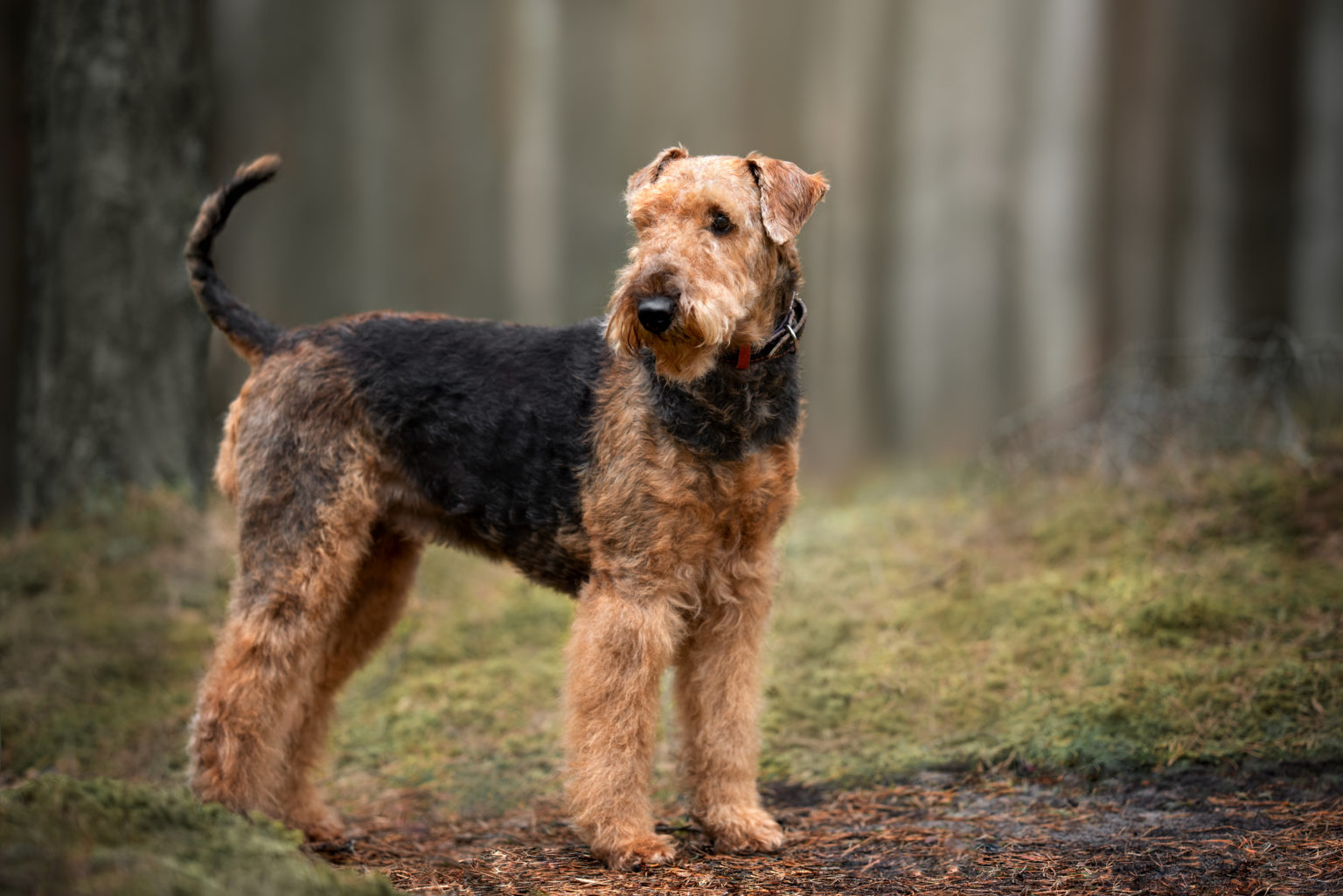
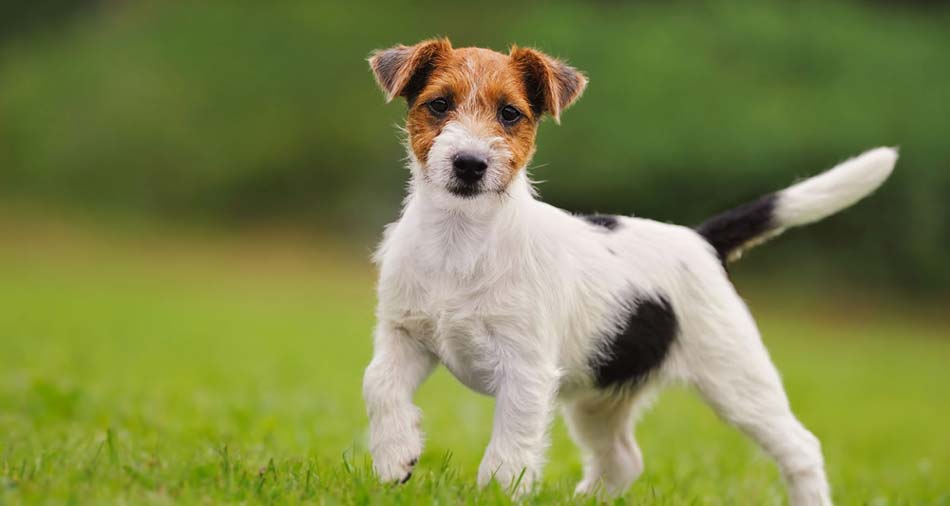
Border Terriers are small but sturdy dogs, best known for their distinctive otter-shaped head and dense, wiry double coat. Coat colors include red, grizzle and tan, blue and tan, or wheaten. Their thick skin and weather-resistant coat provide protection while working in harsh outdoor conditions.
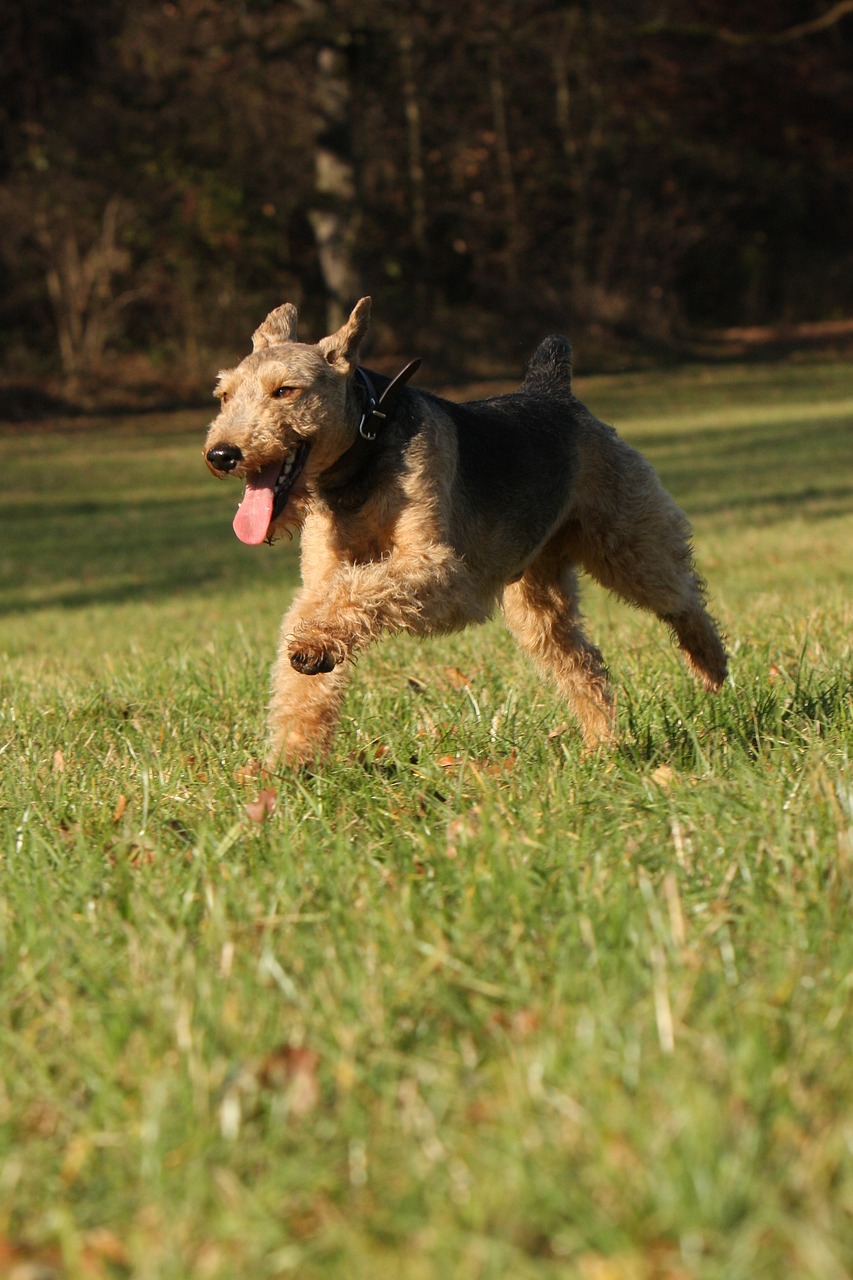
This breed is known for its endurance and agility, displaying a lively yet efficient gait. Despite their modest size, Border Terriers are capable of covering long distances and navigating uneven terrain, making them excellent companions for active outdoor lifestyles.
Border Terriers are spirited, affectionate, and good-natured, often displaying a friendlier disposition than many other terrier breeds. They are intelligent and generally responsive to training, though a degree of independent terrier stubbornness remains. They usually do well with children and other dogs, but their strong prey drive may be challenging in homes with small animals.
Their wiry coat requires regular brushing and hand-stripping once or twice a year to maintain texture and condition. Border Terriers are energetic and need daily physical and mental stimulation, including walks, play, and secure off-leash exploration.
Major concerns: Canine Epileptoid Cramping Syndrome (CECS)
Minor concerns: Hip dysplasia, heart defects
Occasionally seen: Patellar luxation
Suggested tests: Hip, heart, knee
Life span: 12–15 years
While no longer primarily used for fox hunting, the Border Terrier retains its working resilience, adaptability, and balanced temperament. Today, it is valued as both a capable sporting companion and a loyal family dog, well-suited to a wide range of active households.