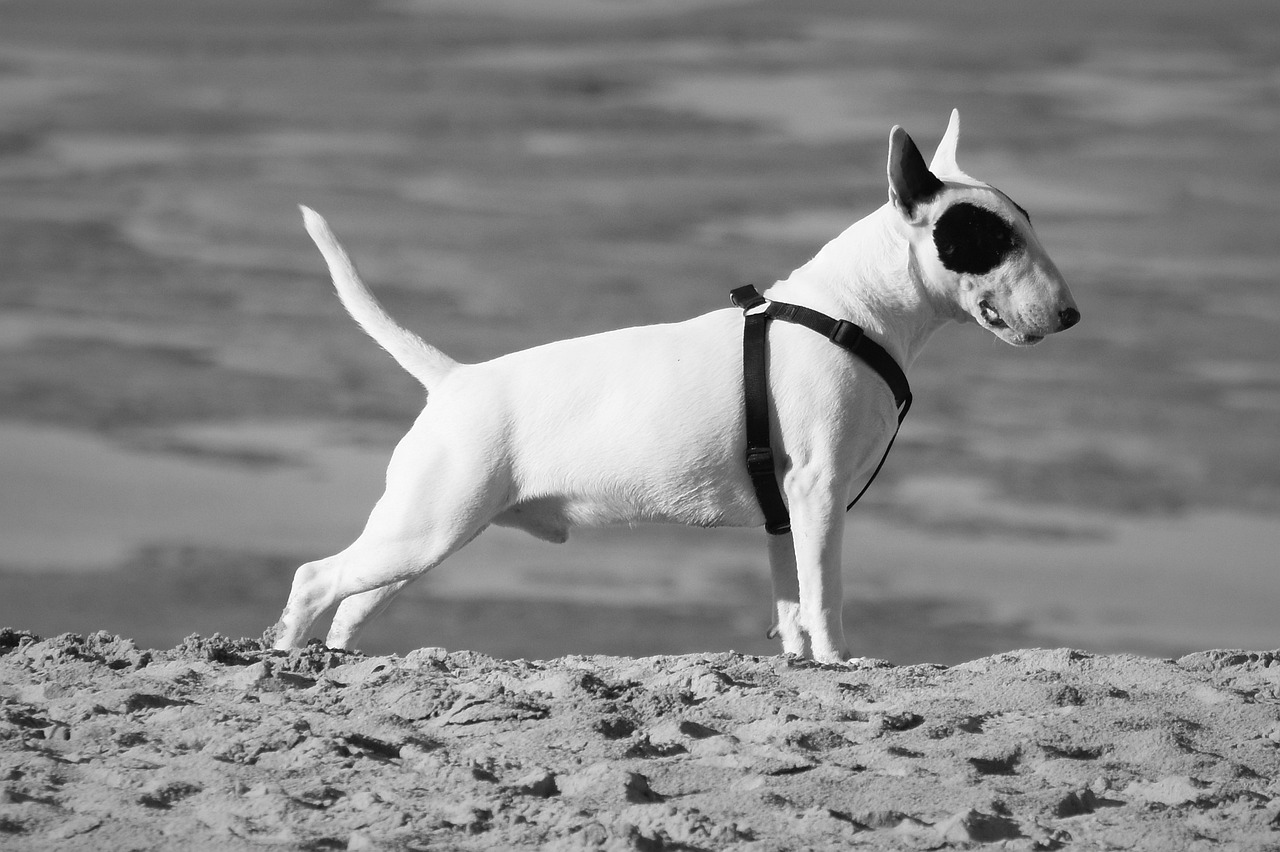
The Bull Terrier is one of the most instantly recognizable dog breeds, celebrated for its distinctive egg-shaped head, powerful build, and lively temperament.
Originally developed in the United Kingdom, this breed combines courage, determination, and deep affection for its family.
Energy Level
Natural energy and enthusiasm throughout the day.
Exercise Needs
Amount of physical activity required to stay healthy.
Playfulness
Willingness to play and engage in games.
Affection Level
Tendency to show affection toward humans.
Dog Friendliness
Friendliness and tolerance toward other dogs.
Pet Friendliness
How well this pet gets along with other animals.
Stranger Friendliness
Reaction toward unfamiliar people.
Ease of Training
How easy it is to train and teach commands.
Watchfulness
Alertness and tendency to notice surroundings.
Vocality
Tendency to bark, meow, or make other sounds.
Grooming Requirements
Level of grooming effort needed on a regular basis.
Heat Sensitivity
Sensitivity to hot weather conditions.
Cold Tolerance
Ability to withstand cold temperatures.
Their defining characteristic is the oval-shaped head with small, triangular eyes, giving them a unique and expressive appearance. Coat colors include white, brindle, black and tan, and various tricolor combinations.
They move with a confident, jaunty gait and enjoy activities that involve bursts of speed, strength, and playful interaction.
They form close bonds with their families and thrive on companionship. While loyal and loving, they can be stubborn, making early training and consistent leadership essential.
Mental stimulation, obedience training, and interactive play are just as important as physical activity. Grooming needs are minimal due to the short coat.
Minor concerns: Deafness (especially in white Bull Terriers), skin allergies
Occasionally seen: Patellar luxation
Suggested tests: Heart, kidney, hearing (BAER), skin
Life span: 11–14 years
Once associated with blood sports, the breed later evolved into a fashionable companion dog. Today, the Bull Terrier is valued for its unique appearance, spirited personality, and loyal companionship.