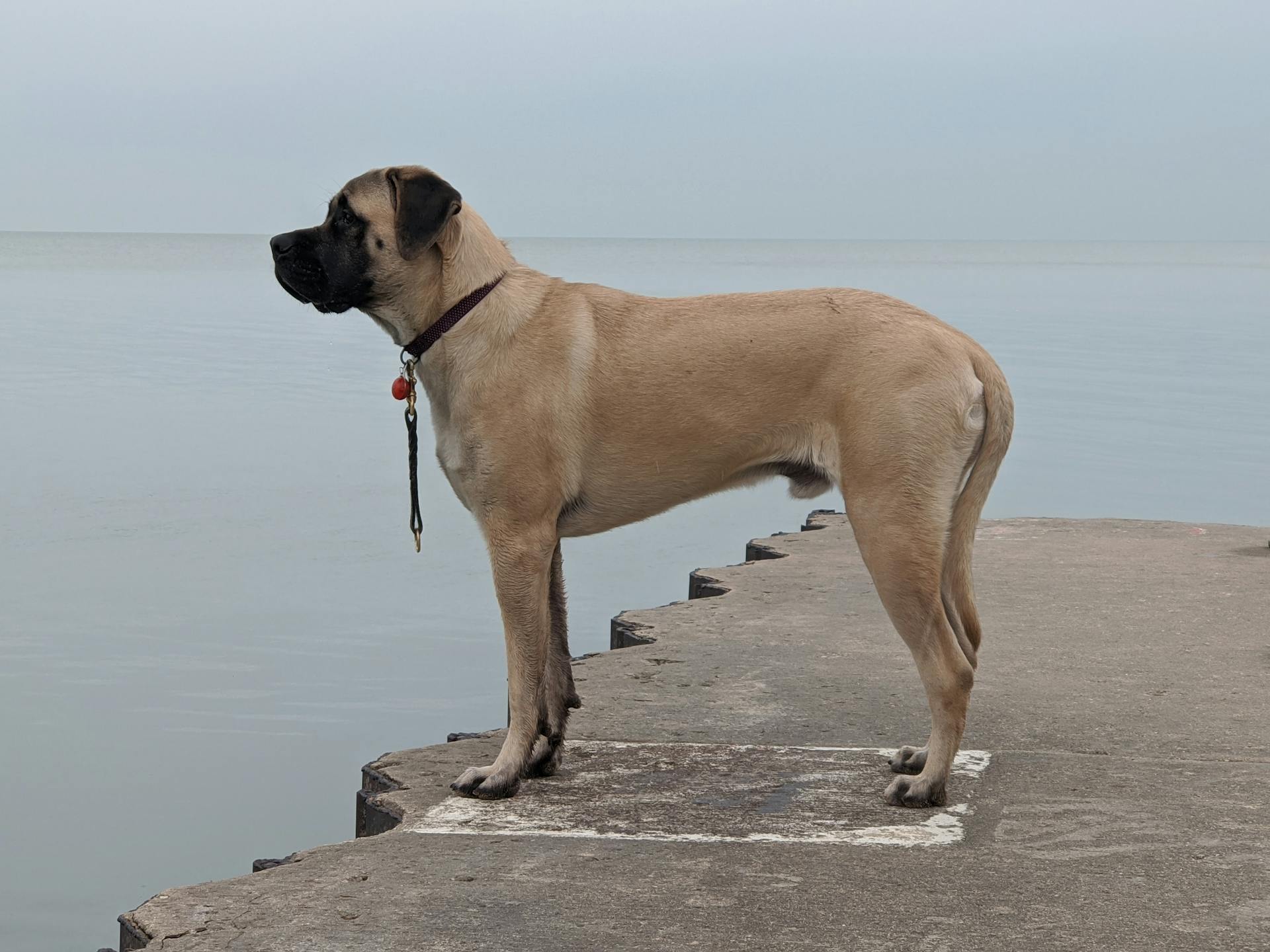
The Cane Corso is a powerful Italian breed with roots tracing back to ancient Rome where they were used as war dogs and guardians. This breed evolved from the Roman war dogs, the Molossians, and was refined over centuries to guard property, livestock, and families. The Cane Corso was nearly extinct by the mid-20th century but was revived by enthusiasts in the 1970s.
Energy Level
Natural energy and enthusiasm throughout the day.
Exercise Needs
Amount of physical activity required to stay healthy.
Playfulness
Willingness to play and engage in games.
Affection Level
Tendency to show affection toward humans.
Dog Friendliness
Friendliness and tolerance toward other dogs.
Pet Friendliness
How well this pet gets along with other animals.
Stranger Friendliness
Reaction toward unfamiliar people.
Ease of Training
How easy it is to train and teach commands.
Watchfulness
Alertness and tendency to notice surroundings.
Vocality
Tendency to bark, meow, or make other sounds.
Grooming Requirements
Level of grooming effort needed on a regular basis.
Heat Sensitivity
Sensitivity to hot weather conditions.
Cold Tolerance
Ability to withstand cold temperatures.
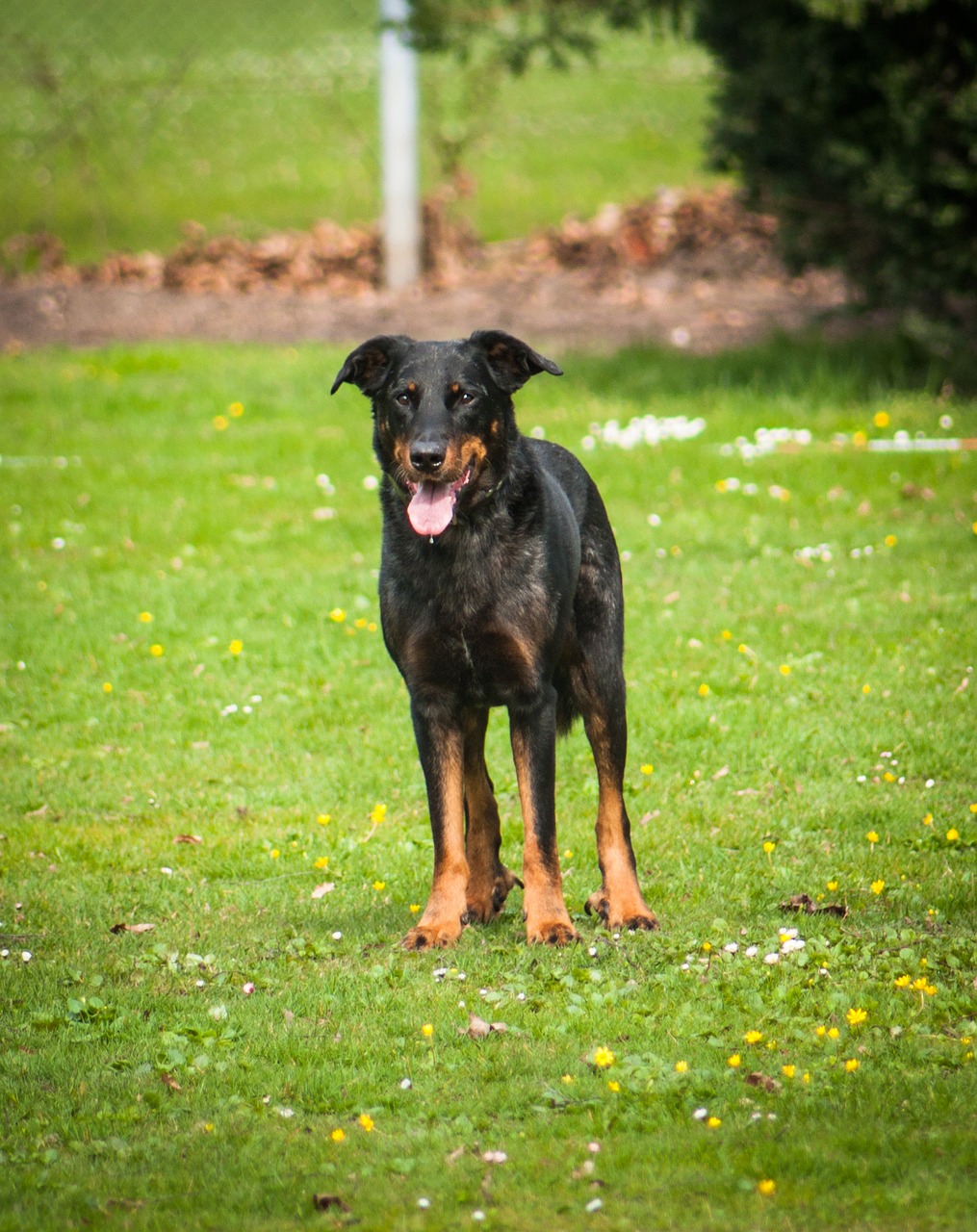
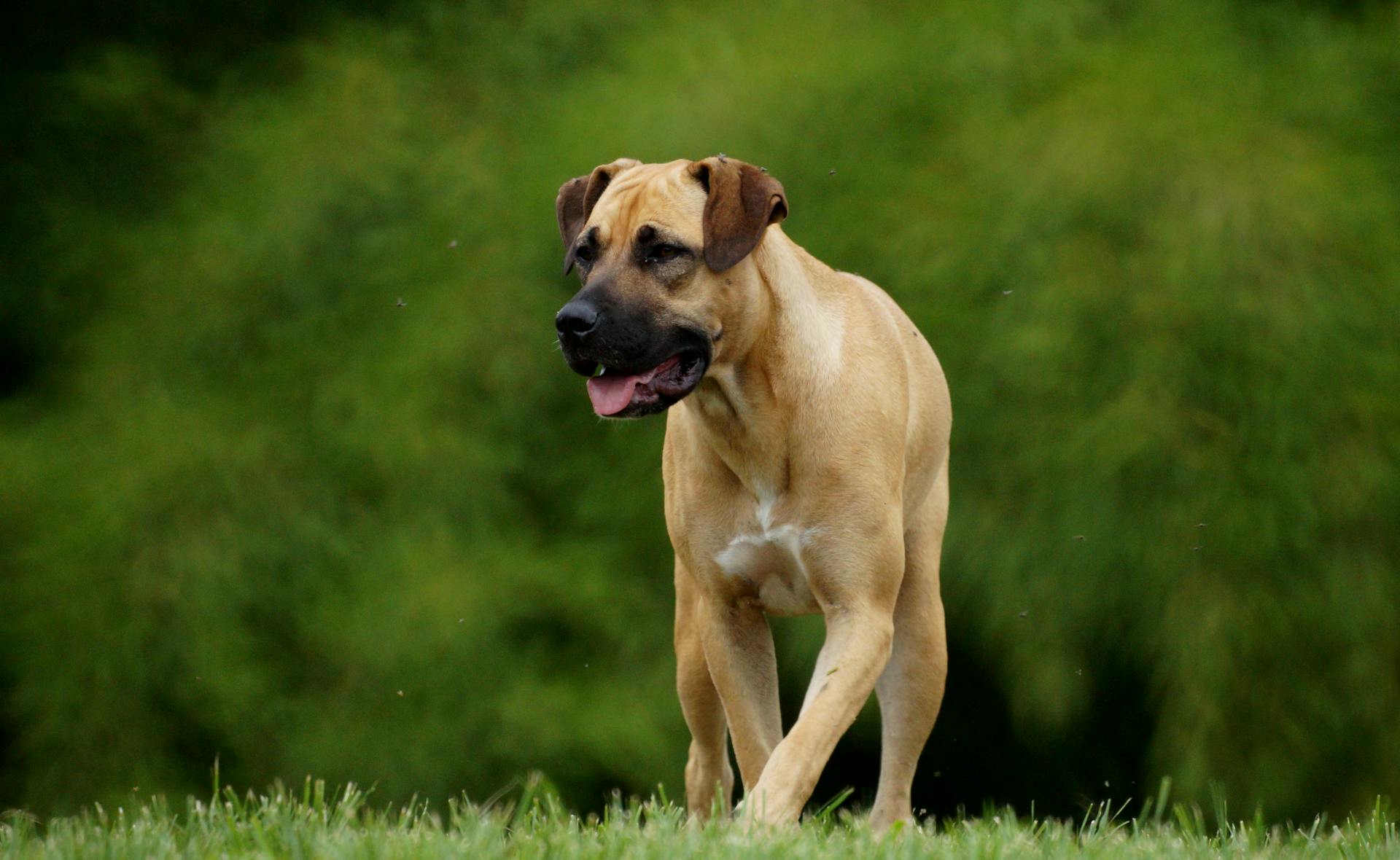
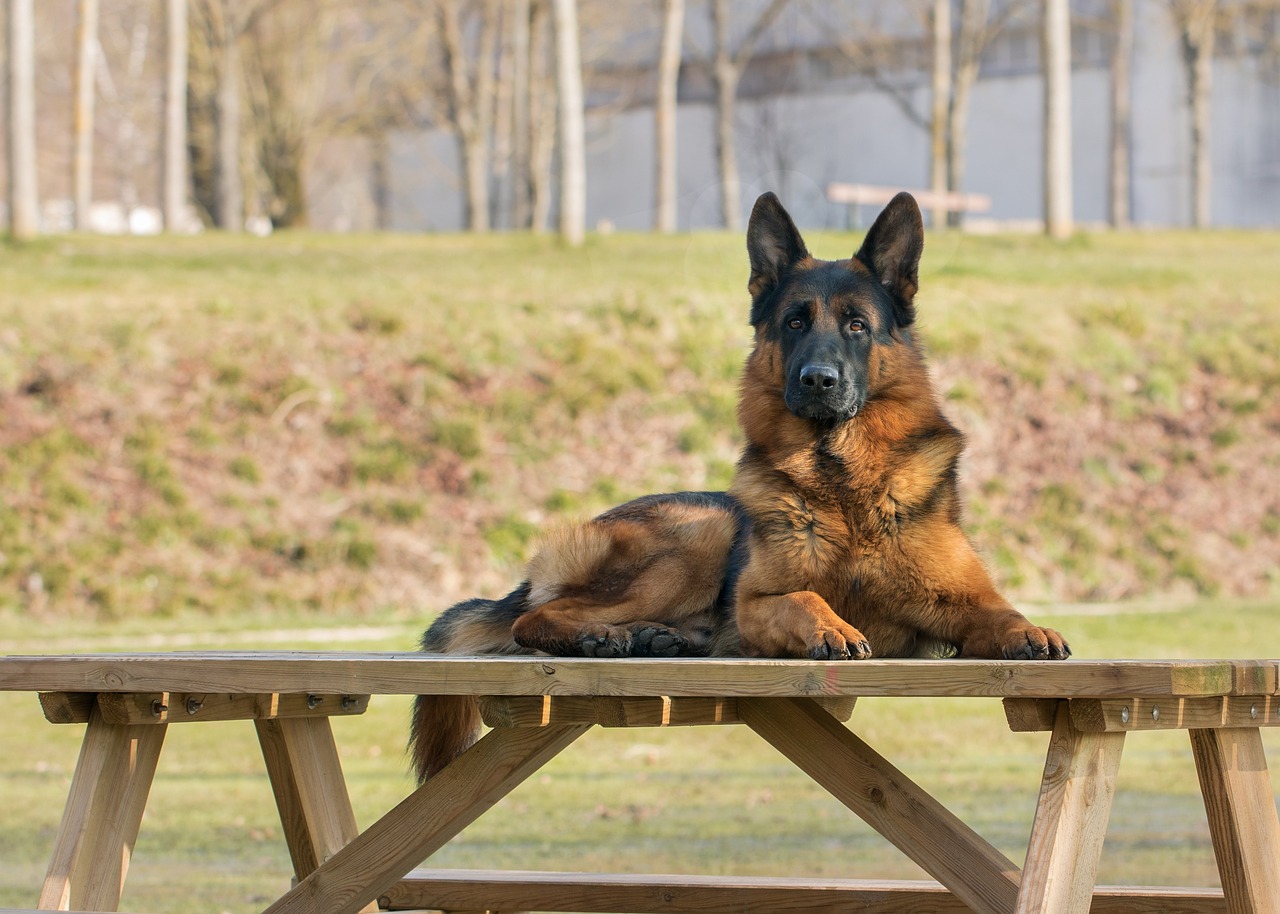
Cane Corsos are known for their impressive, muscular build, large head, and expressive eyes. They typically display a short, dense coat that comes in shades such as black, gray, fawn, and red, often with a black or gray mask. They are muscular and athletic, designed for both power and agility.
Despite their large size, Cane Corsos are remarkably agile and possess a powerful, confident gait. Their athleticism is evident in their quick, responsive movements and their ability to perform a variety of tasks, from guarding to tracking.
Cane Corsos are known for their protective and loyal nature. They are highly intelligent and trainable but require a firm, consistent hand in training. Their protective instincts make them excellent watchdogs, although they need proper socialization to ensure they remain well-adjusted and disciplined.
Due to their size and energy level, Cane Corsos require regular exercise to stay healthy and happy. They benefit from activities like long walks, runs, and play sessions in a securely fenced yard. Their coat needs minimal grooming, but regular brushing will help manage shedding.
Major concerns: hip dysplasia, elbow dysplasia
Minor concerns: gastric torsion, cardiac issues
Occasionally seen: skin conditions
Suggested tests: hip, elbow, cardiac
Life span: 9–12 years
The revival of the Cane Corso has allowed this ancient breed to regain popularity both in Italy and internationally. Its impressive physical attributes and strong guarding instincts have made it a favored choice for those seeking a capable and devoted protector. The breed’s history as a Roman guardian continues to influence its roles today, contributing to its stature as a revered and powerful canine.