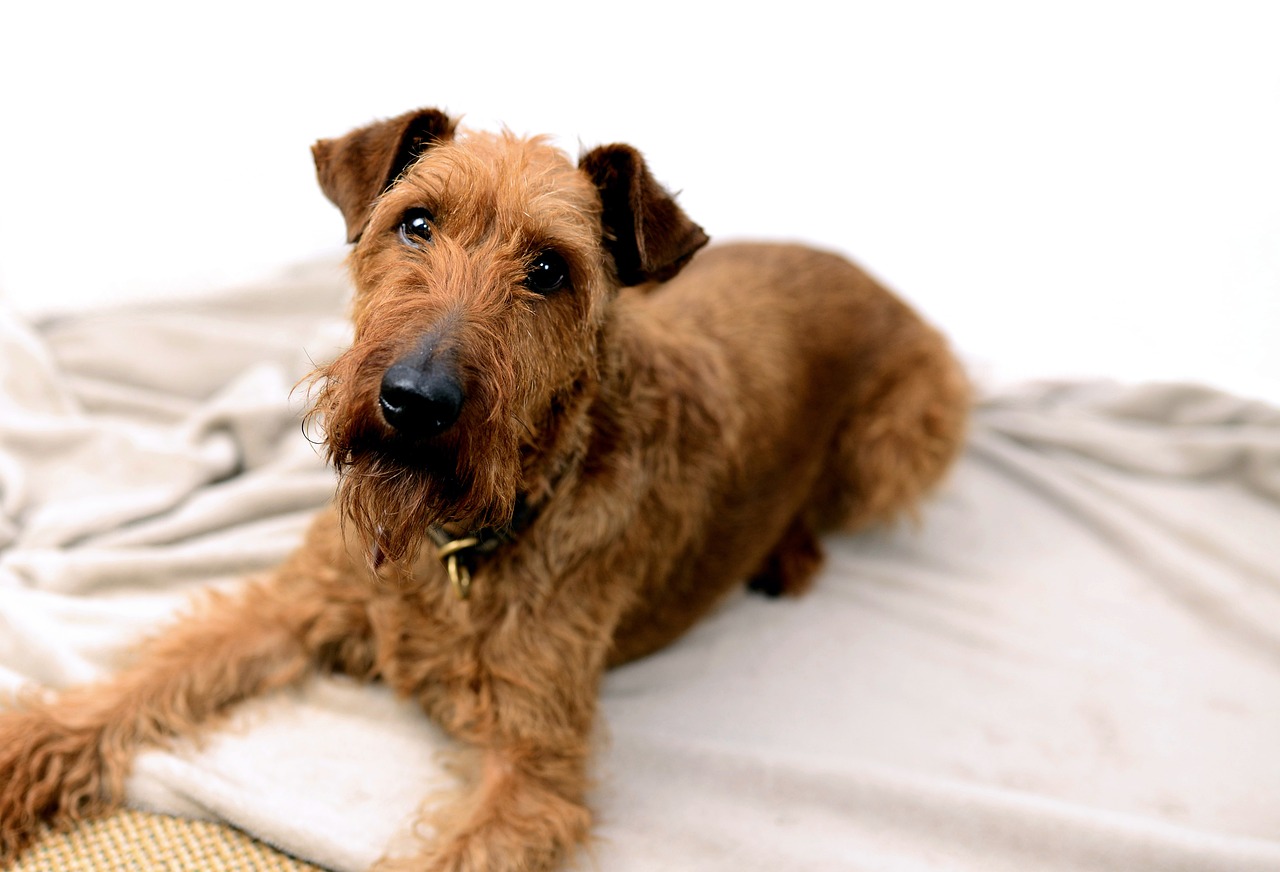
The Jindo originated on Jindo Island in South Korea and is one of the country’s most treasured native breeds. Initially used as a hunting dog, it is renowned for its extraordinary scenting ability, endurance, and courage, capable of hunting deer and wild boar. In 1993, the Jindo was designated as a National Natural Treasure of South Korea.
Today, the Jindo is celebrated for its versatility, intelligence, and deep emotional bonds, gaining popularity both within South Korea and internationally.
Energy Level
Natural energy and enthusiasm throughout the day.
Exercise Needs
Amount of physical activity required to stay healthy.
Playfulness
Willingness to play and engage in games.
Affection Level
Tendency to show affection toward humans.
Dog Friendliness
Friendliness and tolerance toward other dogs.
Pet Friendliness
How well this pet gets along with other animals.
Stranger Friendliness
Reaction toward unfamiliar people.
Ease of Training
How easy it is to train and teach commands.
Watchfulness
Alertness and tendency to notice surroundings.
Vocality
Tendency to bark, meow, or make other sounds.
Grooming Requirements
Level of grooming effort needed on a regular basis.
Heat Sensitivity
Sensitivity to hot weather conditions.
Cold Tolerance
Ability to withstand cold temperatures.
The Jindo is a medium-sized dog with a compact, well-balanced, and muscular build. Its double coat consists of a coarse, waterproof outer layer and a soft undercoat for insulation. Common coat colors include white, red, brindle, black, and gray.
Its erect triangular ears, curled tail, and bright, expressive eyes exude confidence and alertness, reflecting its sharp intelligence.
The Jindo is a natural athlete with impressive speed and stamina. It excels in hunting, running, and agility training, adapting easily to diverse terrains and challenges.
Daily exercise is crucial for the Jindo’s health and happiness. Long walks, runs, or interactive play sessions are recommended to meet its energy needs.
The Jindo is renowned for its loyalty, independence, and intelligence. It forms a strong bond with its owner while maintaining a high degree of self-reliance and protective instincts. Known for its excellent memory, the Jindo is well-suited as a guardian dog.
While gentle and affectionate with family, the Jindo may be wary or aloof toward strangers. Early socialization is essential to ensure harmony with family members and other pets.
The Jindo’s coat is relatively low-maintenance, requiring weekly brushing to stay clean and healthy. During shedding seasons, more frequent grooming helps manage loose fur. Its naturally water-resistant coat means bathing should be occasional.
Regular ear cleaning, nail trimming, and dental care are essential. A balanced, nutritious diet is important, as the Jindo can be sensitive to certain foods.
Primary health concerns: Hypothyroidism
Secondary issues: Allergies, joint problems
Recommended tests: Thyroid function tests, joint evaluations
Lifespan: 12–15 years
The Jindo is generally a healthy breed, but regular health checkups are vital for maintaining its quality of life.
The Jindo has long been admired in South Korea for its remarkable hunting abilities and unwavering loyalty. Historically, it served as both a hunter’s trusted partner and a family guardian.
Today, the Jindo is recognized not only as a symbol of South Korea’s cultural heritage but also as an intelligent and devoted companion worldwide. Its legacy continues as a testament to its exceptional traits.