The Maltese is one of the oldest toy breeds, with a documented history spanning more than 2,000 years. Originating from the Mediterranean island of Malta, the breed was treasured by ancient civilizations including the Greeks and Romans, often symbolizing elegance, status, and refinement.
Energy Level
Natural energy and enthusiasm throughout the day.
Exercise Needs
Amount of physical activity required to stay healthy.
Playfulness
Willingness to play and engage in games.
Affection Level
Tendency to show affection toward humans.
Dog Friendliness
Friendliness and tolerance toward other dogs.
Pet Friendliness
How well this pet gets along with other animals.
Stranger Friendliness
Reaction toward unfamiliar people.
Ease of Training
How easy it is to train and teach commands.
Watchfulness
Alertness and tendency to notice surroundings.
Vocality
Tendency to bark, meow, or make other sounds.
Grooming Requirements
Level of grooming effort needed on a regular basis.
Heat Sensitivity
Sensitivity to hot weather conditions.
Cold Tolerance
Ability to withstand cold temperatures.
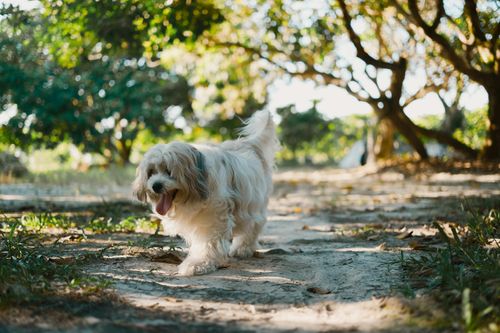
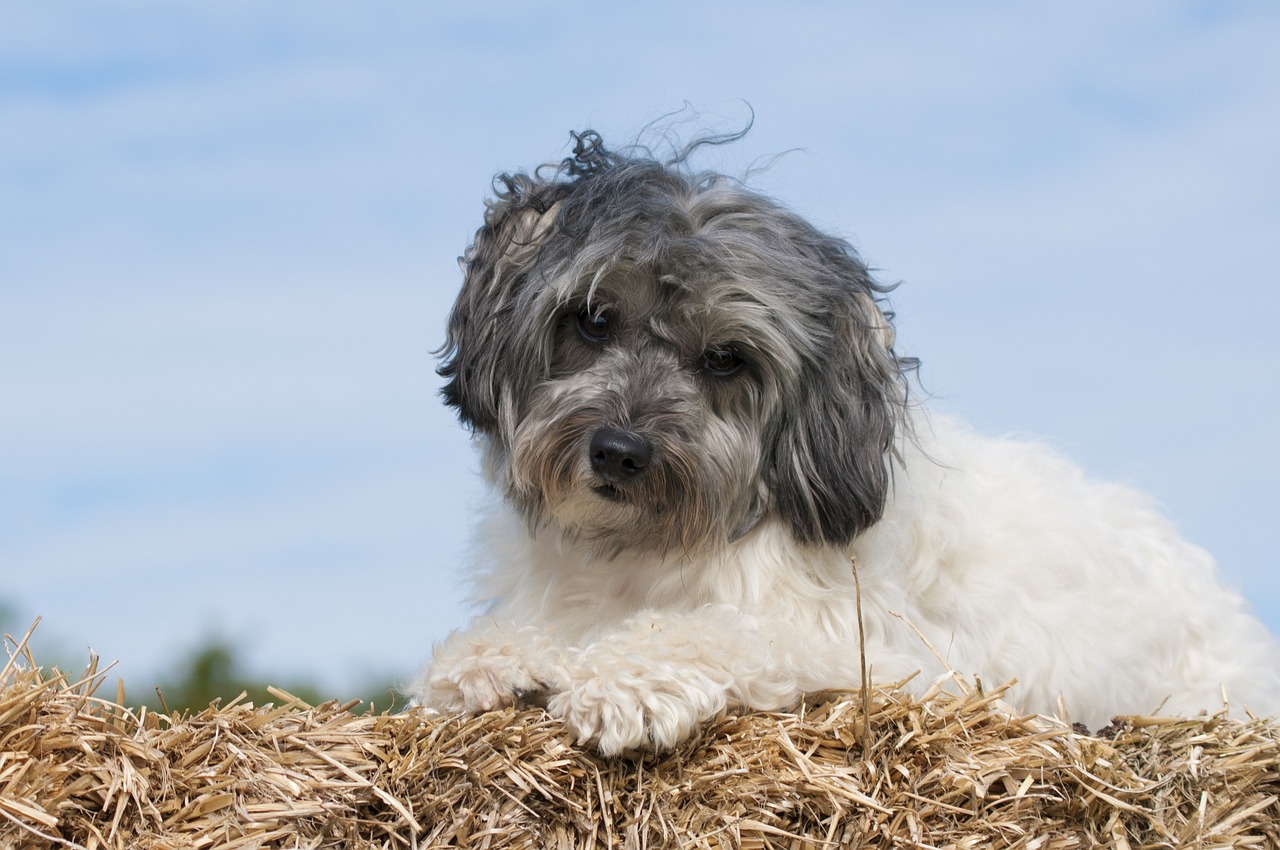
The Maltese is a small yet sturdy dog, standing 7–9 inches at the shoulder and weighing 4–7 pounds. Its defining feature is a long, silky white coat that hangs straight to the ground. Dark, expressive eyes and a black nose give the breed its signature gentle expression.
Despite its delicate appearance, the Maltese displays a lively, flowing gait. It enjoys brisk walks and indoor play and remains agile and alert. Moderate daily activity is sufficient to maintain its physical and mental health.
Maltese dogs are known for their affectionate, gentle, and people-oriented nature. They form strong bonds with their families, are playful without being demanding, and generally get along well with children and other pets. Intelligence and eagerness to please make them highly trainable, though mild stubbornness may appear.
The long coat requires daily brushing to prevent tangles and matting. Regular bathing, eye care, and dental hygiene are essential. As a true companion breed, the Maltese thrives on human interaction and should not be left alone for long periods.
Major concerns: Dental issues, luxating patella
Minor concerns: Tear staining, allergies
Occasionally seen: Heart and liver conditions
Suggested tests: Knee, dental, heart
Life span: 12–15 years
From ancient palaces to modern homes, the Maltese has remained a symbol of timeless companionship and elegance. Its enduring popularity reflects its gentle temperament, adaptability, and unwavering devotion to its owners.