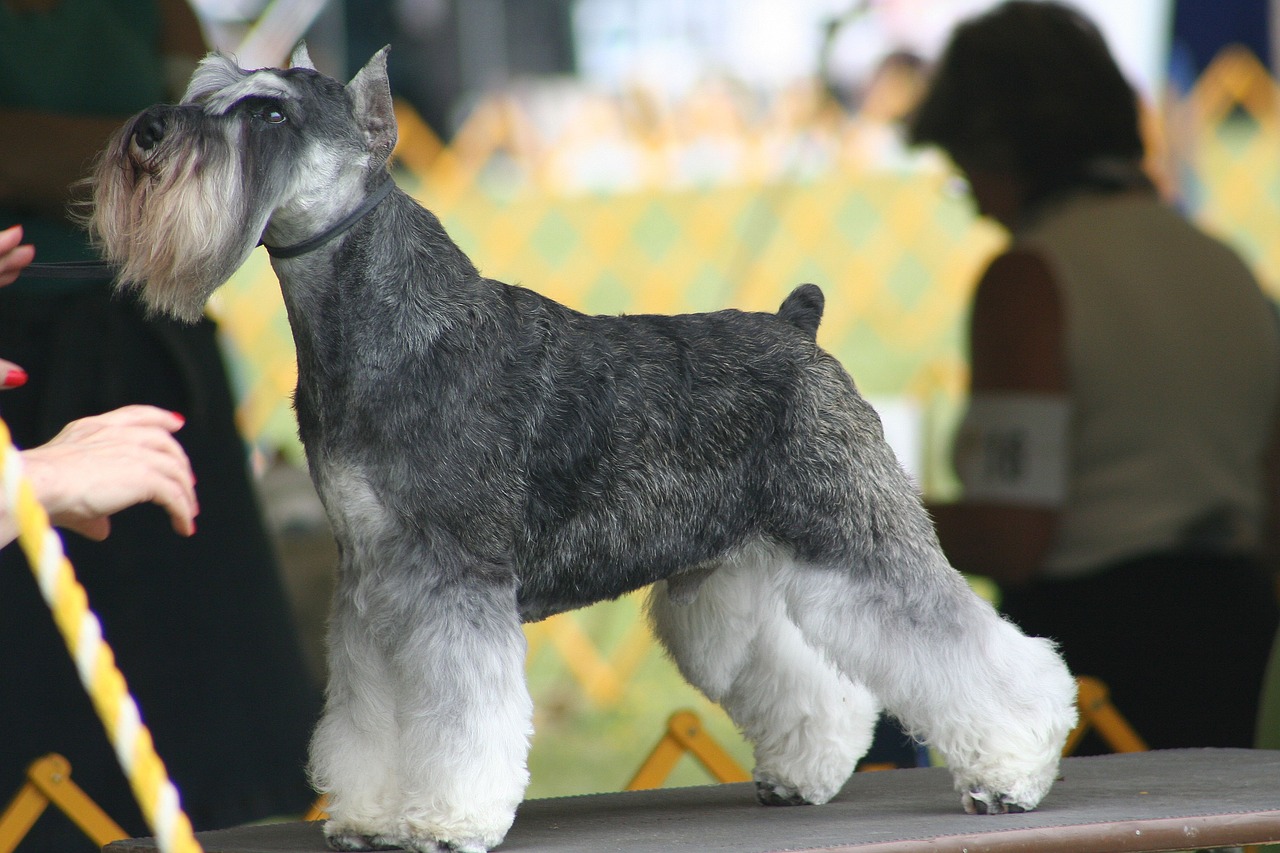
The Miniature Schnauzer, developed in Germany during the late 19th century, was bred to be a small and versatile farm dog. This breed is a result of crossing the Standard Schnauzer with smaller breeds like the Affenpinscher and Poodle. The Miniature Schnauzer quickly gained popularity due to its ability to catch rats and other small vermin, as well as its charming and engaging personality.
Energy Level
Natural energy and enthusiasm throughout the day.
Exercise Needs
Amount of physical activity required to stay healthy.
Playfulness
Willingness to play and engage in games.
Affection Level
Tendency to show affection toward humans.
Dog Friendliness
Friendliness and tolerance toward other dogs.
Pet Friendliness
How well this pet gets along with other animals.
Stranger Friendliness
Reaction toward unfamiliar people.
Ease of Training
How easy it is to train and teach commands.
Watchfulness
Alertness and tendency to notice surroundings.
Vocality
Tendency to bark, meow, or make other sounds.
Grooming Requirements
Level of grooming effort needed on a regular basis.
Heat Sensitivity
Sensitivity to hot weather conditions.
Cold Tolerance
Ability to withstand cold temperatures.
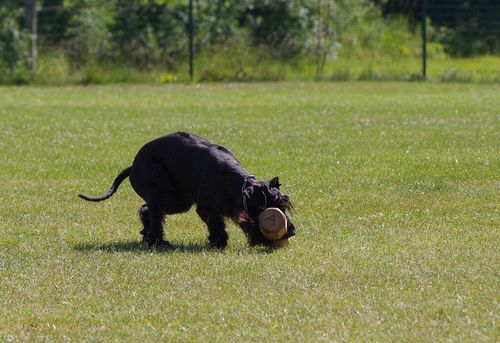
Miniature Schnauzers are small, sturdy dogs with a distinctive appearance. They have a double coat that consists of a wiry outer layer and a soft undercoat. Common coat colors include salt and pepper, black, and black and silver. The breed is known for its bushy beard and eyebrows, which give it a keen and alert expression. They have a square-built body, strong legs, and a well-proportioned head.
Miniature Schnauzers are active and agile dogs. They have a lively, spirited gait and enjoy activities that challenge their physical and mental abilities. Regular exercise, such as walks, playtime, and agility training, is essential to keep them healthy and happy.
Miniature Schnauzers are known for their friendly and outgoing nature. They are intelligent, quick to learn, and eager to please, making them excellent companions and family pets. Their lively and playful demeanor endears them to both adults and children. Despite their small size, they are bold and alert, making them good watchdogs.
Miniature Schnauzers require regular grooming to maintain their distinctive appearance. This includes brushing several times a week and regular trimming or clipping to keep their coat in good condition. Their beard and eyebrows should be cleaned regularly to prevent matting and debris buildup. Regular exercise is important to keep them fit and mentally stimulated. Routine veterinary check-ups are essential to monitor for common health issues.
Major concerns: progressive retinal atrophy (PRA), hyperlipidemia
Minor concerns: cataracts, pancreatitis
Occasionally seen: bladder stones, allergies
Suggested tests: eye, hip, DNA for PRA
Life span: 12–15 years
The Miniature Schnauzer’s development as a small and versatile farm dog has made it a beloved breed worldwide. Its charming appearance and lively personality have endeared it to many families, while its intelligence and trainability have made it a favorite in various dog sports and activities. The breed’s legacy as a loyal and adaptable companion continues to grow, making it a popular choice for dog lovers around the globe.