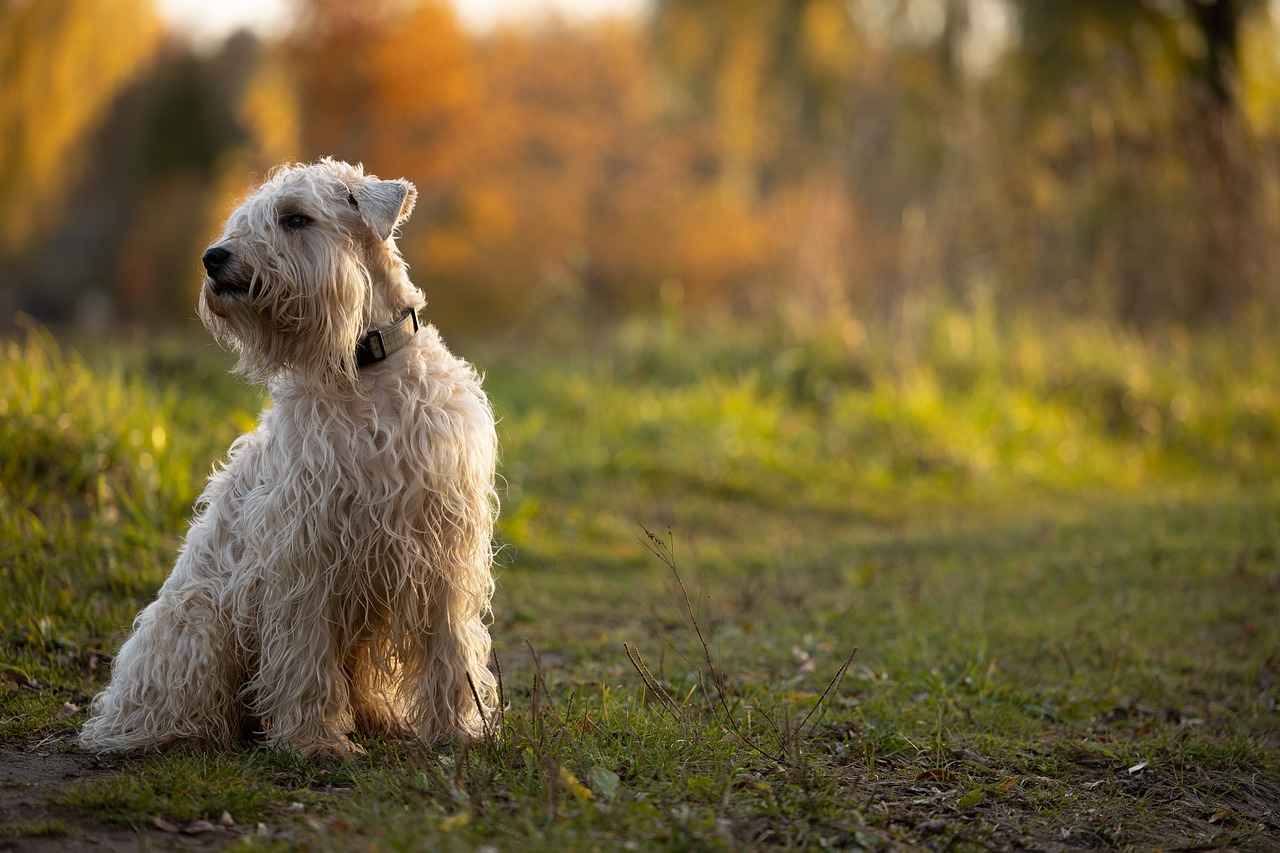
The Newfoundland originated on the Canadian island of Newfoundland and has a history dating back to the 18th century. Initially used by fishermen for water rescues and hauling fishing nets, this breed gained fame for its strength and excellent swimming capabilities.
With its combination of European hunting dogs and native breeds, the Newfoundland became a versatile working dog. Over time, it gained global recognition as both a working dog and a beloved family companion.
Energy Level
Natural energy and enthusiasm throughout the day.
Exercise Needs
Amount of physical activity required to stay healthy.
Playfulness
Willingness to play and engage in games.
Affection Level
Tendency to show affection toward humans.
Dog Friendliness
Friendliness and tolerance toward other dogs.
Pet Friendliness
How well this pet gets along with other animals.
Stranger Friendliness
Reaction toward unfamiliar people.
Ease of Training
How easy it is to train and teach commands.
Watchfulness
Alertness and tendency to notice surroundings.
Vocality
Tendency to bark, meow, or make other sounds.
Grooming Requirements
Level of grooming effort needed on a regular basis.
Heat Sensitivity
Sensitivity to hot weather conditions.
Cold Tolerance
Ability to withstand cold temperatures.
The Newfoundland is a large, muscular breed with a sturdy build. Its dense, waterproof double coat provides protection during cold water activities. Common coat colors include black, brown, gray, and black-and-white patterns.
The Newfoundland has a broad head, drooping ears, and deep, gentle eyes that reflect its calm demeanor. Its strong tail aids in swimming by acting as a rudder.
Renowned for its swimming prowess, the Newfoundland excels in water-based activities. Its powerful limbs and webbed feet allow it to swim efficiently and steadily. This breed also performs well in rescue operations, hiking, and other outdoor adventures.
While not a high-energy breed, the Newfoundland benefits from daily moderate exercise, such as walks or leisurely swims, to maintain health.
The Newfoundland is famous for its gentle and friendly temperament. Loyal to its family, it is particularly good with children, earning the nickname “natural nanny.” While typically friendly to strangers, it can be protective when needed.
Intelligent and cooperative, Newfoundlands are easy to train, making them ideal family companions and working dogs.
The Newfoundland’s thick coat requires regular grooming—brushing two to three times a week helps prevent matting, with increased frequency during shedding seasons. Its waterproof coat means baths should be given sparingly to preserve natural oils.
Special attention should be paid to ear and dental hygiene to prevent infections. A balanced diet is crucial to maintaining a healthy weight, and treat intake should be monitored.
Primary health issues: Hip dysplasia, elbow dysplasia
Secondary concerns: Heart disease (dilated cardiomyopathy), obesity
Recommended tests: Hip evaluations, heart screenings
Lifespan: 8–10 years
As a shorter-lived breed, regular checkups and appropriate care can help manage common health issues and improve their quality of life.