The Pekingese, named after China’s capital, Beijing, is an ancient breed with a history dating back over 2,000 years. These dogs were bred to be companions to Chinese royalty, often seen in the imperial court. Known for their distinctive lion-like mane and dignified demeanor, Pekingese have long been symbols of nobility and elegance.
Energy Level
Natural energy and enthusiasm throughout the day.
Exercise Needs
Amount of physical activity required to stay healthy.
Playfulness
Willingness to play and engage in games.
Affection Level
Tendency to show affection toward humans.
Dog Friendliness
Friendliness and tolerance toward other dogs.
Pet Friendliness
How well this pet gets along with other animals.
Stranger Friendliness
Reaction toward unfamiliar people.
Ease of Training
How easy it is to train and teach commands.
Watchfulness
Alertness and tendency to notice surroundings.
Vocality
Tendency to bark, meow, or make other sounds.
Grooming Requirements
Level of grooming effort needed on a regular basis.
Heat Sensitivity
Sensitivity to hot weather conditions.
Cold Tolerance
Ability to withstand cold temperatures.
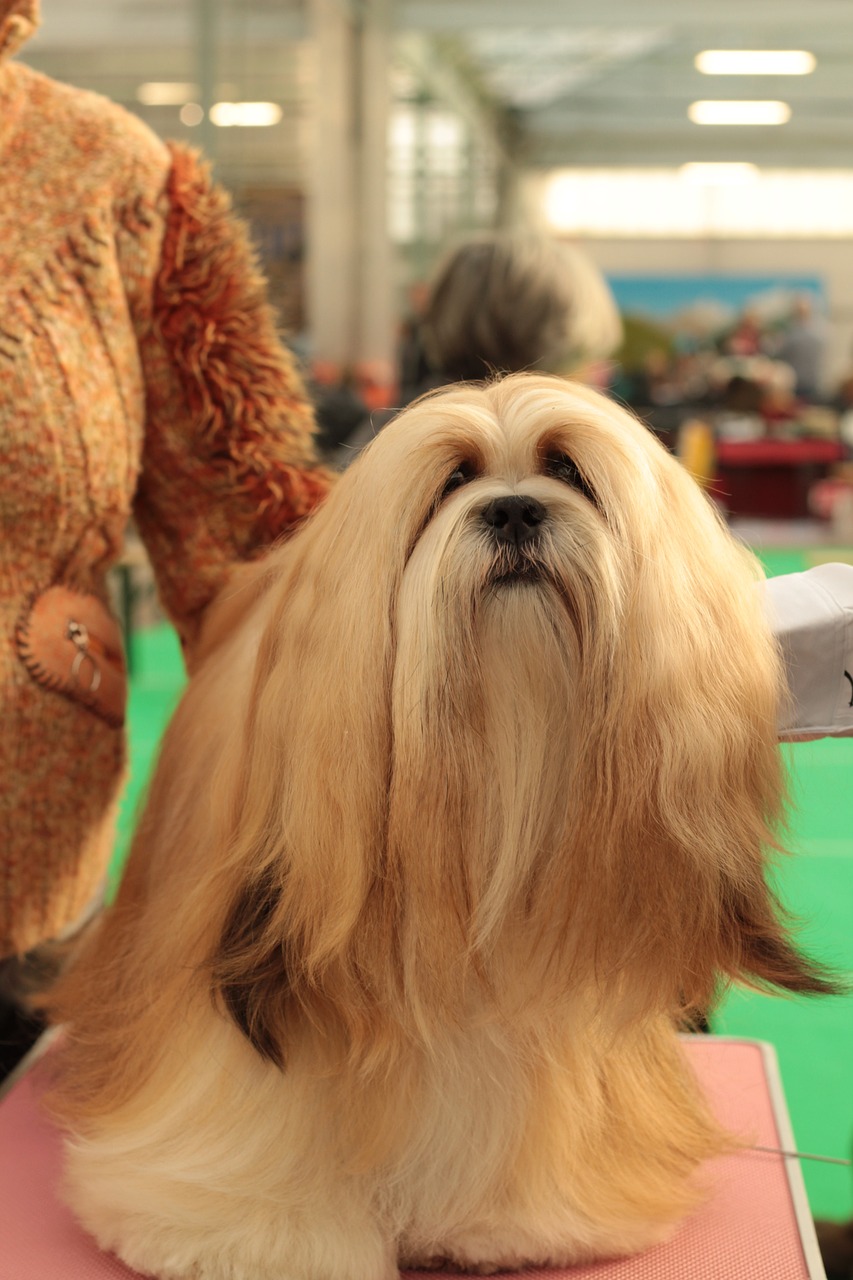
Pekingese are small dogs with a unique, lion-like appearance. They have a long, flowing double coat that comes in various colors, including gold, red, sable, and black. Their large, dark eyes and short, flat faces give them a distinctive look. Pekingese have a sturdy build with a broad chest and short legs. Their tails are feathered and carried over their backs.
Despite their small size, Pekingese are surprisingly sturdy and can be quite agile. They enjoy short walks and playtime but are generally low-energy dogs. Their compact size makes them well-suited for apartment living. However, their flat faces mean they are prone to overheating, so exercise should be done with care, especially in hot weather.
Pekingese are known for their loyal and affectionate nature. They form strong bonds with their families and are excellent companion dogs. They are intelligent and can be independent, sometimes displaying a stubborn streak. Pekingese are generally calm and good with children, but they can be reserved around strangers and other animals. Early socialization is important to ensure they are well-adjusted.
Pekingese require regular grooming to maintain their long, double coat. Daily brushing helps prevent mats and tangles. Regular bathing and trimming around the eyes and face are also necessary. Due to their flat faces, Pekingese can be prone to respiratory issues, so it’s important to monitor their breathing, especially in hot and humid conditions. Regular vet check-ups are essential to keep them healthy.
Major concerns: brachycephalic syndrome, patellar luxation
Minor concerns: entropion, exposure keratopathy syndrome
Occasionally seen: intervertebral disc disease (IVDD)
Suggested tests: eye, knee, respiratory
Life span: 12–14 years
The Pekingese has a storied history as a cherished companion of Chinese royalty. Bred to resemble the mythical Chinese lion, they were highly prized in the imperial court. Over time, their distinct appearance and loyal nature made them popular around the world. Today, the Pekingese is celebrated for its regal look, affectionate nature, and calm demeanor, making it a beloved choice for dog lovers.