The Plott Hound originated in the United States and is the only coonhound breed that does not trace its ancestry back to English hounds. Named after the Plott family who brought German Hanoverian Hounds to North Carolina in the 18th century, this breed was developed for hunting wild boar and other large game. The Plott Hound is known for its determination, strength, and intelligence.
Energy Level
Natural energy and enthusiasm throughout the day.
Exercise Needs
Amount of physical activity required to stay healthy.
Playfulness
Willingness to play and engage in games.
Affection Level
Tendency to show affection toward humans.
Dog Friendliness
Friendliness and tolerance toward other dogs.
Pet Friendliness
How well this pet gets along with other animals.
Stranger Friendliness
Reaction toward unfamiliar people.
Ease of Training
How easy it is to train and teach commands.
Watchfulness
Alertness and tendency to notice surroundings.
Vocality
Tendency to bark, meow, or make other sounds.
Grooming Requirements
Level of grooming effort needed on a regular basis.
Heat Sensitivity
Sensitivity to hot weather conditions.
Cold Tolerance
Ability to withstand cold temperatures.
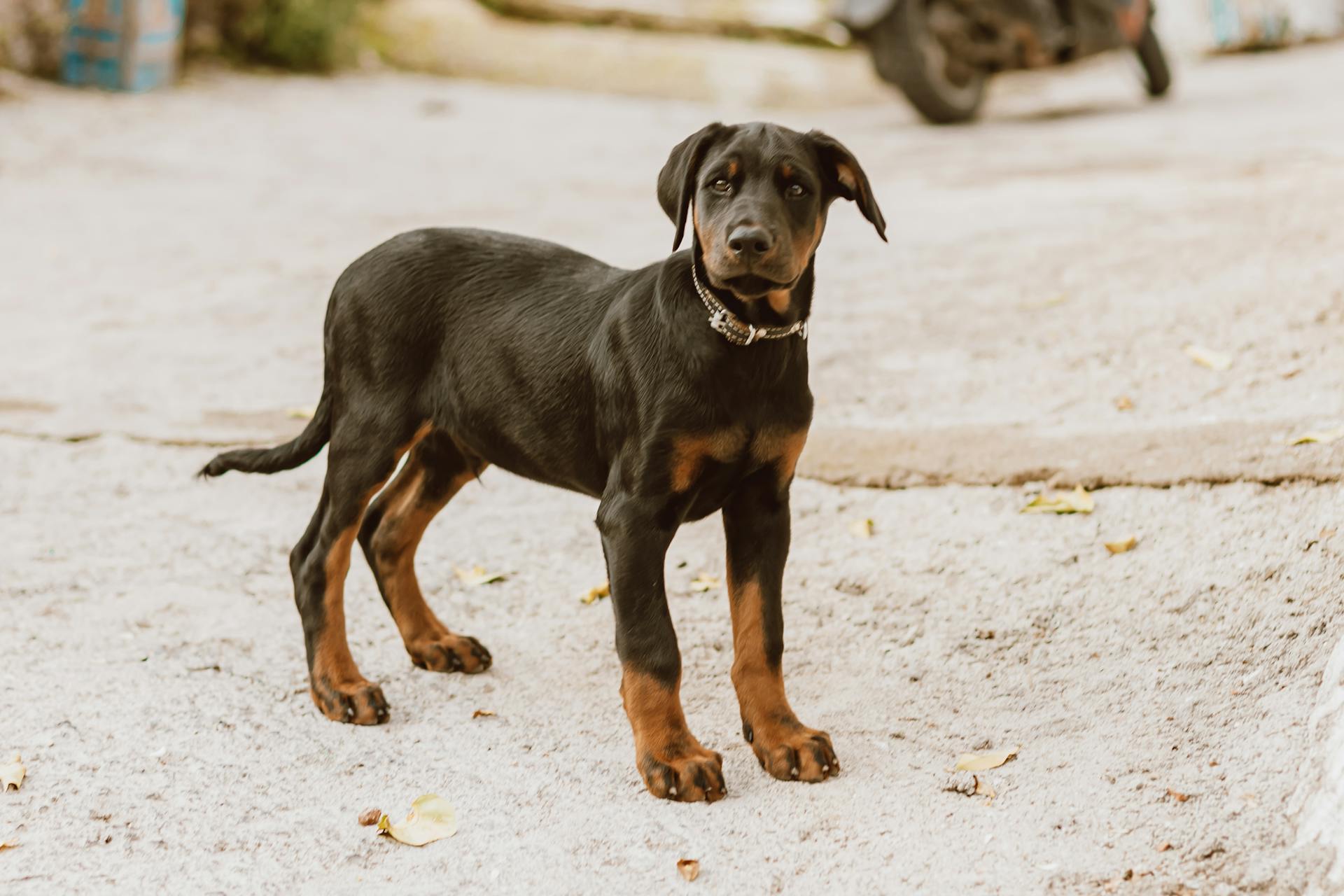
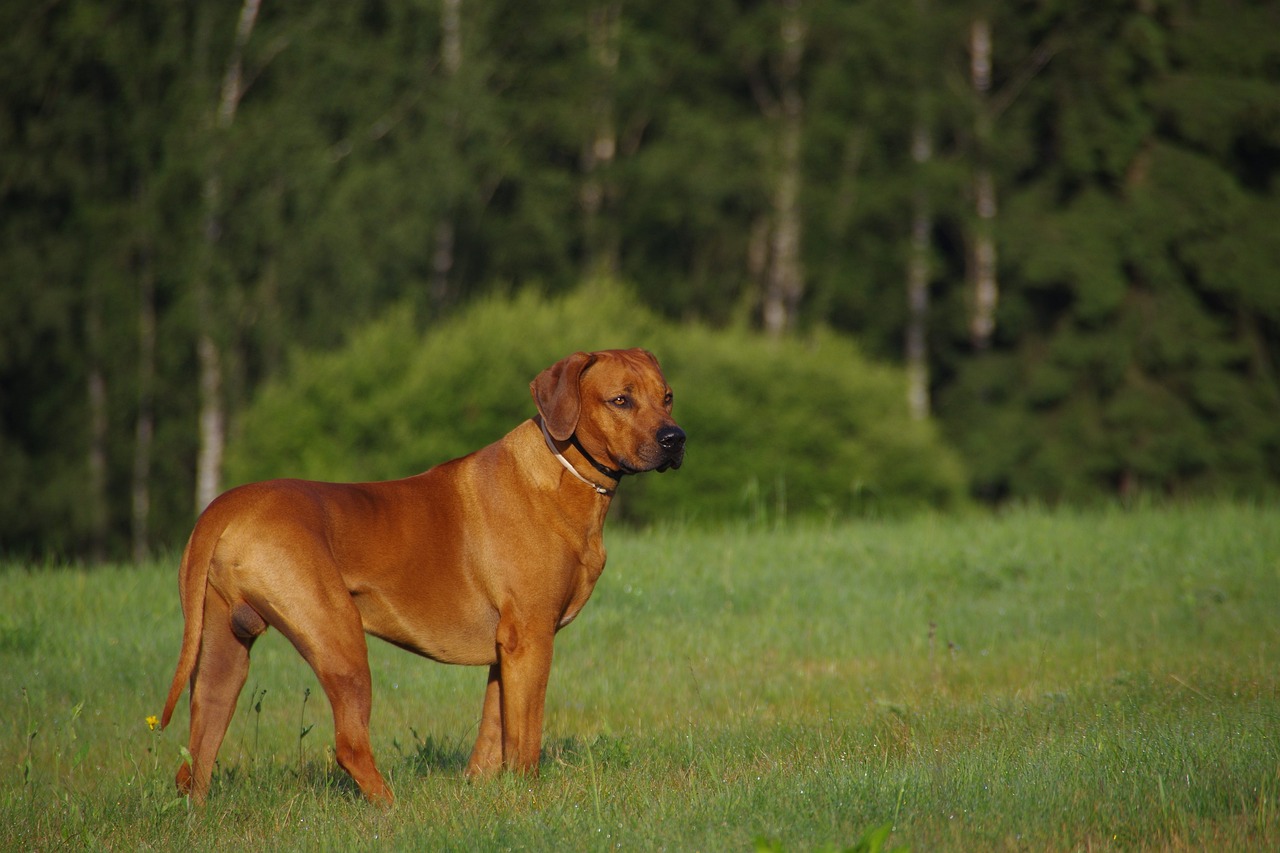
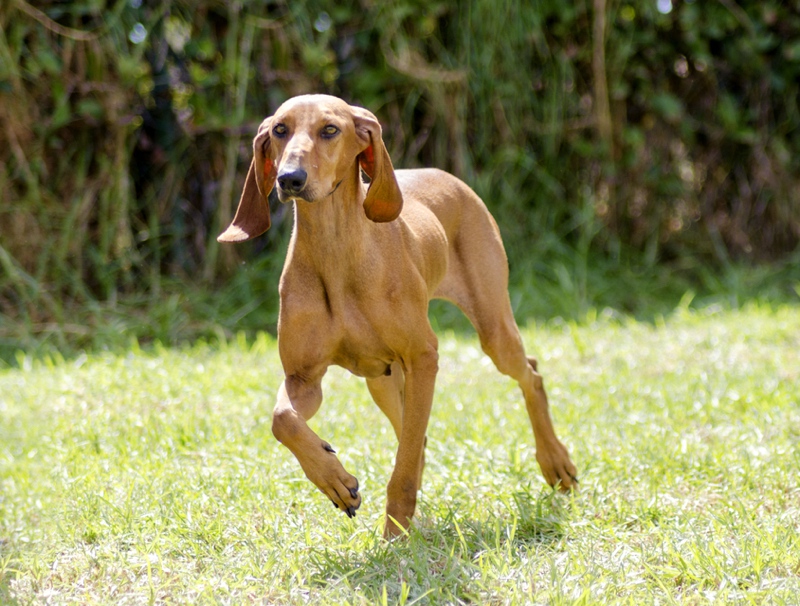
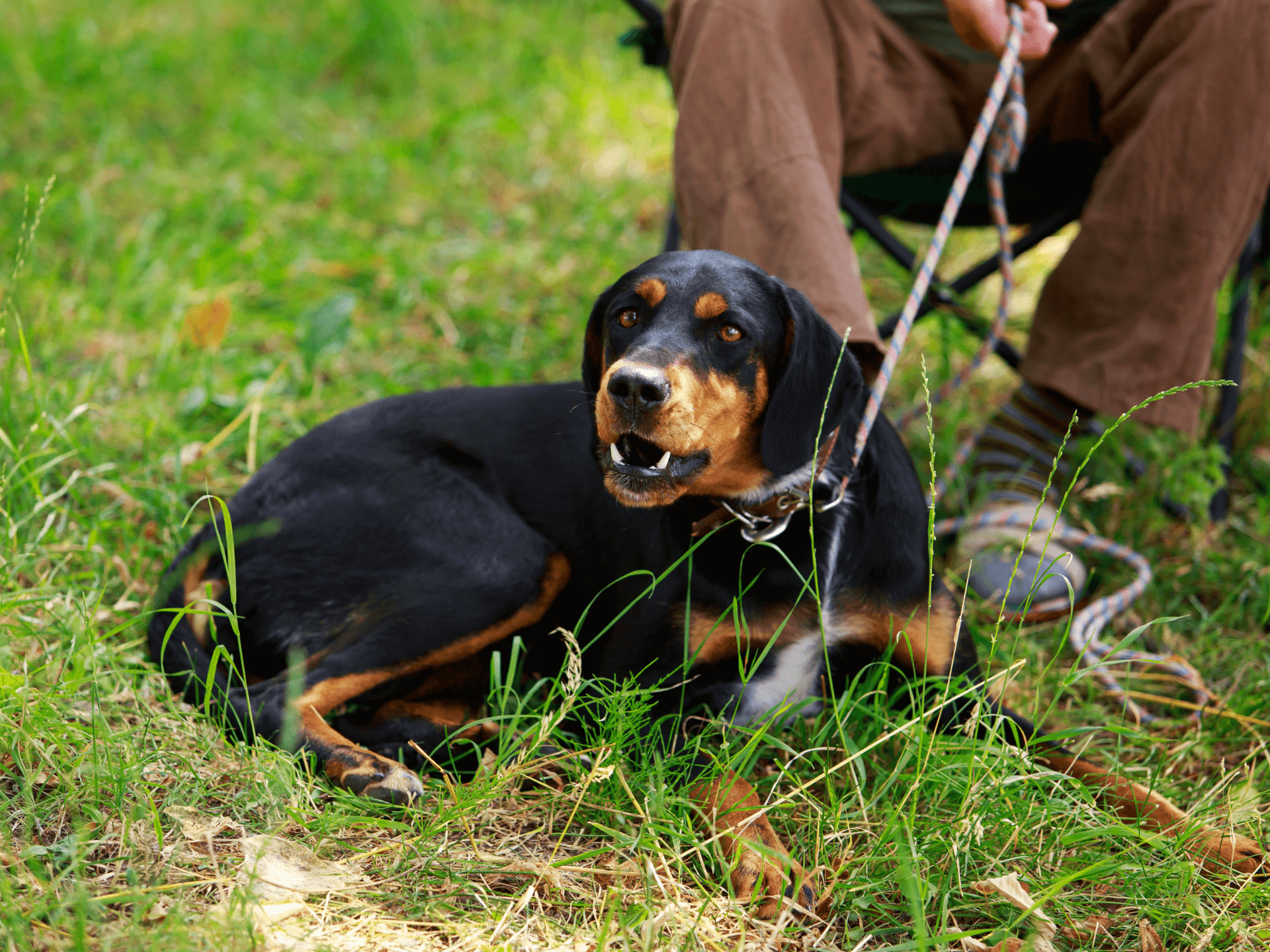
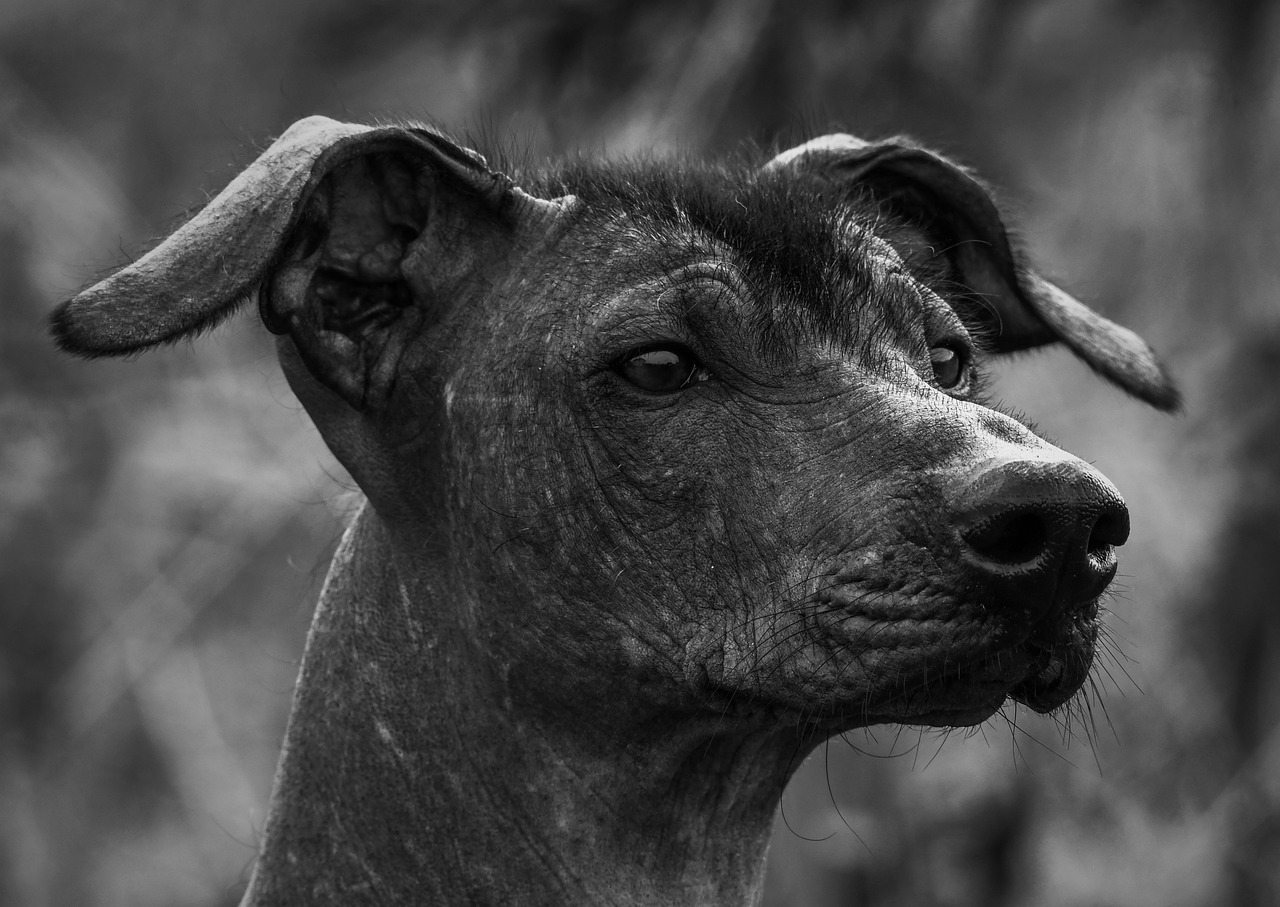
The Plott Hound is known for its muscular build and distinctive brindle coat. Their fur can be smooth or coarse, typically brindle in color but can also be black, tan, or a combination. They have medium-sized, floppy ears and expressive eyes that convey intelligence and determination. This breed’s medium to large size and robust physique make it well-suited for various working environments.
The Plott Hound is a highly active breed, excelling in activities that require endurance and strength, such as hunting, tracking, and participating in dog sports. They naturally enjoy working and need plenty of exercise and mental stimulation. This breed is ideal for families who enjoy outdoor activities and have ample space for them to roam and play.
The Plott Hound is known for its loyal and protective nature. They form strong bonds with their families and are affectionate and loyal. This breed is intelligent and confident, but can be independent and stubborn at times, requiring consistent and firm training. Plott Hounds get along well with children and can be socialized with other pets if introduced properly.
The Plott Hound’s coat is relatively low-maintenance, requiring only occasional brushing. They need plenty of exercise to stay physically and mentally healthy. Daily walks, runs, or playtime are essential. Regular vet check-ups and a proper diet help keep them healthy and long-lived.
Major concerns: Hip dysplasia, gastric torsion
Minor concerns: Ear infections, allergies
Occasionally seen: Bloat
Recommended tests: Hips, eyes
Lifespan: 12–14 years
The Plott Hound has a rich history as a hunting dog in the United States. Developed by the Plott family in North Carolina, this breed is known for its strength, intelligence, and excellent hunting abilities. Today, the Plott Hound continues to be valued for its loyalty, determination, and versatility in various roles.