The Pomeranian, often affectionately referred to as a “Pom,” originated in the Pomerania region of Northern Europe, which is now part of Poland and Germany. Originally bred from large sled dogs, the breed was significantly downsized in the 19th century. Queen Victoria of England played a significant role in popularizing the smaller Pomeranians we know today.
Energy Level
Natural energy and enthusiasm throughout the day.
Exercise Needs
Amount of physical activity required to stay healthy.
Playfulness
Willingness to play and engage in games.
Affection Level
Tendency to show affection toward humans.
Dog Friendliness
Friendliness and tolerance toward other dogs.
Pet Friendliness
How well this pet gets along with other animals.
Stranger Friendliness
Reaction toward unfamiliar people.
Ease of Training
How easy it is to train and teach commands.
Watchfulness
Alertness and tendency to notice surroundings.
Vocality
Tendency to bark, meow, or make other sounds.
Grooming Requirements
Level of grooming effort needed on a regular basis.
Heat Sensitivity
Sensitivity to hot weather conditions.
Cold Tolerance
Ability to withstand cold temperatures.
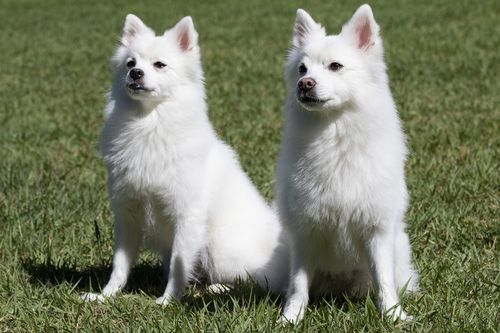
Pomeranians are small dogs with a distinctive fluffy double coat, which comes in a variety of colors, including orange, black, white, blue, red, and more. They have a fox-like face with alert, dark eyes and small, erect ears. Pomeranians have a compact, sturdy build and a high-set tail that curls over their back, adding to their overall charming appearance.
Despite their small size, Pomeranians are energetic and agile dogs. They have a lively and spirited gait, and they enjoy activities such as playtime, short walks, and agility training. Regular exercise is important to keep them healthy and mentally stimulated.
Pomeranians are known for their bold and lively personality. They are intelligent, curious, and enjoy being the center of attention. Their playful and affectionate nature makes them great companions for families, singles, and seniors alike. Pomeranians are also known for their loyalty and can be quite protective of their owners.
Pomeranians require regular grooming to maintain their fluffy coat and prevent matting. This includes brushing several times a week and occasional trimming. Due to their small size, they can be prone to dental issues, so regular teeth cleaning is important. Pomeranians are generally healthy dogs but should have regular veterinary check-ups to monitor for common health issues.
Major concerns: patellar luxation, collapsing trachea
Minor concerns: dental issues, alopecia
Occasionally seen: hip dysplasia, hypothyroidism
Suggested tests: knee, trachea, dental
Life span: 12–16 years
The Pomeranian’s history as a beloved companion to royalty and nobility has made it a cherished breed worldwide. Its vivacious nature and distinctive appearance have earned it a special place in many households. The breed’s legacy as a loving and entertaining companion continues to endear it to dog lovers everywhere.