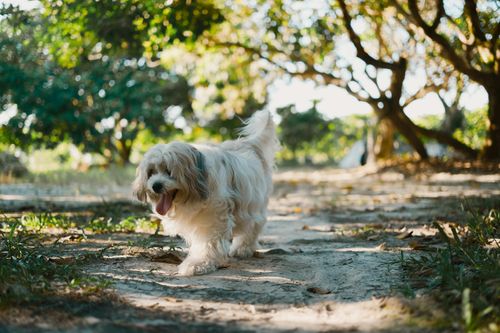
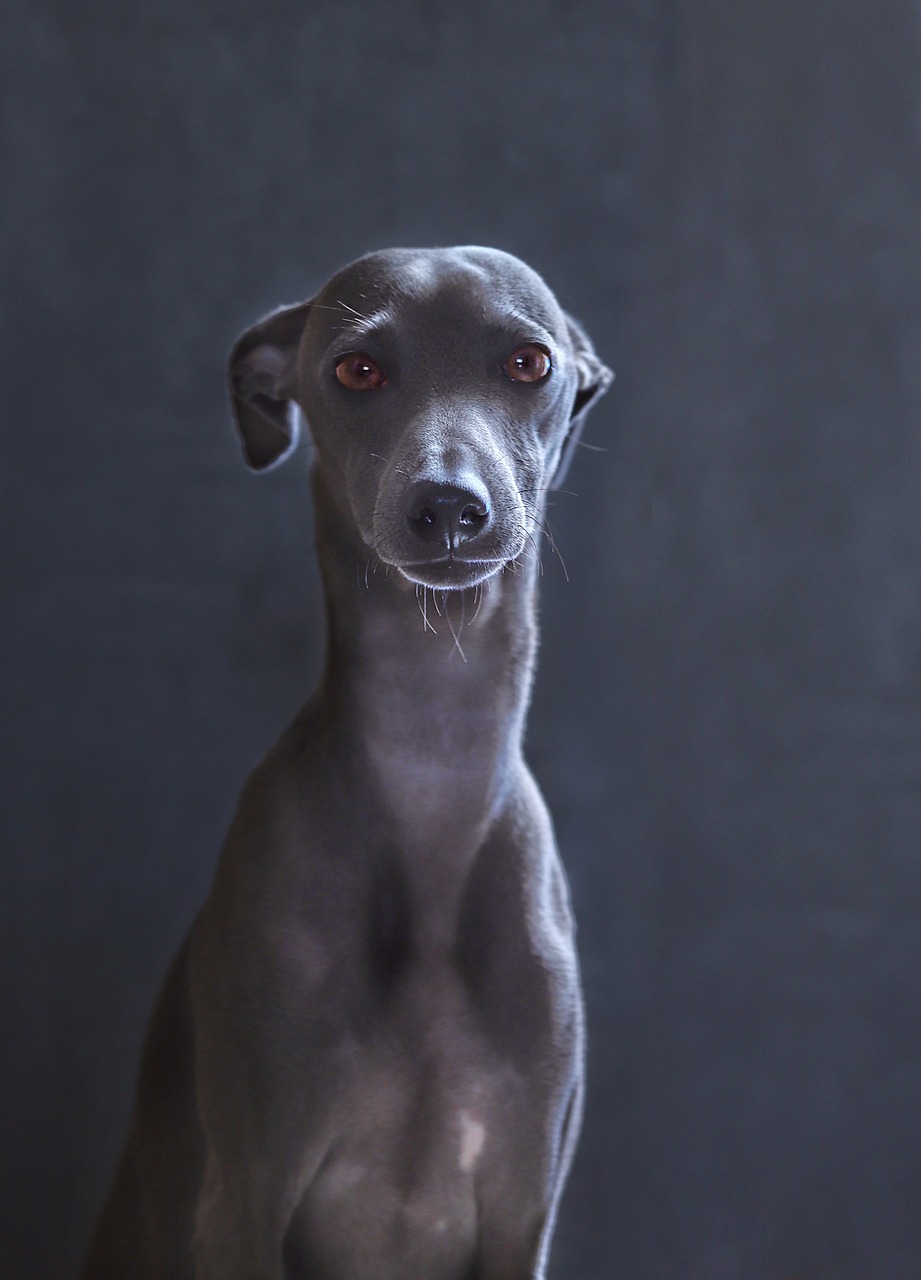
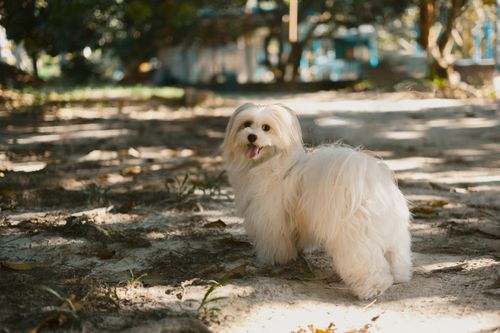
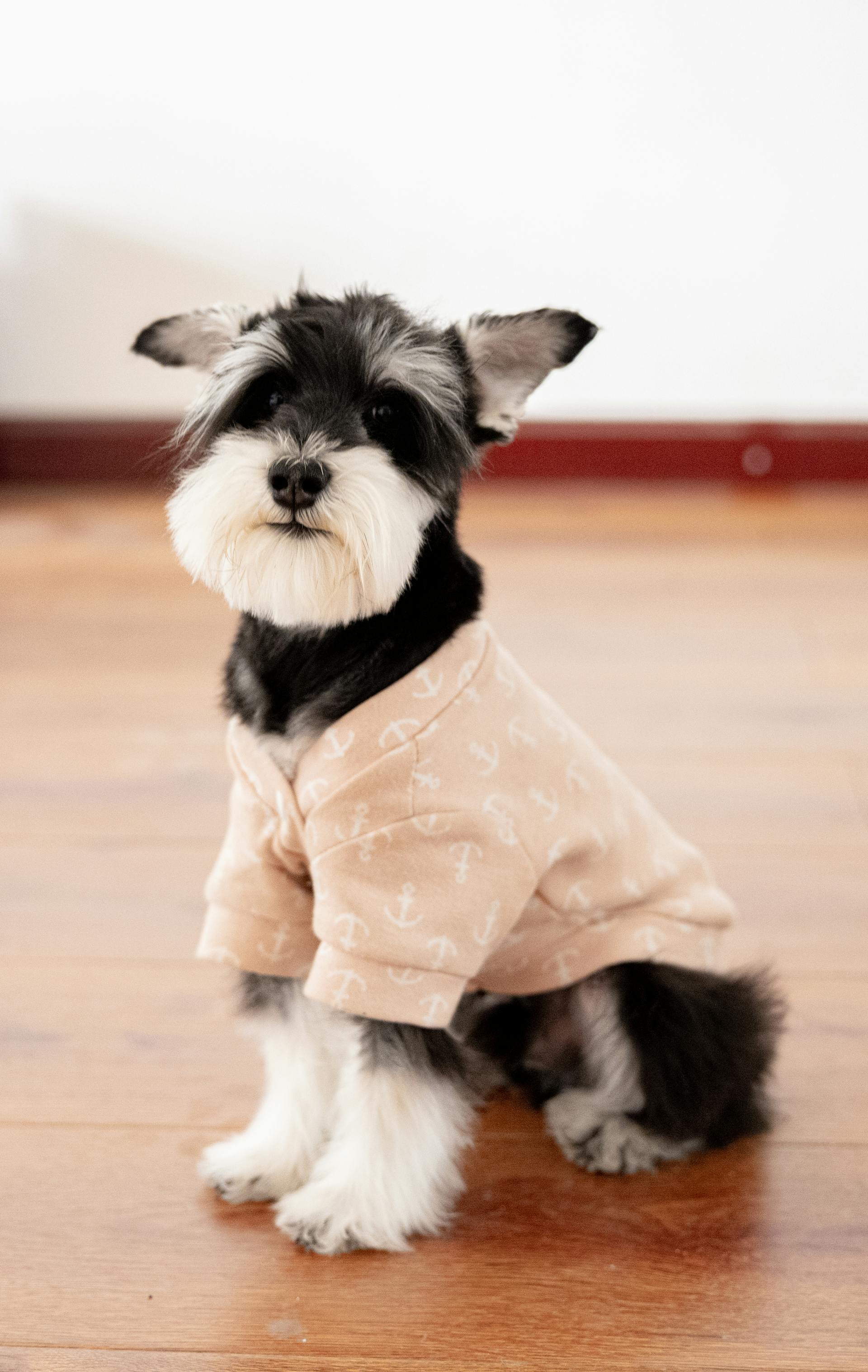
The Russian Toy, also known as the Russkiy Toy, originated in Russia during the 18th century. Bred initially to control rodent populations, this small breed quickly became a beloved companion for the Russian aristocracy. The breed comes in two coat types: smooth and long-haired, both of which add to its distinctive and charming appearance.
Energy Level
Natural energy and enthusiasm throughout the day.
Exercise Needs
Amount of physical activity required to stay healthy.
Playfulness
Willingness to play and engage in games.
Affection Level
Tendency to show affection toward humans.
Dog Friendliness
Friendliness and tolerance toward other dogs.
Pet Friendliness
How well this pet gets along with other animals.
Stranger Friendliness
Reaction toward unfamiliar people.
Ease of Training
How easy it is to train and teach commands.
Watchfulness
Alertness and tendency to notice surroundings.
Vocality
Tendency to bark, meow, or make other sounds.
Grooming Requirements
Level of grooming effort needed on a regular basis.
Heat Sensitivity
Sensitivity to hot weather conditions.
Cold Tolerance
Ability to withstand cold temperatures.
Russian Toys are very small dogs, weighing between 3 to 6 pounds and standing about 8 to 10 inches tall. They have a delicate and elegant build with a fine-boned structure. Their eyes are large, expressive, and typically dark, giving them a soulful look. The ears are set high and are either erect or slightly tipped, adding to their alert and lively expression. Their coat can be smooth and shiny or long and flowing, with a variety of colors including black, brown, and blue, often with tan markings.
Despite their small size, Russian Toys are highly active and agile. They possess a light, effortless gait and enjoy activities that involve running and playing. These dogs excel in agility and obedience trials due to their quick reflexes and high energy levels. Their lively nature makes them excellent companions for families who enjoy an active lifestyle.
Russian Toys are known for their affectionate and loyal nature. They form strong bonds with their owners and enjoy being close to their families. These dogs are intelligent and eager to learn, making them highly trainable. They have a playful demeanor and get along well with children and other pets if properly socialized from a young age. However, they can be a bit reserved with strangers, displaying a protective instinct.
Russian Toys require moderate exercise to keep them physically and mentally stimulated. Short walks, play sessions, and interactive toys are ideal for keeping them happy and healthy. Their coat needs regular brushing, especially the long-haired variety, to prevent tangles and mats. Regular vet check-ups are essential to monitor their health, and due to their small size, they are best suited to indoor living where they can stay safe and warm.
Major concerns: patellar luxation, dental issues
Minor concerns: progressive retinal atrophy (PRA)
Occasionally seen: hypothyroidism
Suggested tests: patella, eye, thyroid
Life span: 12-14 years
The Russian Toy’s history as a cherished companion for the Russian aristocracy has contributed to its reputation as a delightful and loyal pet. Despite its small size, this breed’s lively and intelligent nature has made it a favorite among dog enthusiasts. Today, the Russian Toy continues to be valued for its affectionate personality and charming appearance, making it a beloved choice for families worldwide.