The Samoyed is an ancient breed originating from Siberia, where it was developed by the Samoyede people. These nomadic reindeer herders bred the Samoyed for its strength, endurance, and ability to work in harsh conditions. The breed was used for herding reindeer, pulling sleds, and keeping their owners warm by sleeping on top of them during cold nights.
Energy Level
Natural energy and enthusiasm throughout the day.
Exercise Needs
Amount of physical activity required to stay healthy.
Playfulness
Willingness to play and engage in games.
Affection Level
Tendency to show affection toward humans.
Dog Friendliness
Friendliness and tolerance toward other dogs.
Pet Friendliness
How well this pet gets along with other animals.
Stranger Friendliness
Reaction toward unfamiliar people.
Ease of Training
How easy it is to train and teach commands.
Watchfulness
Alertness and tendency to notice surroundings.
Vocality
Tendency to bark, meow, or make other sounds.
Grooming Requirements
Level of grooming effort needed on a regular basis.
Heat Sensitivity
Sensitivity to hot weather conditions.
Cold Tolerance
Ability to withstand cold temperatures.
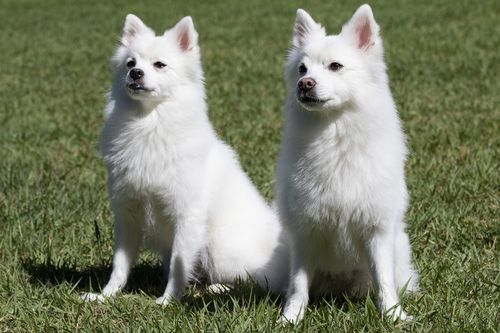
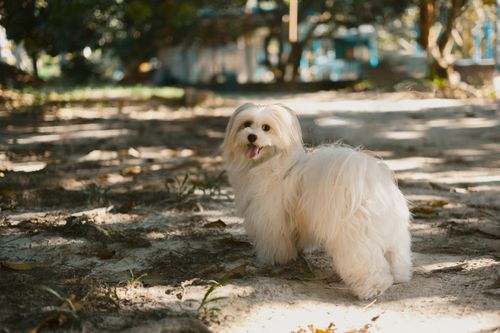
Samoyeds are known for their striking white, fluffy double coat, which protects them from extreme cold. They have a distinctive “Sammy smile,” a result of their upturned corners of the mouth, which prevents drooling and the formation of icicles. Their eyes are almond-shaped and dark, radiating a friendly and intelligent expression. Samoyeds are robust and well-muscled, with a balanced and graceful appearance.
Samoyeds are energetic and athletic dogs, known for their agility and strength. They have a smooth, powerful gait and require regular exercise to stay healthy and happy. Activities like hiking, running, and sledding are excellent for keeping them fit and mentally stimulated.
Samoyeds are renowned for their friendly and gentle temperament. They are sociable dogs that thrive on human companionship and are excellent with children and other pets. Their intelligence and eagerness to please make them highly trainable, although they can be independent thinkers. Early socialization and consistent training are key to ensuring they are well-adjusted and well-behaved.
The Samoyed’s thick double coat requires regular grooming to prevent matting and to keep it looking its best. This includes brushing several times a week and more frequent grooming during shedding seasons. Regular exercise is crucial to maintain their physical and mental well-being. Samoyeds are generally healthy dogs but should have regular veterinary check-ups to monitor for common health issues like hip dysplasia and eye conditions.
Major concerns: hip dysplasia, progressive retinal atrophy (PRA)
Minor concerns: diabetes, hypothyroidism
Occasionally seen: cardiac issues
Suggested tests: hip, eye, thyroid
Life span: 12–14 years
The Samoyed’s history as a versatile working dog has made it a beloved breed worldwide. Its friendly nature and striking appearance have made it a popular choice as a family pet and show dog. The breed’s legacy as a loyal and hardworking companion continues to endear it to dog lovers around the globe.