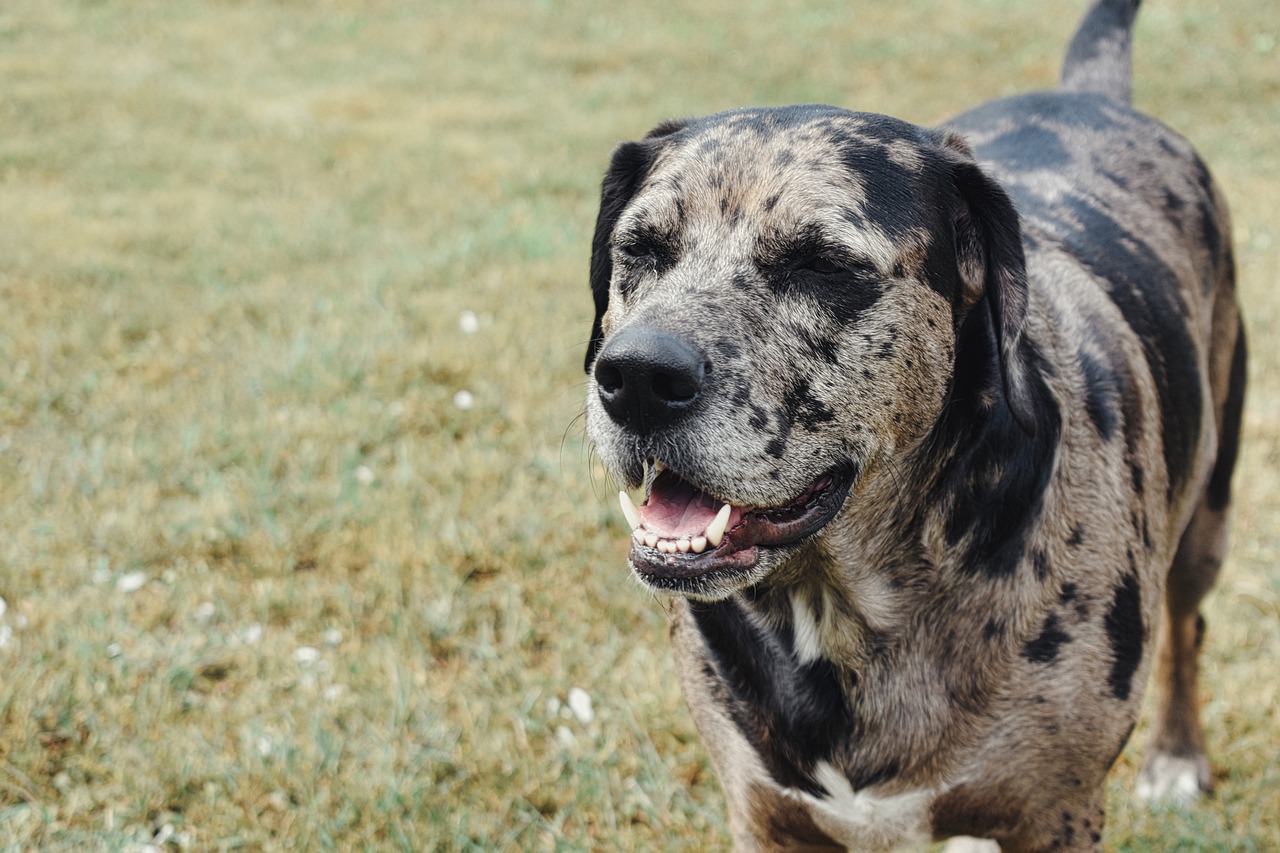
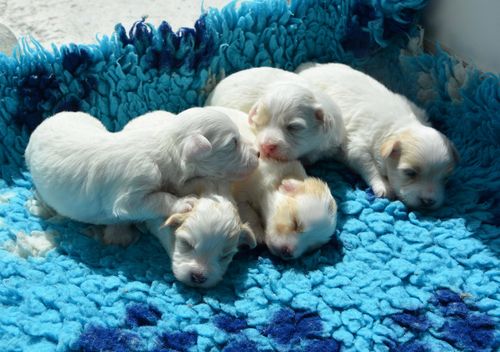
The Schipperke, often referred to as the “little captain,” originated in Belgium. This breed was developed in the late 19th century as a barge dog, guarding the boats and cargo along the canals. Known for their agility, alertness, and fearless nature, Schipperkes quickly became popular both as working dogs and beloved companions.
Energy Level
Natural energy and enthusiasm throughout the day.
Exercise Needs
Amount of physical activity required to stay healthy.
Playfulness
Willingness to play and engage in games.
Affection Level
Tendency to show affection toward humans.
Dog Friendliness
Friendliness and tolerance toward other dogs.
Pet Friendliness
How well this pet gets along with other animals.
Stranger Friendliness
Reaction toward unfamiliar people.
Ease of Training
How easy it is to train and teach commands.
Watchfulness
Alertness and tendency to notice surroundings.
Vocality
Tendency to bark, meow, or make other sounds.
Grooming Requirements
Level of grooming effort needed on a regular basis.
Heat Sensitivity
Sensitivity to hot weather conditions.
Cold Tolerance
Ability to withstand cold temperatures.
Schipperkes are small, sturdy dogs with a distinctive fox-like face. They have a thick double coat that is always black, giving them a sleek and polished appearance. Their ears are erect and pointed, and their eyes are dark and expressive. Schipperkes have a well-proportioned body with a deep chest and a distinctive ruff of fur around their necks.
Despite their small size, Schipperkes are incredibly agile and energetic. They excel in activities that require speed and dexterity, such as agility trials and obedience competitions. Regular exercise is essential to keep them physically fit and mentally stimulated. They enjoy running, playing fetch, and engaging in interactive games.
The Schipperke is known for its inquisitive and fearless personality. They form strong bonds with their families and are very loyal and protective. This breed is intelligent and independent, often displaying a curious and adventurous spirit. Schipperkes are generally good with children and can get along well with other pets if properly socialized. Their alertness and watchdog instincts make them excellent guard dogs.
The thick coat of the Schipperke requires regular grooming to keep it clean and free of tangles. They should be brushed several times a week. Regular exercise is important to maintain their physical and mental well-being. Regular vet check-ups, a balanced diet, and good dental care are crucial to maintain their overall health.
Major concerns: Legg-Calve-Perthes disease, hypothyroidism
Minor concerns: Epilepsy, eye issues
Occasionally seen: Patellar luxation
Recommended tests: Hips, thyroid, eyes
Lifespan: 12–15 years
The Schipperke has a rich history as a working dog in Belgium. Bred for their agility and alertness, these dogs were invaluable for guarding barges and cargo. Today, Schipperkes continue to be cherished for their intelligence, loyalty, and fearless nature, making them beloved family pets and reliable watchdogs.