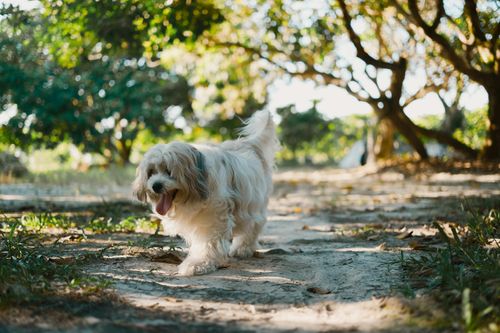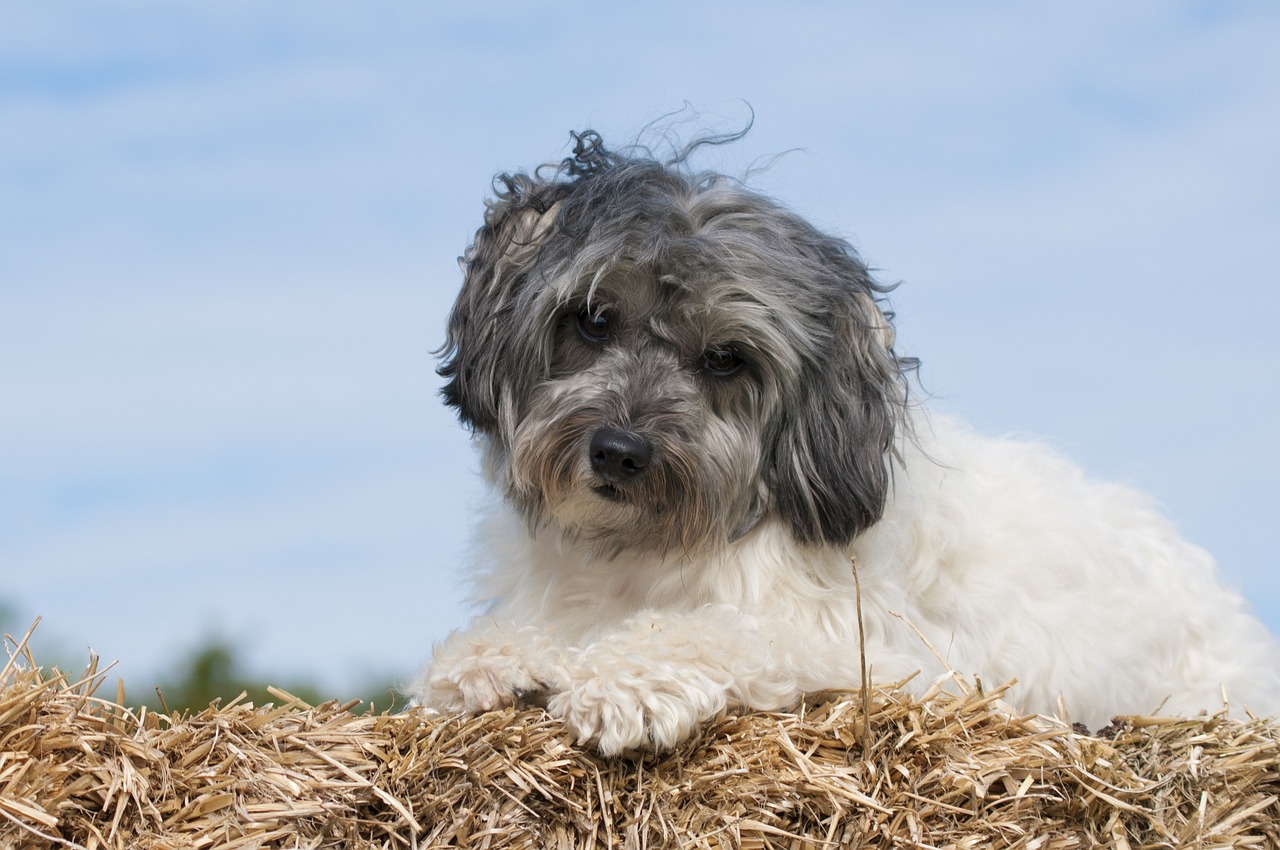
The Shih Tzu, often called the Lion Dog, is believed to have ancient origins. It was originally bred by Tibetan monks and later presented as a treasured gift to the Chinese imperial court. During the Qing Dynasty, Shih Tzus were especially favored as palace companions.
The name “Shih Tzu” means “lion”, reflecting both their dignified status and distinctive appearance.
Energy Level
Natural energy and enthusiasm throughout the day.
Exercise Needs
Amount of physical activity required to stay healthy.
Playfulness
Willingness to play and engage in games.
Affection Level
Tendency to show affection toward humans.
Dog Friendliness
Friendliness and tolerance toward other dogs.
Pet Friendliness
How well this pet gets along with other animals.
Stranger Friendliness
Reaction toward unfamiliar people.
Ease of Training
How easy it is to train and teach commands.
Watchfulness
Alertness and tendency to notice surroundings.
Vocality
Tendency to bark, meow, or make other sounds.
Grooming Requirements
Level of grooming effort needed on a regular basis.
Heat Sensitivity
Sensitivity to hot weather conditions.
Cold Tolerance
Ability to withstand cold temperatures.
Coat colors vary widely, and regular grooming is essential to maintain the coat’s health and elegance.
While not built for intense physical activity, their cheerful energy and playful spirit make them delightful companions for light daily exercise.
Their gentle and loyal nature makes them particularly well-suited for families, seniors, and apartment living.
Special attention should be given to eye and facial cleaning, as their facial structure makes them prone to irritation.
Although exercise needs are modest, daily interaction and play are essential for their emotional well-being.
Secondary concerns: Ear infections, eye disorders
Occasional issues: Breathing difficulties, dental problems
Recommended screenings: Hips, eyes, dental health
Average lifespan: 10–16 years
Once introduced to the Western world, the Shih Tzu quickly gained popularity thanks to its charming personality, elegant appearance, and rich historical legacy. Today, it is celebrated worldwide as both a show dog and a beloved household companion.