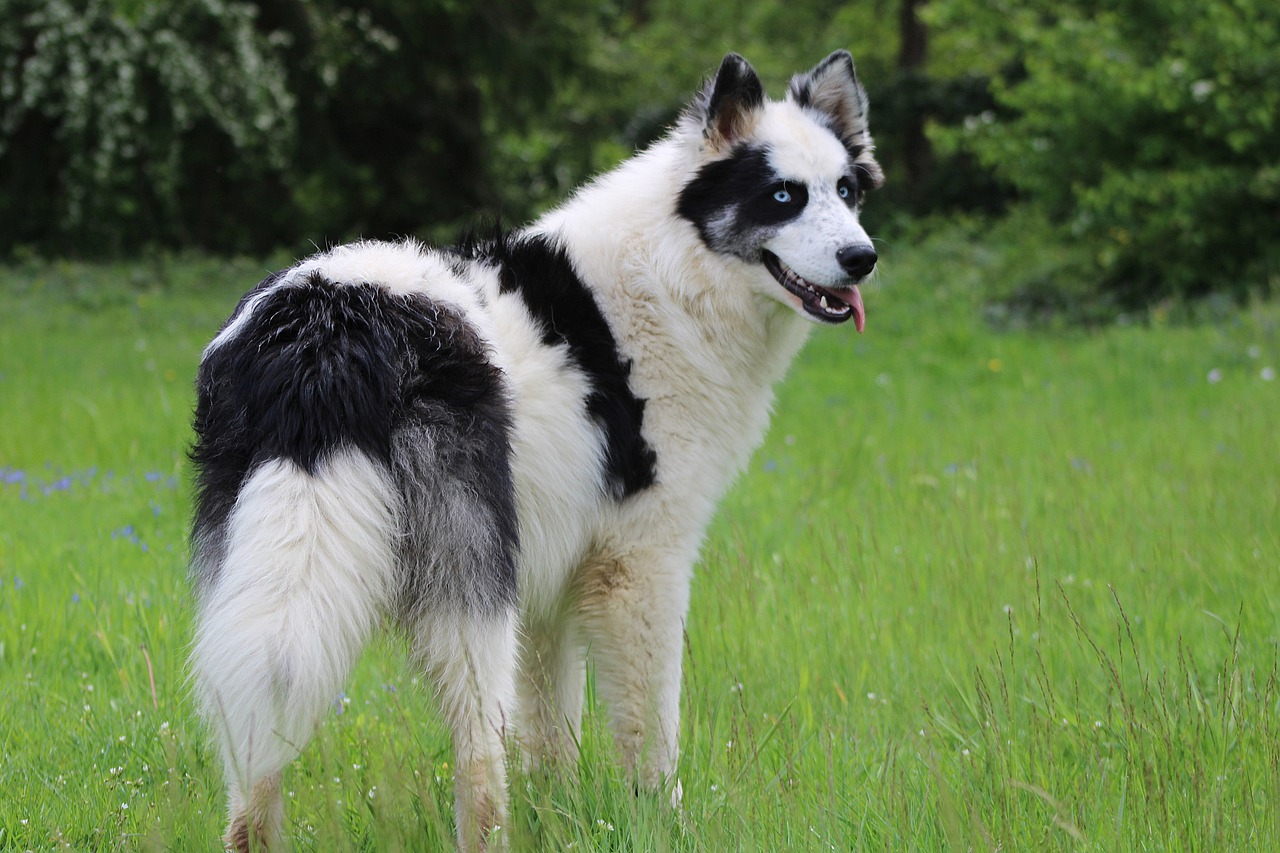
The Siberian Husky, originally bred by the Chukchi people of Siberia, was developed to pull sleds over long distances in harsh and freezing conditions. This breed’s endurance, strength, and ability to work in extreme climates made it an invaluable companion for the Chukchi. The Siberian Husky gained worldwide fame when it played a crucial role in the 1925 serum run to Nome, Alaska, demonstrating its exceptional stamina and resilience.
Energy Level
Natural energy and enthusiasm throughout the day.
Exercise Needs
Amount of physical activity required to stay healthy.
Playfulness
Willingness to play and engage in games.
Affection Level
Tendency to show affection toward humans.
Dog Friendliness
Friendliness and tolerance toward other dogs.
Pet Friendliness
How well this pet gets along with other animals.
Stranger Friendliness
Reaction toward unfamiliar people.
Ease of Training
How easy it is to train and teach commands.
Watchfulness
Alertness and tendency to notice surroundings.
Vocality
Tendency to bark, meow, or make other sounds.
Grooming Requirements
Level of grooming effort needed on a regular basis.
Heat Sensitivity
Sensitivity to hot weather conditions.
Cold Tolerance
Ability to withstand cold temperatures.
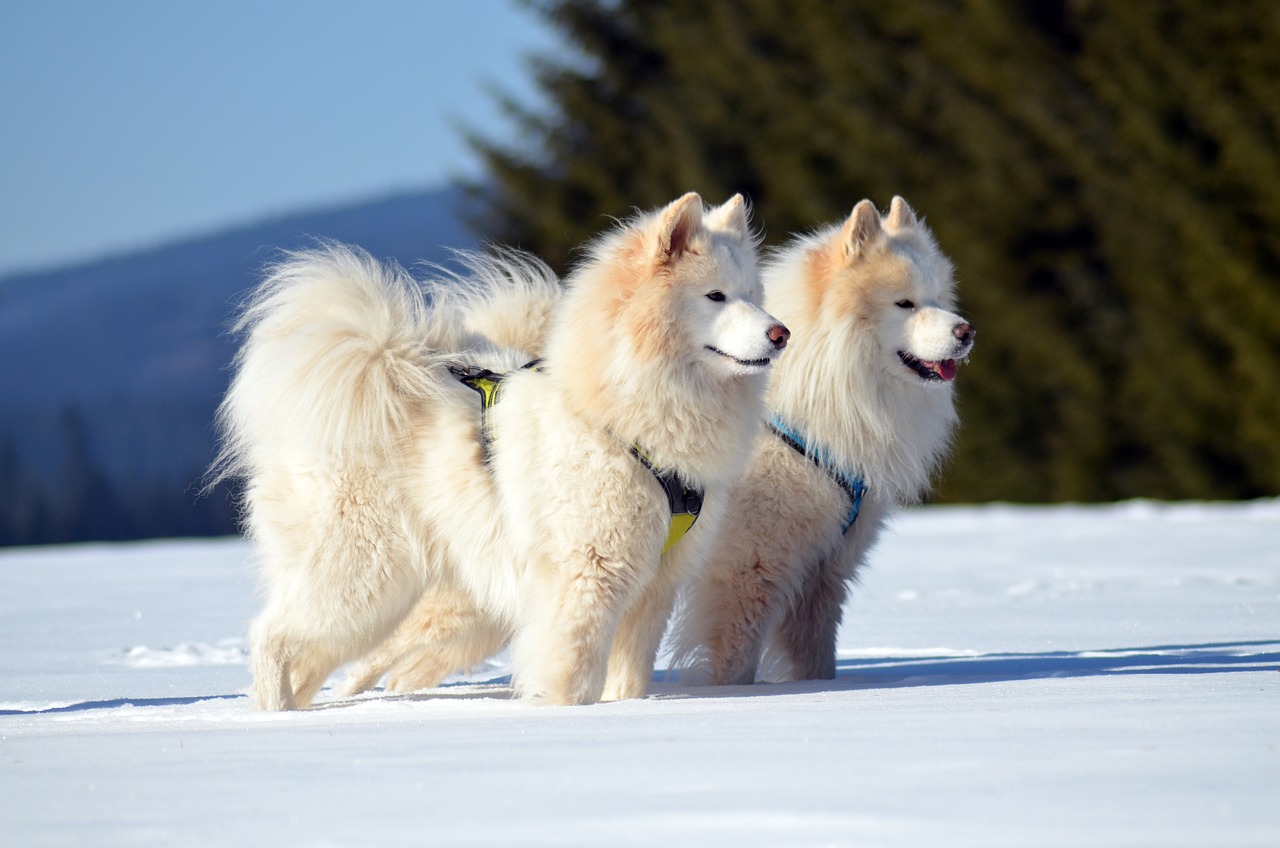
Siberian Huskies are medium to large-sized dogs with a strong, athletic build and a distinctive appearance. They have a thick double coat that provides insulation against cold weather, with colors ranging from black to pure white, often with striking facial markings. Their almond-shaped eyes can be blue, brown, or a combination of both, giving them a captivating and expressive look. Huskies have erect triangular ears and a bushy tail that curls over their back.
Siberian Huskies are known for their exceptional endurance and agility. They possess a smooth, effortless gait that allows them to cover long distances efficiently. These dogs excel in activities that involve running and pulling, such as sledding, skijoring, and carting. Their high energy levels and love for physical activity make them ideal companions for active individuals and families who enjoy outdoor adventures.
Siberian Huskies are friendly and outgoing dogs, known for their gentle and playful nature. They are social animals that thrive on companionship and enjoy being part of a pack, whether it’s with other dogs or their human family. Huskies are intelligent and independent, which can sometimes translate to a stubborn streak. Consistent and positive training is essential to harness their intelligence and keep them engaged. They are generally good with children and can coexist peacefully with other pets if properly socialized from a young age.
Siberian Huskies require regular exercise to keep them physically fit and mentally stimulated. They enjoy activities like running, hiking, and interactive play. Their thick double coat requires regular brushing, especially during shedding seasons, to maintain its health and appearance. Regular vet check-ups are necessary to monitor for common health issues. Due to their energetic nature, Huskies are best suited to homes with ample space for them to run and play.
Major concerns: hip dysplasia, progressive retinal atrophy (PRA), juvenile cataracts
Minor concerns: hypothyroidism
Occasionally seen: zinc-responsive dermatosis
Suggested tests: hip, eye, thyroid
Life span: 12–14 years
The Siberian Husky’s history as a sled dog in the harsh conditions of Siberia and Alaska has shaped its reputation as a resilient and dependable breed. Originally bred by the Chukchi people for transportation and survival, the Husky’s incredible endurance and work ethic have made it a favorite in various working roles, including search and rescue, therapy, and competitive dog sports. Today, the Siberian Husky continues to be cherished for its friendly nature, striking appearance, and boundless energy, making it a popular choice for active dog lovers around the world.