The Skye Terrier originated in the Isle of Skye in Scotland and has a history dating back to the 16th century. This breed was developed to hunt and exterminate vermin, such as rats and foxes, in the rugged terrains of Scotland. Known for their tenacity and bravery, Skye Terriers were favored by Scottish nobility and even Queen Victoria.
Energy Level
Natural energy and enthusiasm throughout the day.
Exercise Needs
Amount of physical activity required to stay healthy.
Playfulness
Willingness to play and engage in games.
Affection Level
Tendency to show affection toward humans.
Dog Friendliness
Friendliness and tolerance toward other dogs.
Pet Friendliness
How well this pet gets along with other animals.
Stranger Friendliness
Reaction toward unfamiliar people.
Ease of Training
How easy it is to train and teach commands.
Watchfulness
Alertness and tendency to notice surroundings.
Vocality
Tendency to bark, meow, or make other sounds.
Grooming Requirements
Level of grooming effort needed on a regular basis.
Heat Sensitivity
Sensitivity to hot weather conditions.
Cold Tolerance
Ability to withstand cold temperatures.
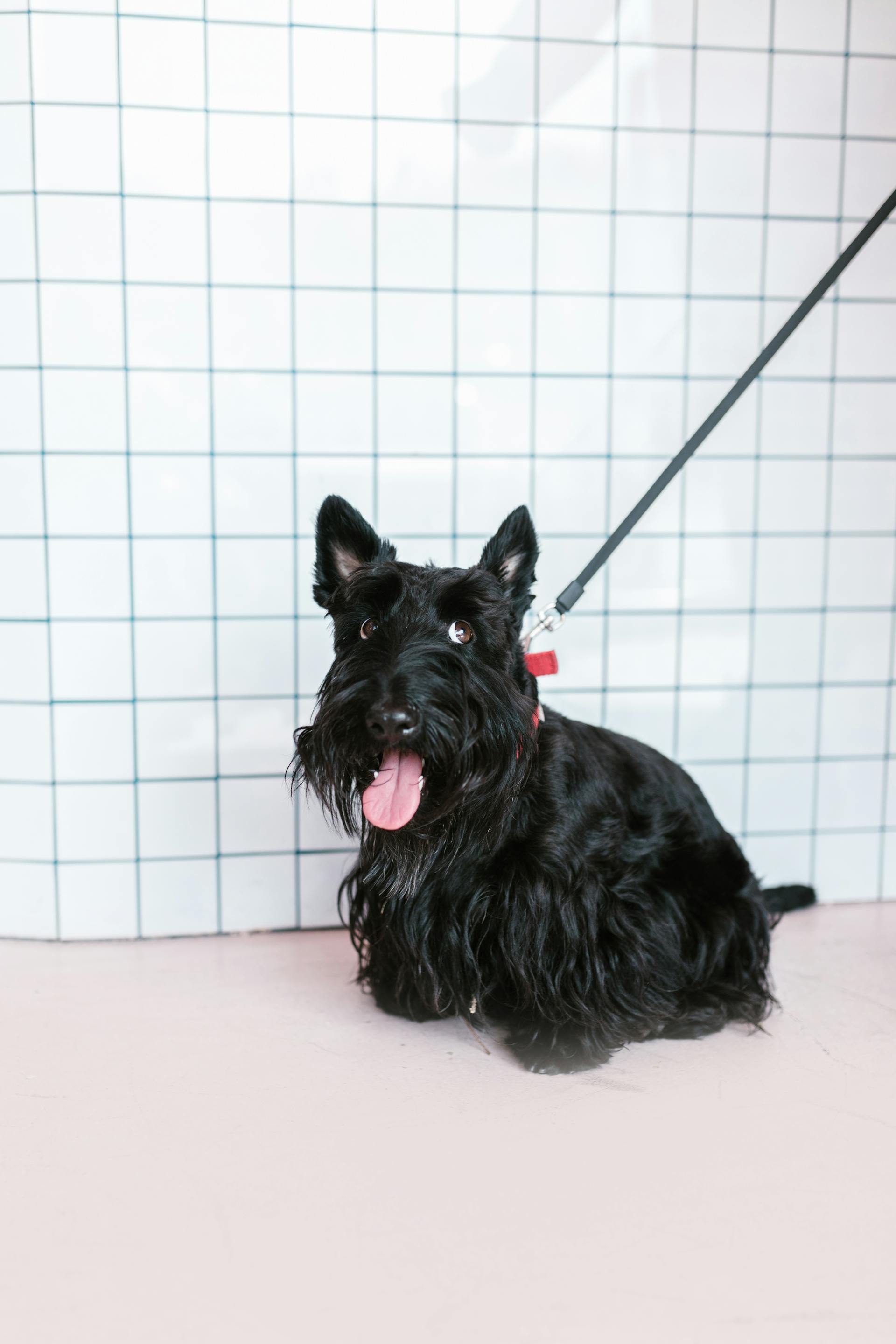
The Skye Terrier is a medium-sized breed with a long, low-set body covered in a distinctive, flowing double coat. Their coat comes in various colors, including black, gray, fawn, and cream, often with darker points on the ears and muzzle. They have large, expressive eyes and ears that can be either pricked or dropped. The Skye Terrier’s strong, muscular build and agile movements make them well-suited for their original role as hunters.
Despite their long body and short legs, Skye Terriers are surprisingly agile and quick. They excel in activities that require both mental and physical effort, such as agility trials and obedience competitions. Regular exercise is essential to keep them fit and happy. Skye Terriers enjoy walks, playtime, and interactive games that challenge their intelligence.
The Skye Terrier is known for its loyal and courageous nature. They form strong bonds with their families and are particularly devoted to their owners. This breed is intelligent and independent, which can sometimes make training a challenge. However, with consistent and positive reinforcement, they can be well-trained. Skye Terriers can be reserved with strangers but are generally friendly and affectionate with their families. They are good with children and can get along with other pets if properly socialized.
The long, flowing coat of the Skye Terrier requires regular grooming to prevent matting and tangling. They should be brushed several times a week, and occasional baths are recommended to keep their coat clean and healthy. Regular exercise is crucial for their physical and mental well-being. Skye Terriers also benefit from regular vet check-ups, a balanced diet, and dental care to maintain their overall health.
Major concerns: Orthopedic issues, such as hip dysplasia
Minor concerns: Ear infections, allergies
Occasionally seen: Lens luxation
Recommended tests: Hips, eyes, ears
Lifespan: 12–14 years
The Skye Terrier has a rich history as a beloved companion and working dog in Scotland. Developed for their hunting prowess, these dogs were highly valued for their ability to exterminate vermin in challenging terrains. Today, the Skye Terrier continues to be cherished for its loyalty, intelligence, and distinctive appearance. They remain a popular choice for families seeking a dedicated and spirited pet.