The Tibetan Spaniel, affectionately known as the “Tibbie,” has a rich history dating back over 2,500 years in the Himalayan region. Originally bred by Buddhist monks, these dogs served as companions and watchdogs in Tibetan monasteries. Their keen eyesight and alert nature made them excellent at spotting intruders from the monastery walls.
Energy Level
Natural energy and enthusiasm throughout the day.
Exercise Needs
Amount of physical activity required to stay healthy.
Playfulness
Willingness to play and engage in games.
Affection Level
Tendency to show affection toward humans.
Dog Friendliness
Friendliness and tolerance toward other dogs.
Pet Friendliness
How well this pet gets along with other animals.
Stranger Friendliness
Reaction toward unfamiliar people.
Ease of Training
How easy it is to train and teach commands.
Watchfulness
Alertness and tendency to notice surroundings.
Vocality
Tendency to bark, meow, or make other sounds.
Grooming Requirements
Level of grooming effort needed on a regular basis.
Heat Sensitivity
Sensitivity to hot weather conditions.
Cold Tolerance
Ability to withstand cold temperatures.
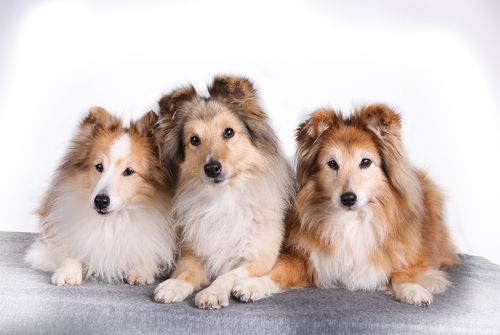
Tibetan Spaniels are small, sturdy dogs with a distinctive lion-like mane around their necks. Their double coat is silky and smooth, coming in a variety of colors, including gold, red, cream, and black. They have a slightly domed head, expressive eyes, and a charming smile that reflects their joyful disposition. Their tail is feathered and curls over their back, adding to their elegant appearance.
Despite their small size, Tibetan Spaniels are agile and enjoy moderate exercise. They have a graceful, flowing gait and enjoy activities like walking, playing fetch, and exploring their surroundings. Regular exercise helps keep them mentally stimulated and physically fit.
Tibetan Spaniels are known for their cheerful and affectionate nature. They are highly intelligent, independent, and have a strong sense of loyalty to their family. These dogs are naturally alert and make excellent watchdogs, though they are not overly barky. Their playful and friendly demeanor makes them wonderful companions for families and individuals alike.
Tibetan Spaniels require regular grooming to maintain their beautiful coat. Weekly brushing helps to remove loose hair and prevent matting. Their ears should be checked regularly for signs of infection, and their teeth should be brushed to maintain oral health. These dogs thrive on human interaction and enjoy spending time with their families. Regular vet check-ups are important to monitor their health and prevent common issues.
Major concerns: progressive retinal atrophy (PRA), patellar luxation
Minor concerns: allergies, dental issues
Occasionally seen: heart problems, eye issues
Suggested tests: eye, hip, patella
Life span: 12–15 years
The Tibetan Spaniel’s history as a beloved companion to Buddhist monks and its role in Tibetan monasteries highlight its importance in Tibetan culture. These dogs have been depicted in ancient artworks and have been cherished for centuries for their loyalty, intelligence, and charm. Today, the Tibetan Spaniel continues to capture hearts with its endearing personality and timeless elegance, making it a treasured breed worldwide.