The Tibetan Terrier, often referred to as the “Holy Dog of Tibet,” has a rich history dating back over 2,000 years. Originating from the Himalayan region, these dogs were bred and kept by Tibetan monks and nomadic herders. Known as good luck charms and companions, they were never sold, only gifted as tokens of esteem and affection. Tibetan Terriers were also used as watchdogs and herding dogs, valued for their agility and sure-footedness in the mountainous terrain.
Energy Level
Natural energy and enthusiasm throughout the day.
Exercise Needs
Amount of physical activity required to stay healthy.
Playfulness
Willingness to play and engage in games.
Affection Level
Tendency to show affection toward humans.
Dog Friendliness
Friendliness and tolerance toward other dogs.
Pet Friendliness
How well this pet gets along with other animals.
Stranger Friendliness
Reaction toward unfamiliar people.
Ease of Training
How easy it is to train and teach commands.
Watchfulness
Alertness and tendency to notice surroundings.
Vocality
Tendency to bark, meow, or make other sounds.
Grooming Requirements
Level of grooming effort needed on a regular basis.
Heat Sensitivity
Sensitivity to hot weather conditions.
Cold Tolerance
Ability to withstand cold temperatures.
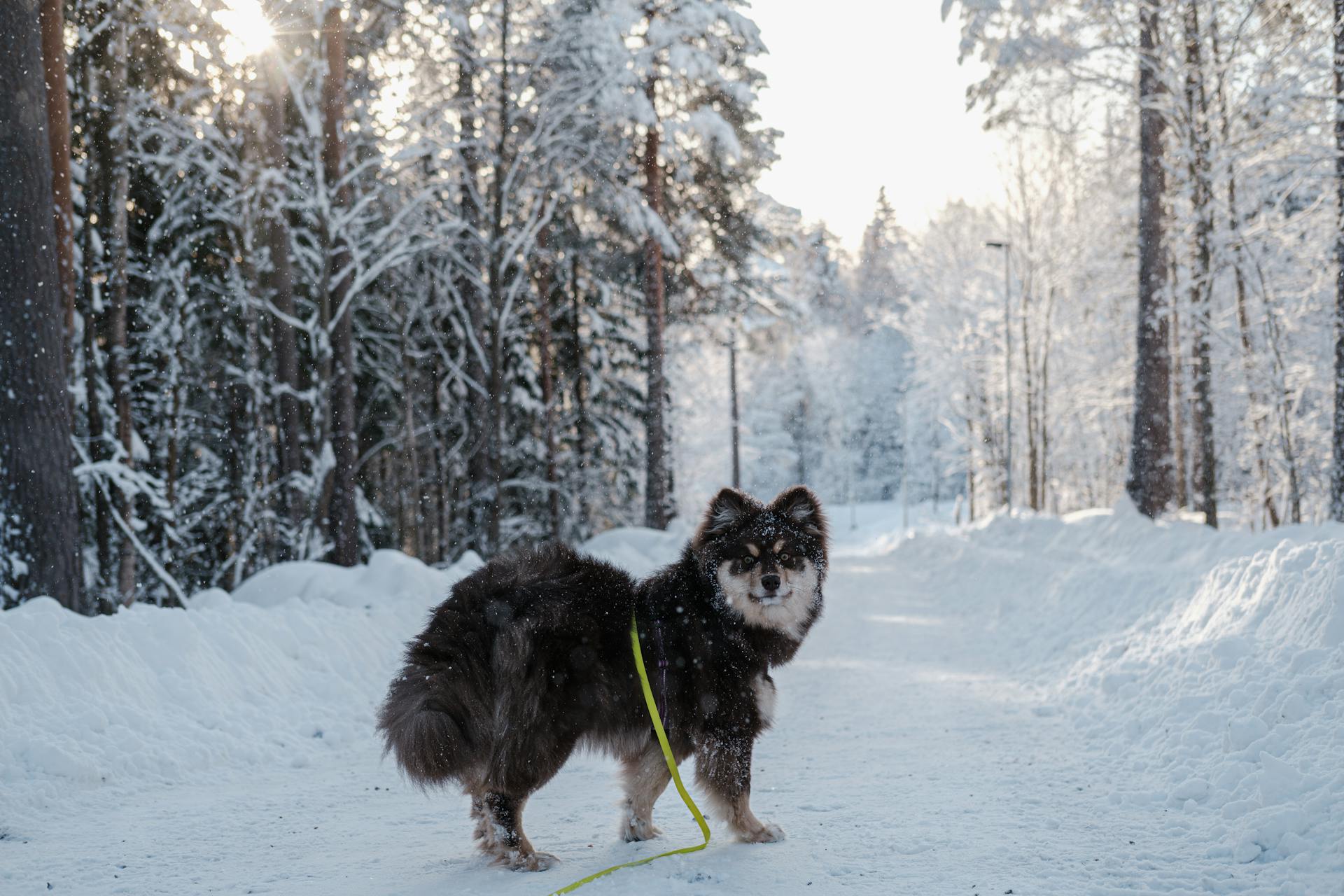
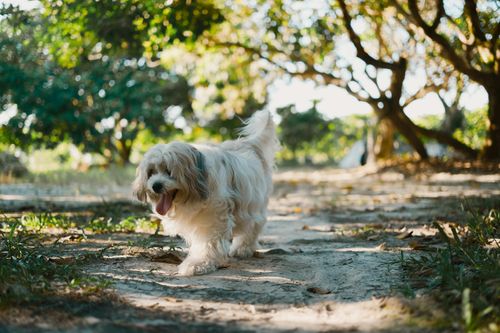
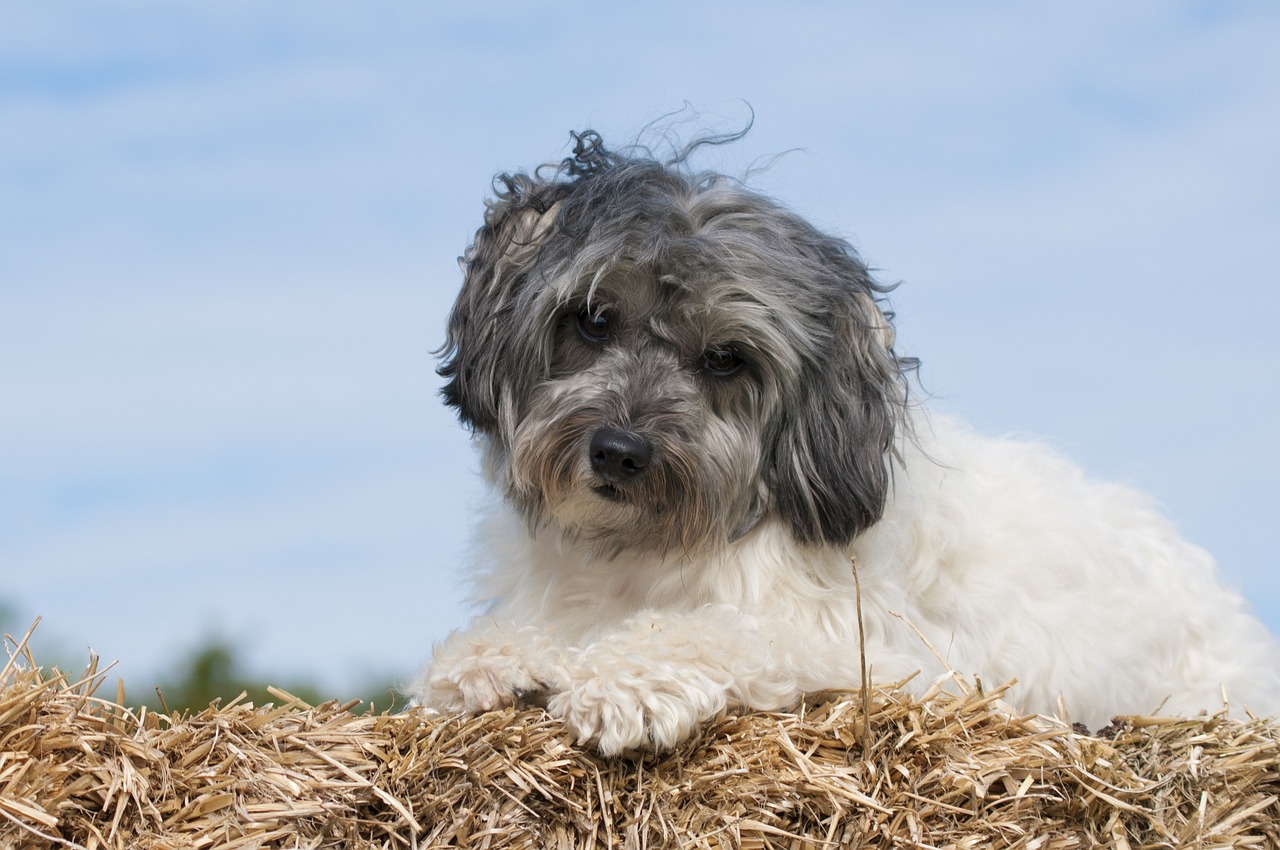
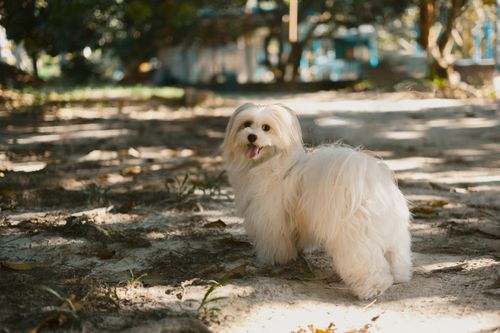
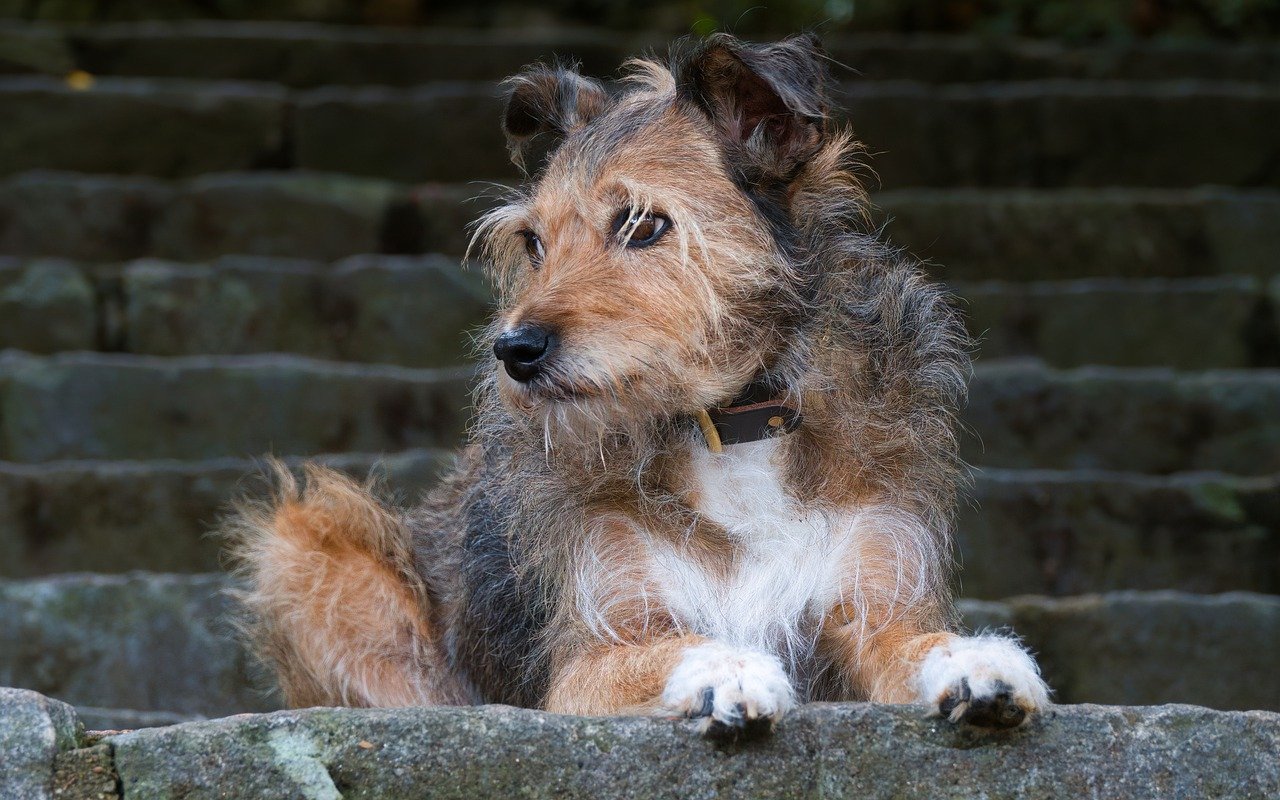
Tibetan Terriers are medium-sized dogs with a sturdy, square build. They have a profuse double coat that can be straight or wavy, providing excellent protection against harsh weather conditions. Coat colors vary widely, including white, gold, black, and tricolor. They have large, dark eyes that are set wide apart, giving them an alert and expressive appearance. Their tails are well-feathered and curl over their backs, adding to their distinctive look.
Tibetan Terriers are agile and energetic dogs, with a strong, powerful gait. Their large, flat feet act like snowshoes, allowing them to move effortlessly over snow and rough terrain. Regular exercise is essential to keep them fit and happy, and they enjoy activities like hiking, running, and agility training.
Tibetan Terriers are known for their friendly and affectionate nature. They are highly intelligent and quick learners, making them relatively easy to train. These dogs are loyal to their families and often form strong bonds with their human companions. They can be a bit reserved with strangers, making them excellent watchdogs. Their playful and sociable personality makes them great companions for families and individuals alike.
Tibetan Terriers require regular grooming to maintain their thick, luxurious coat. This includes brushing several times a week to prevent matting and tangling, and occasional trimming. Regular exercise is important to keep them mentally and physically stimulated. They thrive on human interaction and enjoy spending time with their families. Regular vet check-ups are essential to monitor their health and prevent common issues.
Major concerns: progressive retinal atrophy (PRA), hip dysplasia
Minor concerns: lens luxation, cataracts
Occasionally seen: heart issues, allergies
Suggested tests: eye, hip
Life span: 12–15 years
The Tibetan Terrier’s long history as a companion and good luck charm in Tibetan culture highlights its importance and value. These dogs have been depicted in ancient artworks and have been cherished for their loyalty, intelligence, and versatile skills. Today, the Tibetan Terrier continues to be a beloved breed worldwide, known for its endearing personality and robust health, making it a cherished addition to many households.