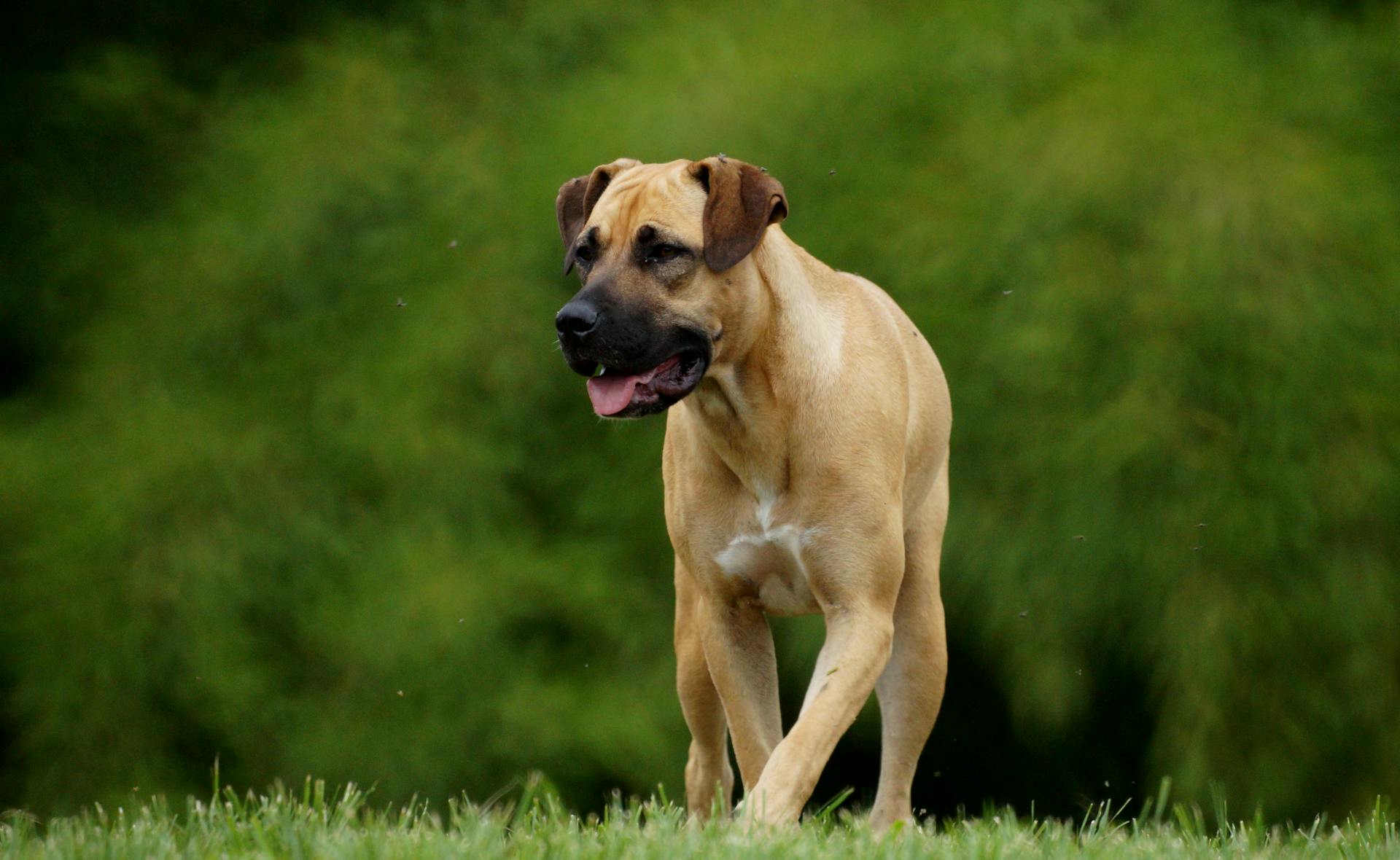
The Tosa is a powerful Japanese working breed, originally developed for controlled dog fighting that emphasized endurance, composure, and silence rather than aggression.
Today, the breed is best known for its calm demeanor, strong protective instinct, and unwavering loyalty to its family.
Energy Level
Natural energy and enthusiasm throughout the day.
Exercise Needs
Amount of physical activity required to stay healthy.
Playfulness
Willingness to play and engage in games.
Affection Level
Tendency to show affection toward humans.
Dog Friendliness
Friendliness and tolerance toward other dogs.
Pet Friendliness
How well this pet gets along with other animals.
Stranger Friendliness
Reaction toward unfamiliar people.
Ease of Training
How easy it is to train and teach commands.
Watchfulness
Alertness and tendency to notice surroundings.
Vocality
Tendency to bark, meow, or make other sounds.
Grooming Requirements
Level of grooming effort needed on a regular basis.
Heat Sensitivity
Sensitivity to hot weather conditions.
Cold Tolerance
Ability to withstand cold temperatures.
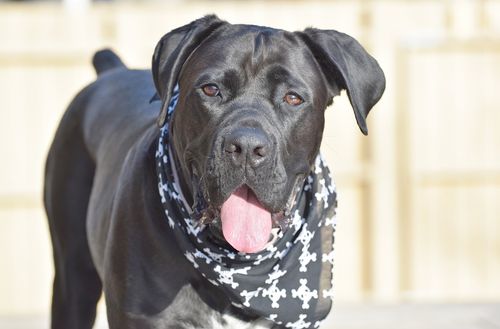
Common coat colors include red, brindle, fawn, and black.
It has a broad head, strong jaw, thick neck, and solid bone structure, giving the breed a dignified and authoritative presence.
The breed possesses excellent stamina and physical power, requiring regular, structured exercise such as long walks and controlled training sessions to maintain both physical and mental balance.
It is highly loyal and deeply bonded to its family, while often remaining aloof and cautious with strangers.
With proper socialization and experienced handling, the Tosa is a stable and reliable guardian, not prone to unnecessary reactivity.
Due to its size, strength, and protective nature, the Tosa is best suited to experienced dog owners who can provide consistent training, leadership, and early socialization.
Mental engagement is just as important as physical exercise.
Minor concerns: Gastric torsion (bloat), skin conditions
Occasionally seen: Heart and eye issues
Suggested tests: Hip, elbow, heart
Life span: 10–12 years
While its origins lie in traditional dog fighting, the modern Tosa is respected primarily as a guardian breed and loyal companion, admired for its noble appearance and calm authority.