

In many families, deciding whether to get a dog is a question parents consider carefully. This decision becomes even more important when children are involved, as parents must weigh responsibility, safety, and time commitments. With proper guidance and responsible care, having a dog can enrich family life and positively support a child’s emotional and physical development.
So, are dogs suitable for children? And how can they benefit a child’s growth? Below are six key advantages.
1. Teaching Responsibility and Healthy Daily Habits

Caring for a dog requires long-term commitment, including feeding, cleaning, exercise, and daily supervision. When children participate in these activities under parental guidance, they begin to understand that responsibility involves consistency, not just temporary interest.
Simple tasks such as remembering feeding times or helping prepare pet supplies can help children develop structure, time awareness, and responsibility.
2. Developing Empathy and Emotional Awareness
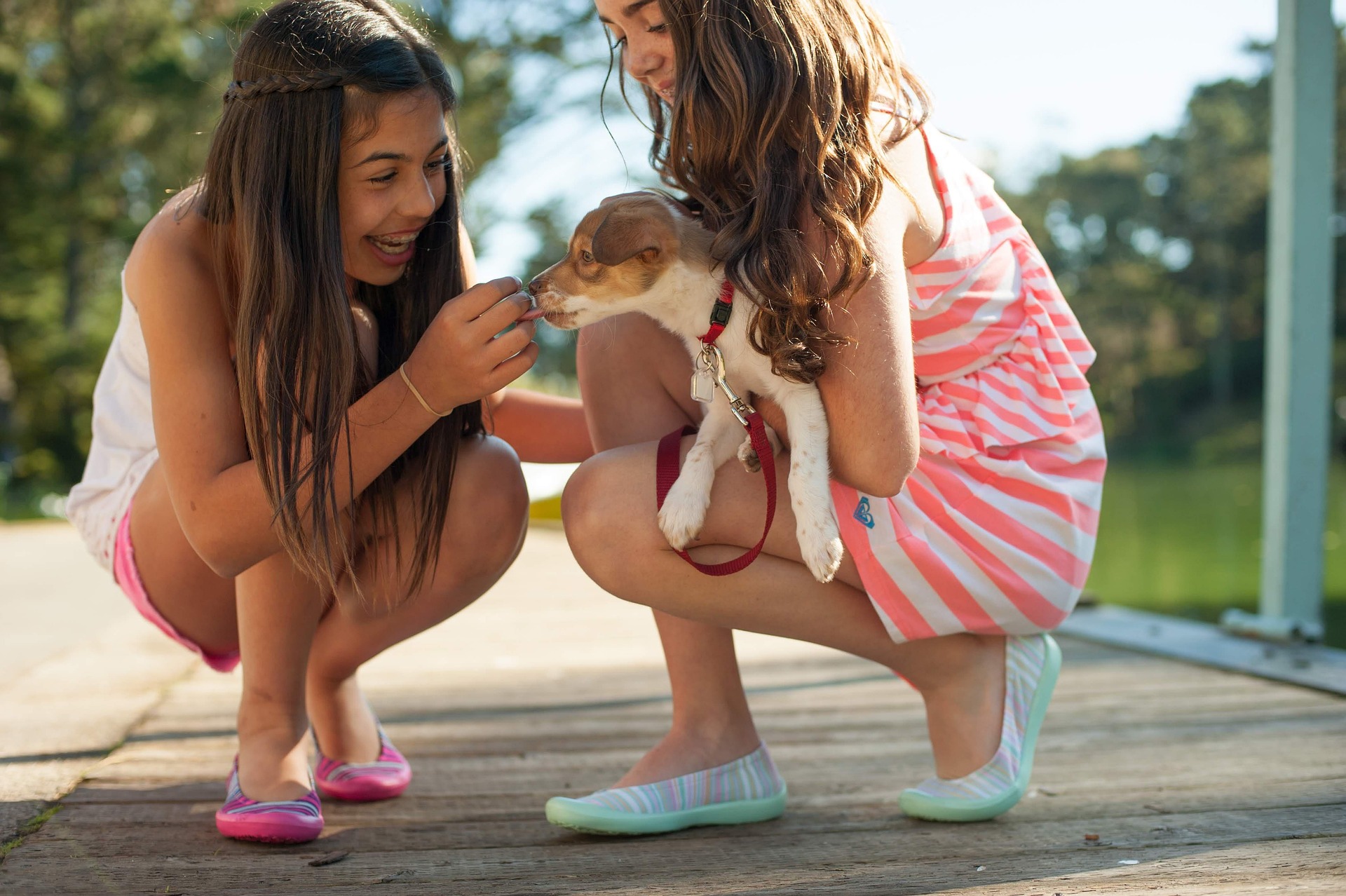
Dogs communicate emotions through behavior rather than words. By observing a dog’s reactions, children learn to recognize feelings such as fear, excitement, or discomfort.
This interaction helps children develop empathy and learn to respect emotional boundaries—important skills for future relationships and emotional intelligence.
3. Improving Social Skills and Self-Confidence

Owning a dog often creates natural opportunities for social interaction, such as meeting other dog owners during walks or at parks. For children, dogs can serve as an easy and natural conversation starter.
These experiences help children practice communication skills and build confidence, especially for those who are shy or introverted.
4. Reducing Stress and Supporting Emotional Well-being
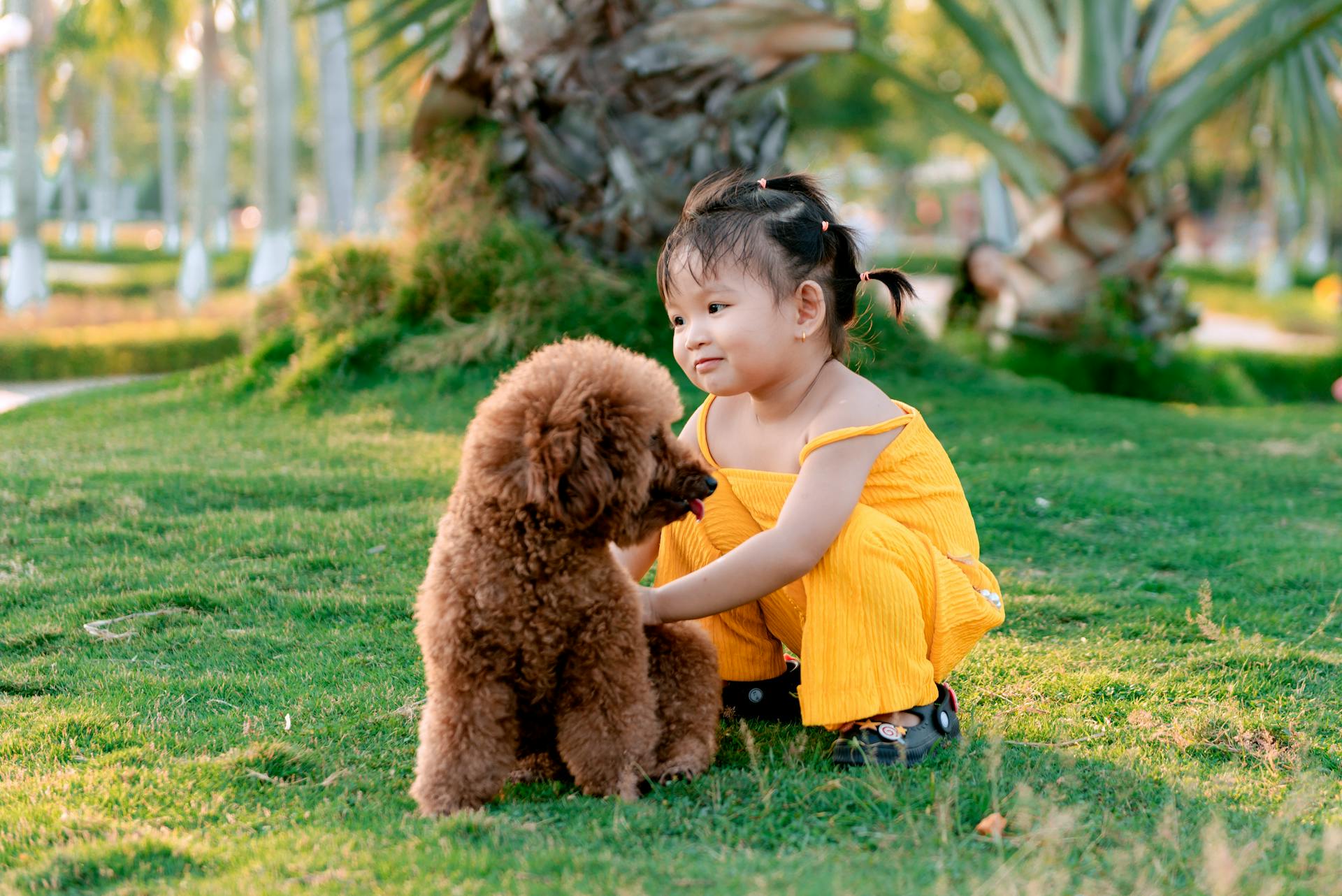
Children experience stress from school, social relationships, and daily challenges. Spending time with a dog—playing, walking, or simply sitting together—can provide comfort and emotional relief.
Studies show that interacting with pets can help reduce stress and anxiety, making dogs a valuable source of emotional support.
5. Encouraging Physical Activity and Outdoor Play
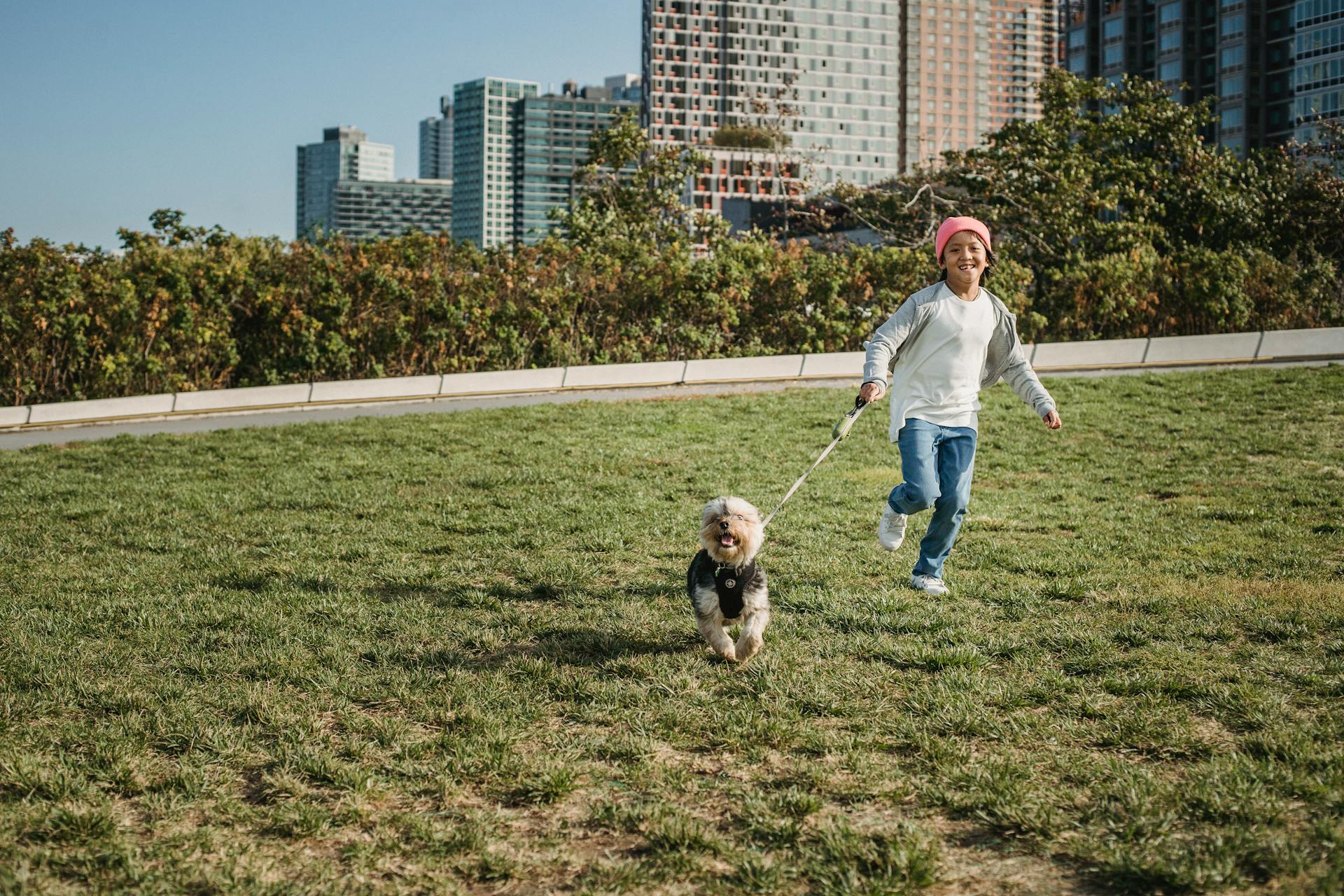
In today’s digital age, many children lack sufficient physical activity. Dogs require regular walks and outdoor play, naturally encouraging children to move more and spend time outside.
This increased activity supports physical health, improves sleep quality, and helps build long-term healthy habits.
6. Providing Unconditional Love and Companionship

For children, dogs are often loyal companions who offer affection without judgment. No matter how a child feels or performs, a dog’s love remains constant.
This unconditional companionship helps children feel secure, valued, and emotionally supported as they grow.
A Balanced Perspective: What Parents Should Consider
While dogs offer many benefits, not every family is ready to adopt one. Parents should carefully evaluate their situation to ensure a positive experience for both the child and the dog.
- Age-appropriate involvement: Younger children need supervision; older children can gradually take on more responsibility.
- Parents as primary caregivers: Adults must remain responsible for daily care and decision-making.
- Safety and boundaries: Children should learn respectful and safe ways to interact with dogs.
- Long-term commitment: Dogs often live for more than ten years and require consistent care.
Overall, growing up with a dog can positively shape a child’s responsibility, empathy, social skills, emotional well-being, and physical health. With the right guidance and care, dogs often become trusted companions throughout a child’s journey of growing up.
If you are considering raising a dog alongside your child — or already share your home with one — understanding how to build a safe and respectful relationship between children and dogs is just as important.
For practical tips and guidance, you may also find this article helpful:
“Kids & Dogs: Simple Tips to Make Their Bond Safe and Happy”