Breed Introduction
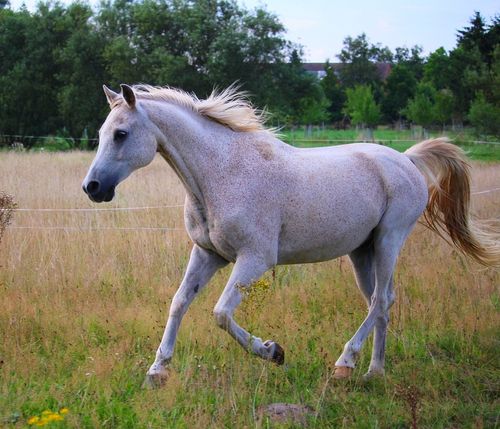
The American Quarter Horse is one of the oldest horse breeds in the United States, originating in Virginia. They tend to be short, compact, and very muscular, making them suitable for various equestrian activities such as racing, riding, and ranch work. American Quarter Horses are loved for their calm demeanor and versatility, making them ideal for both beginners and experienced riders.
Barn Stall
House your American Quarter Horse in a stall that is at least 12 by 12 feet (3.7 by 3.7 meters). Ensure the stall has two 20-liter (5.3-gallon) buckets of fresh water and bedding made of dry wood shavings and straw. Take your horse out daily for exercise and stimulation.
Pasture
Provide at least one acre of pasture with safe fencing, such as metal or wooden fences. Avoid barbed wire and high-tensile wire fencing. Ensure the pasture has shelter from the elements, such as sheds, trees, or rock overhangs. The pasture should not be prone to flooding and should be free of poisonous plants.
Manure Removal
Regularly remove manure to keep the environment clean. Clean the stall daily and remove manure from the pasture weekly.
Diet
Avoid overfeeding: American Quarter Horses maintain a healthy body weight on a small amount of feed. Feed them 1% to 1.5% of their body weight daily, primarily hay and grass, which should make up 95% of their diet.
Fresh Water
Provide fresh water daily: Horses need to drink 10 to 15 gallons (38 to 57 liters) of water per day. Adjust the amount based on age, activity level, and weather. Ensure the water source remains unfrozen in winter and provide more water in summer, especially when outdoors.
Pasture Maintenance
Divide the pasture into sections: Use a fence to section the pasture into 2 to 4 areas. Rotate the horse to a new section once the grass is eaten down to 3 inches (7.6 cm). This helps maintain the quality of the forage.
Dental Checkups
Schedule dental checkups every six months for horses aged 2 to 5 years, and annually for those older than 5. Good dental health is essential for overall well-being.
Hoof Care
Lift and clean hooves daily: Use a hoof pick to remove dirt and debris from the hooves. Schedule a farrier visit every 4 to 6 weeks to trim hooves, with more frequent visits if necessary.
Brushing
Brush your horse 2 to 3 times a week: Use a rubber curry comb in circular motions to bring dirt to the surface, then use a stiff brush to remove it.
Face Care
Use a soft brush to gently brush the face, following the direction of hair growth.
Mane and Tail
Comb the mane and tail: Use your fingers to remove large debris, apply detangler, and gently comb through, starting at the roots.
Main Concerns
Generally healthy but prone to colic and lameness.
Lifespan
25-35 years
- American Quarter Horses are the fastest short-distance runners in the world, capable of reaching high speeds over short distances.
- The breed’s name comes from its prowess in quarter-mile races.
- They frequently appear in Western movies due to their suitability for portraying cowboy life.
- They excel in ranch work, particularly in herding cattle and performing farm tasks.