Breed Introduction
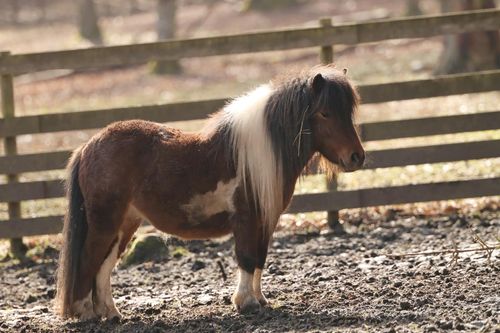
Shetland Ponies originated in the Shetland Islands of Scotland and are known for their endurance, intelligence, and friendly temperament. They typically stand no taller than 42 inches (107 cm), making them small but strong. Shetland Ponies are ideal for children’s riding and make excellent pets and companion animals.
Barn Stall
Shetland Ponies need a clean, spacious barn stall, with a minimum size of 8×8 feet (2.4×2.4 meters). The stall should be well-ventilated and have ample natural light, with dry bedding materials such as wood shavings or straw.
Pasture
Provide a safe, spacious pasture with secure fencing, such as sturdy wood or metal. Avoid using barbed wire. The pasture should have ample grass and shelter, such as trees or sheds, to offer protection and rest areas.
Manure Removal
Regularly remove manure to maintain hygiene. Clean the barn stall daily and remove manure from the pasture weekly.
Diet
Shetland Ponies’ diet should mainly consist of high-quality hay and grass, supplemented with appropriate grains and vitamin minerals. Daily feeding should be adjusted according to the pony’s weight, age, and activity level.
Fresh Water
Provide fresh, clean water daily. Shetland Ponies need to drink 5 to 10 gallons (19 to 38 liters) of water per day. Ensure the water source does not freeze in winter and provide more water in summer, especially when outdoors.
Pasture Maintenance
Divide the pasture into sections using fencing. Rotate the pony to a new section once the grass is eaten down to 3 inches (7.6 cm). This helps maintain the quality of the forage.
Dental Checkups
Schedule dental checkups every six months for ponies aged 2 to 5 years, and annually for those older than 5. Good dental health is essential for overall well-being.
Hoof Care
Lift and clean hooves daily using a hoof pick to remove dirt and debris. Schedule a farrier visit every 4 to 6 weeks to trim hooves, with more frequent visits if necessary.
Brushing
Brush your pony 2 to 3 times a week using a rubber curry comb in circular motions to bring dirt to the surface, then use a stiff brush to remove it.
Face Care
Use a soft brush to gently brush the face, following the direction of hair growth.
Mane and Tail
Comb the mane and tail: Use your fingers to remove large debris, apply detangler, and gently comb through, starting at the roots.
Main Concerns
Shetland Ponies are generally healthy but can be prone to obesity and laminitis.
Lifespan
25-30 years
- Shetland Ponies are one of the smallest horse breeds, typically standing no taller than 42 inches (107 cm).
- They are popular in children’s riding and therapy animal programs.
- Despite their small size, Shetland Ponies have great endurance and strength.
- They are ideal for families and make excellent family pets.