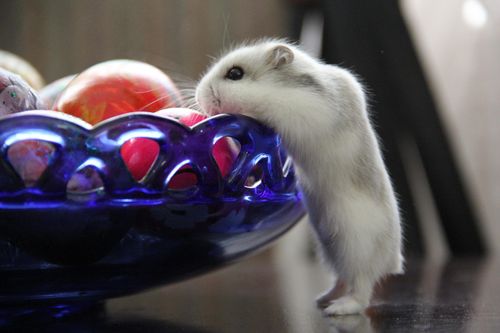
Breed Introduction
The Chinchilla is a small, nocturnal rodent native to the Andes Mountains in South America. Known for their incredibly soft fur, they have a lifespan of 10 to 20 years and weigh between 1 to 1.5 pounds (approximately 450 to 700 grams). Chinchillas have large, round ears, bushy tails, and expressive eyes, making them an endearing and active pet for those who can provide them with the proper care.
Chinchillas can be prone to several health issues, including:
- Dental Problems: Their teeth continuously grow and require constant gnawing on hay and chew toys to prevent overgrowth and malocclusion.
- Heat Stroke: They are sensitive to high temperatures and need a cool environment to prevent overheating.
- Fur Issues: Dense fur can trap moisture, leading to fungal infections if not kept dry and clean.
- Gastrointestinal Problems: A proper diet is essential to prevent digestive issues like bloat or constipation.
Regular veterinary check-ups and proper care can help mitigate these health risks.
A balanced diet is crucial for maintaining the health of chinchillas. Consider the following diet guidelines:
- Hay: Provide unlimited amounts of fresh hay, essential for their digestive health and dental care.
- Pellets: Feed about 1-2 tablespoons of high-quality chinchilla pellets daily.
- Treats: Offer treats sparingly, such as small pieces of dried fruit or specific chinchilla treats.
- Water: Ensure a constant supply of fresh, clean water, preferably from a water bottle to avoid contamination.
Are Chinchillas good pets? Yes, they are excellent pets for those who can provide the specific care they need, including a cool environment and regular dust baths.
Are Chinchillas difficult to care for? They require more specific care than some other small pets, including proper diet, habitat, and grooming needs.
Do Chinchillas like to be held? Chinchillas can be skittish and may not always enjoy being held. However, with patience and gentle handling, they can become more comfortable with human interaction.
Are Chinchillas easy to train? Chinchillas can be trained to some extent, such as using a litter box or responding to their names, with positive reinforcement and consistency.