

If you’ve ever owned a hamster, this scene may feel painfully familiar—
One day while cleaning the cage, changing bedding, or simply holding your hamster, you suddenly feel a small, firm lump somewhere on its body.
Your first reaction is often panic.
Is it a tumor?
Did I feed something wrong?
Is it already serious?
First, an important truth needs to be said clearly:
Hamsters are indeed among small pets with a relatively high incidence of tumors.
And this has far more to do with what they are biologically than with what you did wrong.
Hamsters Live Fast, by Nature
A hamster’s life is short.
Most hamsters live only 1.5 to 3 years on average.
To humans, that may feel like “just a year or two.”
To a hamster, it’s already mid to late life.
This means something important:
Many conditions considered “old-age problems” in other animals appear very early in hamsters.
Tumors are one of them.
So many lumps aren’t sudden—they’ve been developing quietly long before you noticed them.
Tumor Types Vary by Hamster Species
Not all hamsters are the same.

Syrian Hamsters (Golden Hamsters)
This is the species most often associated with tumors.
Common findings include:
- Subcutaneous masses
- Mammary tumors
- Lymphatic tumors
These lumps are often:
- Easy to feel (flanks, chest, neck)
- Fast-growing
- Discovered suddenly during handling
Many owners notice them thinking, “This didn’t feel like this yesterday.”

Dwarf Hamsters (Winter White, Campbell’s, etc.)
External lumps are less common, but issues are more hidden.
Possible problems include:
- Internal tumors
- Digestive or organ-related conditions
Instead of a visible lump, signs may be:
- Reduced appetite
- Gradual weight loss
- Lower activity levels
This is why many owners assume it’s simply aging or seasonal change.
Why Are Hamster Lumps Often Found Late?
This isn’t because you weren’t attentive.
There are several reasons:
- Their bodies are extremely small
- Thick fur hides external changes
- Hamsters instinctively hide discomfort
By the time a lump is noticeable, it has usually been there for some time.
Which Small Hamsters Have Lower Tumor Risk?

One species often mentioned separately is the Roborovski hamster.
Known traits include:
- Extremely fast movement
- Dislikes handling
- More observational than interactive
Health-wise, they differ from golden hamsters.
Generally speaking:
- Syrian hamsters: higher tumor incidence
- Dwarf hamsters: moderate
- Roborovski hamsters: relatively lower
They are still hamsters, but their risk profile is different.
What About Fat-Tailed Gerbils?
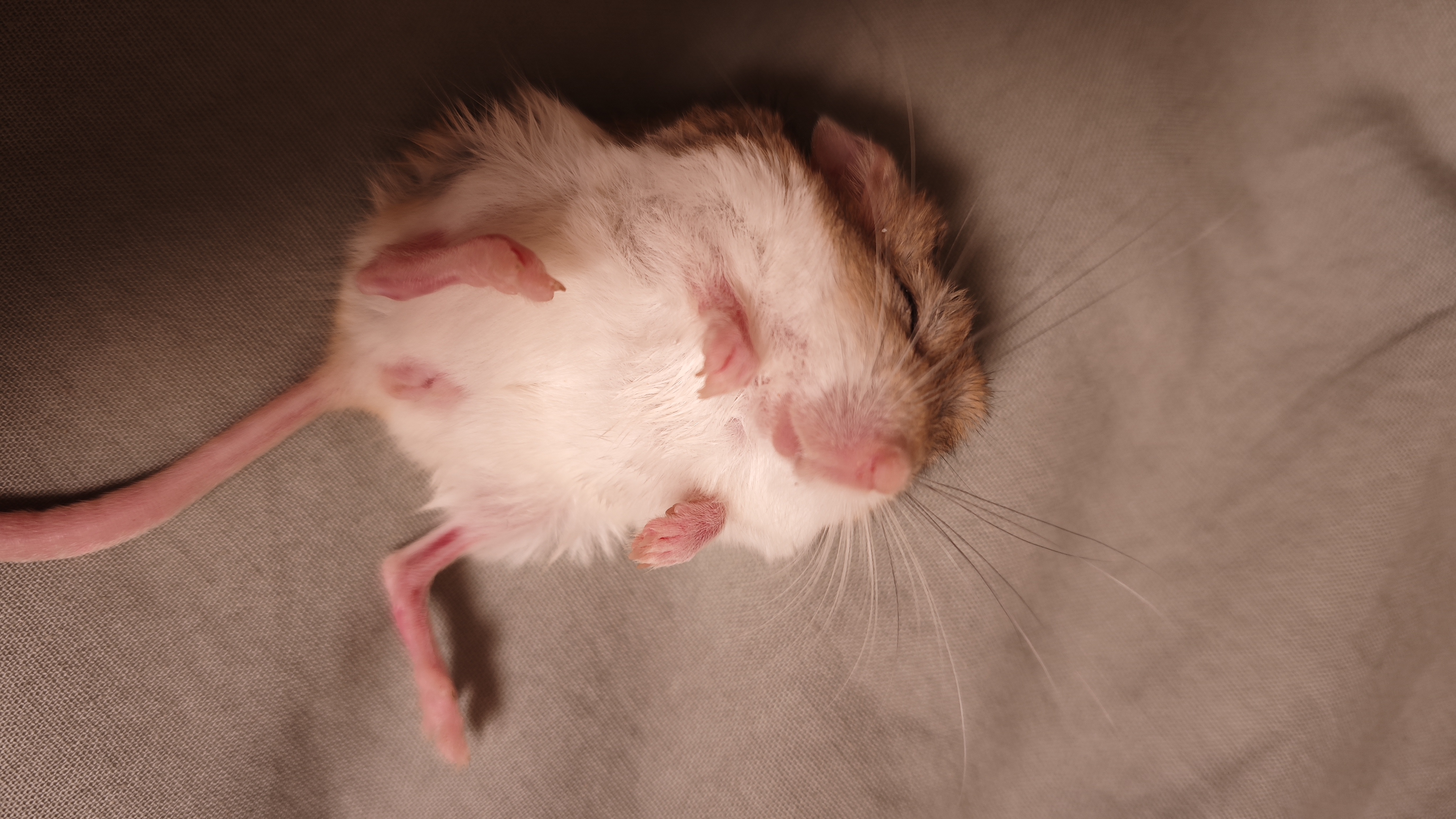
Fat-tailed gerbils belong to true gerbil species.
Based on exotic veterinarians’ experience:
- Overall tumor incidence is lower
- Subcutaneous tumors are uncommon
- Aging tends to be more natural
Because fewer people keep them, discussions are limited.
Many keepers describe the general risk impression as:
Syrian hamster > dwarf hamster > Roborovski hamster ≈ gerbils
More common issues include:
- Dental problems
- Injuries
- Metabolic and weight issues
So if you keep a Roborovski or fat-tailed gerbil, there’s no need to fully project typical “hamster tumor stories” onto your pet.
Does Diet and Environment Matter?
Yes—but they are not decisive.
Possible contributing factors:
- Long-term high-fat or sugary diets
- Chronic lack of exercise
- Frequent breeding (especially females)
However:
Even well-cared-for hamsters can develop tumors.
This isn’t something you can completely prevent by “doing everything right.”
About Treatment: A Realistic Perspective
This is the hardest part.
Hamsters are extremely sensitive to anesthesia.
Even when surgery is technically possible, the risk is high.
Veterinarians usually consider:
- Age
- Growth rate of the mass
- Impact on eating and movement
- Overall quality of life
In many cases, supportive care and monitoring are chosen instead of surgery.
This is not giving up—it’s choosing comfort.

What You Can Do Matters More Than You Think
After finding a lump, what matters most isn’t immediate action, but:
- Monitoring eating and activity
- Keeping routines stable
- Avoiding unnecessary handling
- Consulting an experienced exotic vet when needed
For a hamster, comfort, security, and dignity often matter more than aggressive treatment.
If you’re facing this situation, remember one thing:
This is not a failure.
Noticing, caring, and wanting to understand already means you’re doing your best.