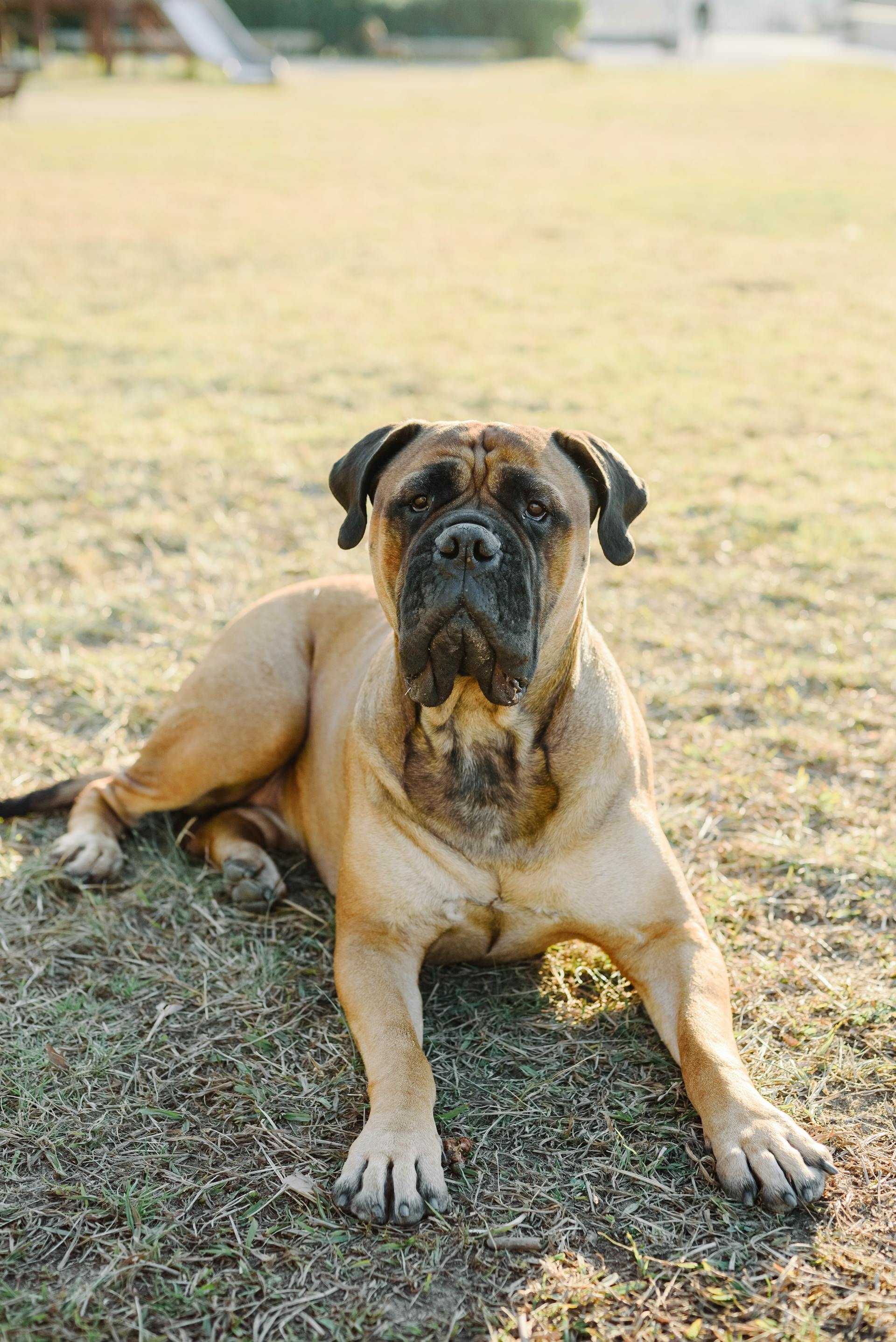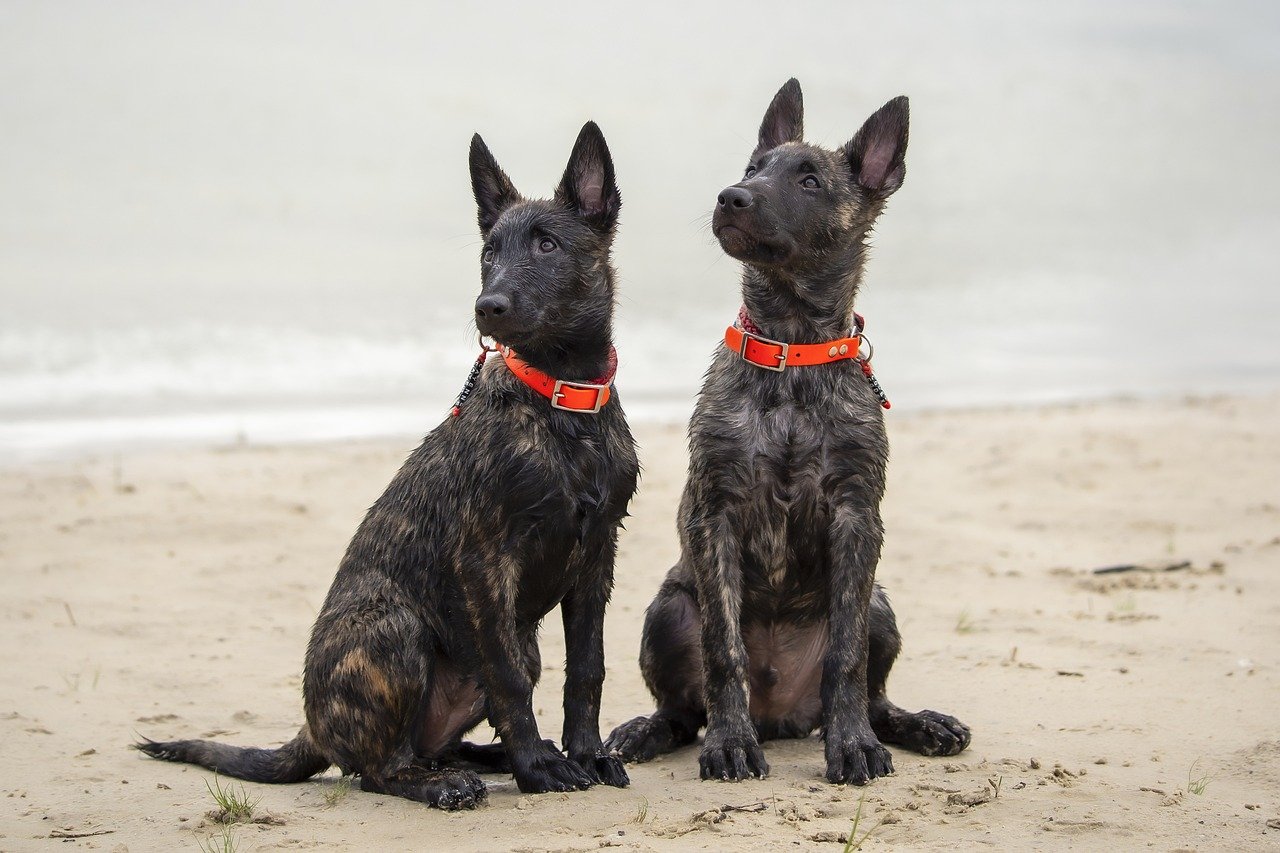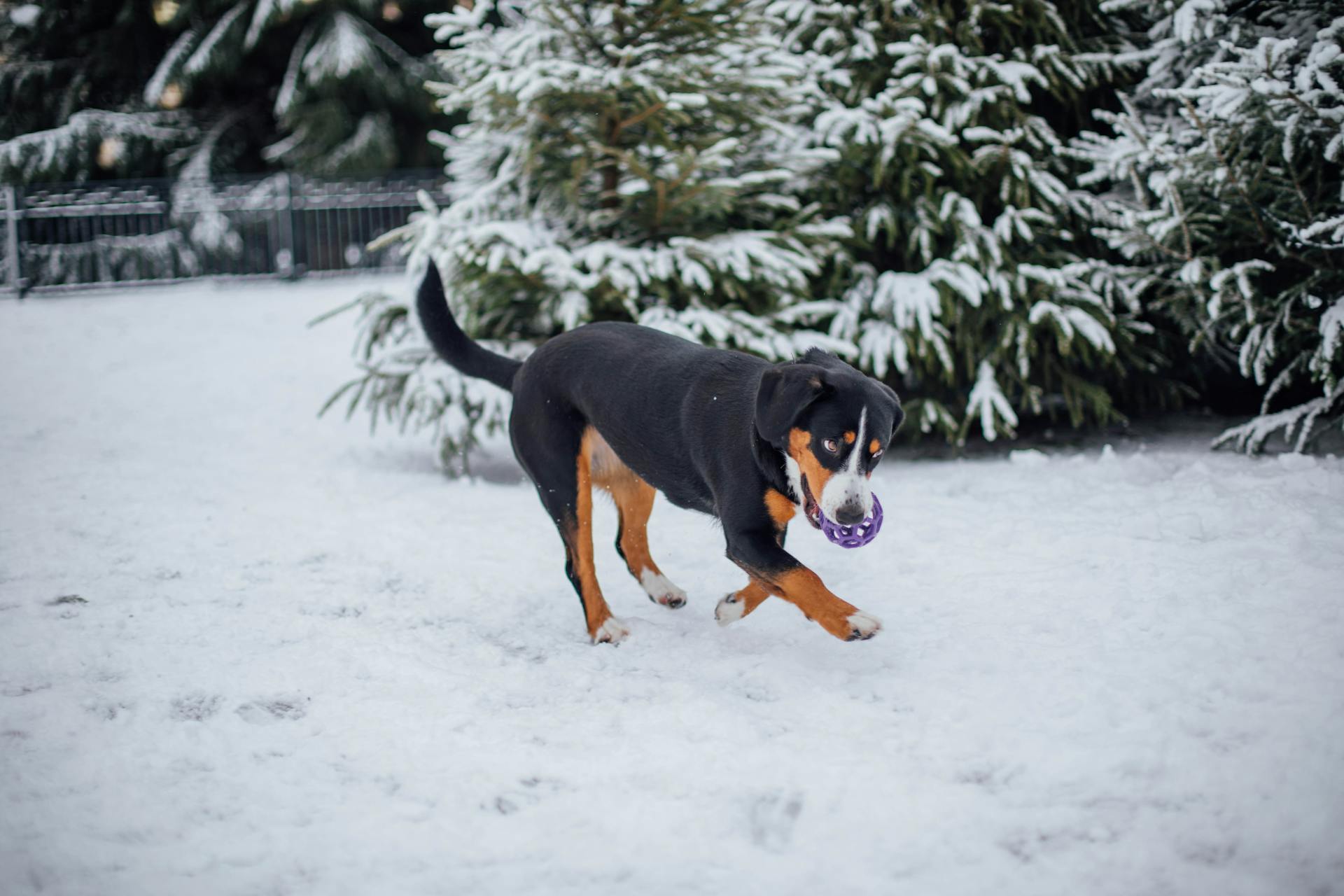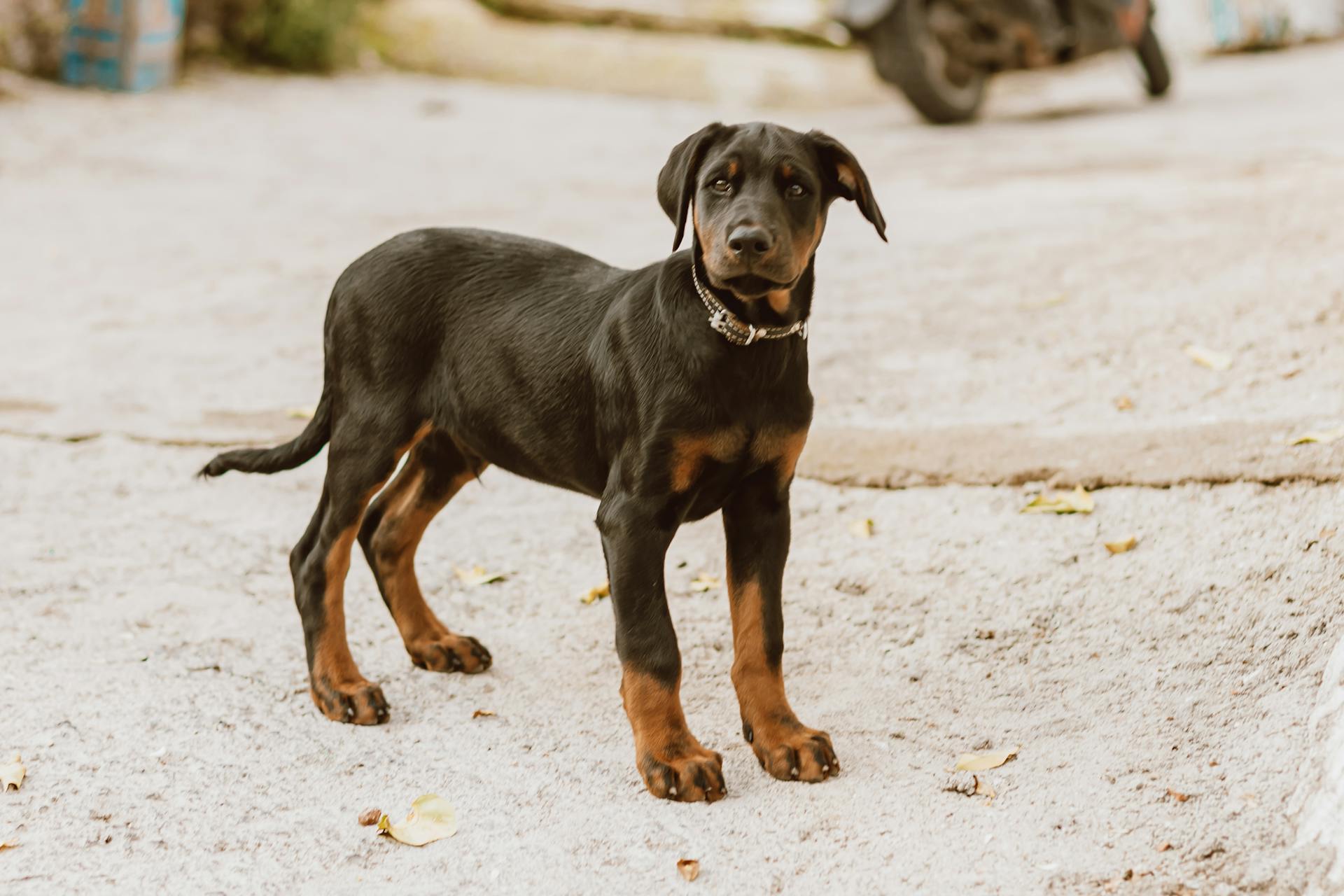
The Boxer is a powerful and athletic working dog originally developed in Germany.
Known for its playful personality, strong loyalty, and natural guarding instincts, the Boxer excels both as a family companion and a dependable working breed.
Energy Level
Natural energy and enthusiasm throughout the day.
Exercise Needs
Amount of physical activity required to stay healthy.
Playfulness
Willingness to play and engage in games.
Affection Level
Tendency to show affection toward humans.
Dog Friendliness
Friendliness and tolerance toward other dogs.
Pet Friendliness
How well this pet gets along with other animals.
Stranger Friendliness
Reaction toward unfamiliar people.
Ease of Training
How easy it is to train and teach commands.
Watchfulness
Alertness and tendency to notice surroundings.
Vocality
Tendency to bark, meow, or make other sounds.
Grooming Requirements
Level of grooming effort needed on a regular basis.
Heat Sensitivity
Sensitivity to hot weather conditions.
Cold Tolerance
Ability to withstand cold temperatures.
They have a short, smooth coat that fits tightly to the body, most commonly seen in fawn or brindle with white markings. Their compact frame and strong limbs give them both strength and agility.
They move with a powerful, elastic stride, making them excellent runners and jumpers. Their stamina and coordination also suit them well for dog sports and advanced training.
They form strong bonds with their families and are especially known for being patient and playful with children. Intelligent and eager to engage, they respond well to positive, consistent training.
Early training and socialization are essential to channel their energy and maintain good behavior. Regular activity helps prevent boredom-related issues.
Minor concerns: allergies, brachycephalic syndrome
Occasionally seen: epilepsy
Suggested tests: heart, hip, thyroid
Life span: 10–12 years
It later became one of the first police and military dog breeds, and today remains a popular choice as a loyal, protective, and energetic family dog worldwide.