The Bullmastiff was developed in England in the late 19th century by crossing the English Mastiff with the now extinct Old English Bulldog. It was bred primarily to guard large estates and game preserves against poachers, earning it the nickname “The Gamekeeper’s Night Dog.”
Energy Level
Natural energy and enthusiasm throughout the day.
Exercise Needs
Amount of physical activity required to stay healthy.
Playfulness
Willingness to play and engage in games.
Affection Level
Tendency to show affection toward humans.
Dog Friendliness
Friendliness and tolerance toward other dogs.
Pet Friendliness
How well this pet gets along with other animals.
Stranger Friendliness
Reaction toward unfamiliar people.
Ease of Training
How easy it is to train and teach commands.
Watchfulness
Alertness and tendency to notice surroundings.
Vocality
Tendency to bark, meow, or make other sounds.
Grooming Requirements
Level of grooming effort needed on a regular basis.
Heat Sensitivity
Sensitivity to hot weather conditions.
Cold Tolerance
Ability to withstand cold temperatures.
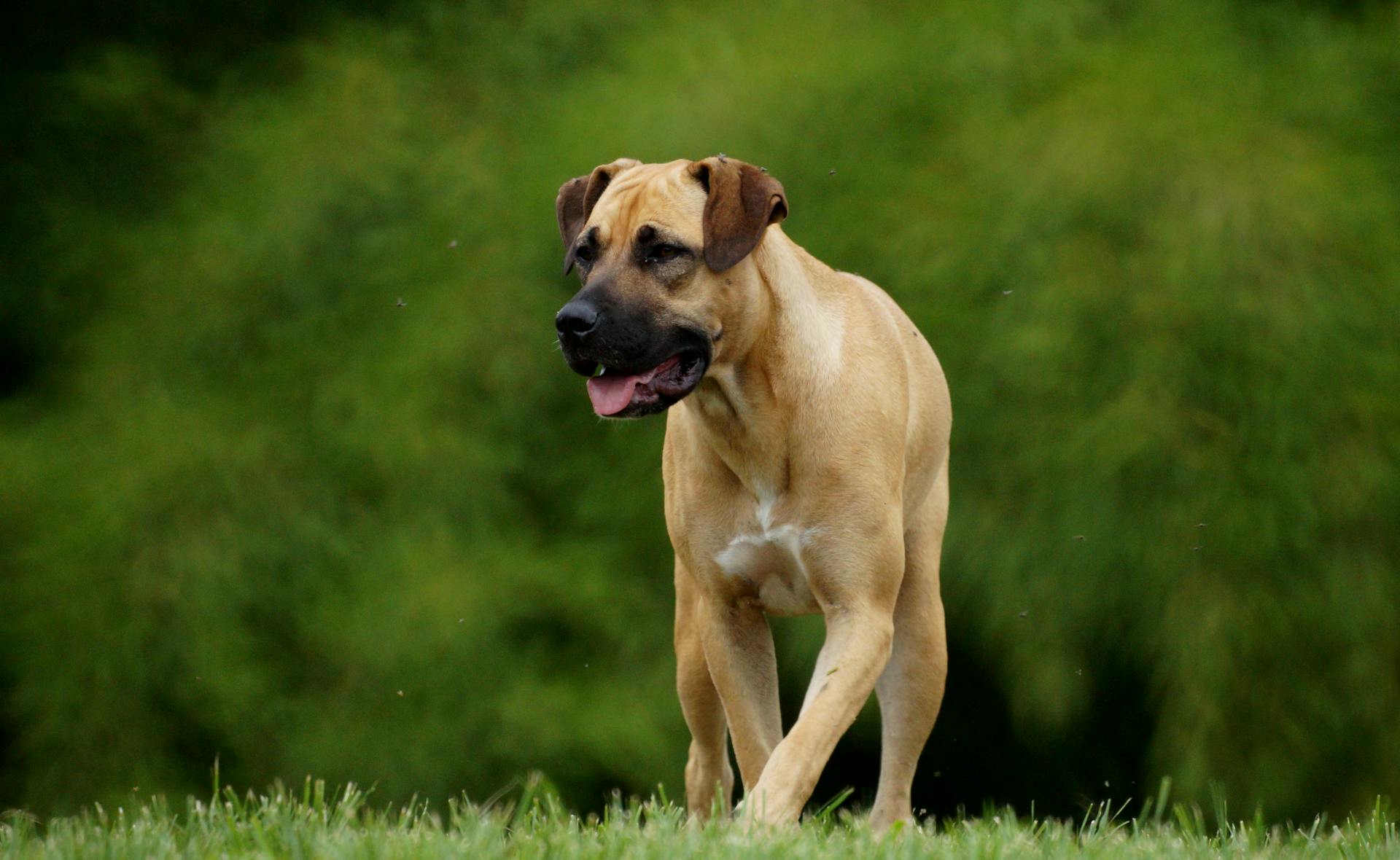
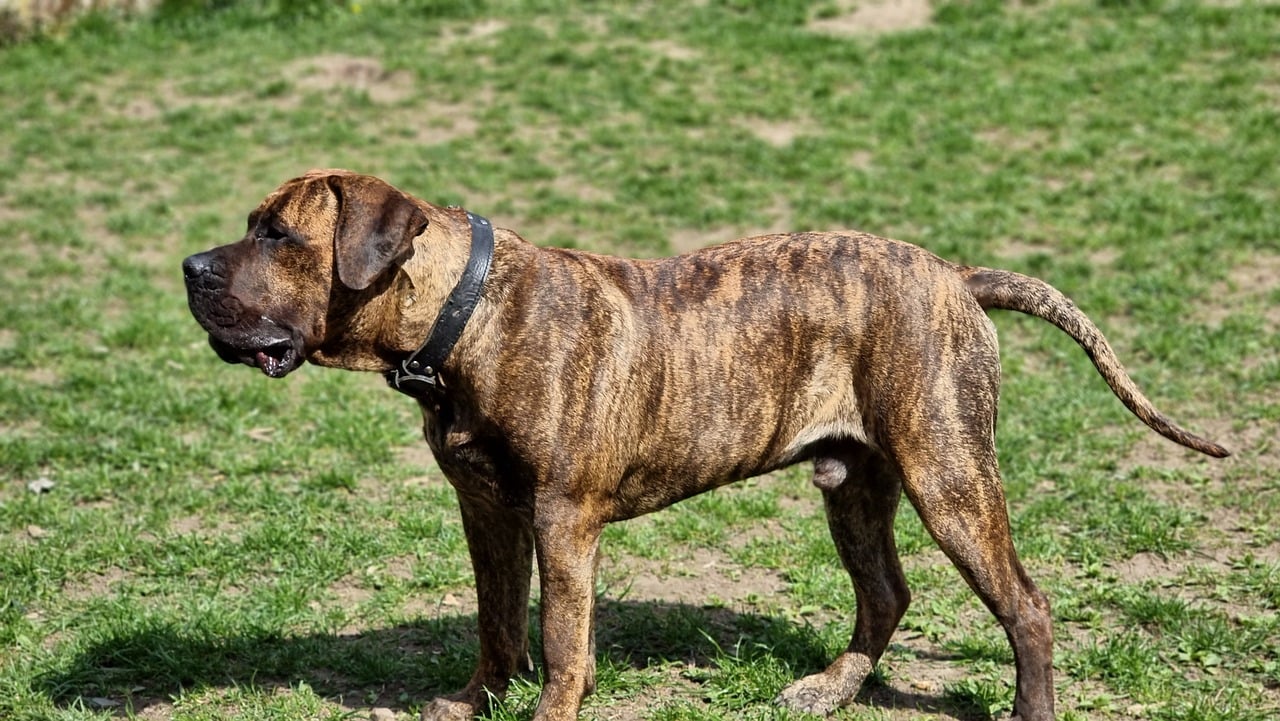
Bullmastiffs are robust and muscular with a significant presence. They have a short, dense coat that typically comes in shades of fawn, red, or brindle. Their broad muzzled face and dark, alert eyes convey a distinct expression of intelligence and reliability.
Despite their size, Bullmastiffs are surprisingly agile and possess good endurance. They have a balanced and powerful gait that showcases their strength and stability, making them adept at quick movements when necessary.
Bullmastiffs are known for their fearless yet gentle nature. They are intensely loyal to their families and tend to be reserved with strangers, making them excellent guard dogs. They require firm training and socialization from an early age to manage their protective instincts appropriately.
Given their size, Bullmastiffs need regular physical activity to stay healthy but do not require extensive exercise. They benefit from daily walks and moderate play sessions. Their short coat needs minimal grooming but should be checked regularly for signs of skin irritation.
Major concerns: Hip and elbow dysplasia, bloat, cancer
Minor concerns: Cardiac issues, hypothyroidism
Occasionally seen: Progressive retinal atrophy
Suggested tests: Hip, elbow, thyroid, eyes, heart
Life span: 8–10 years
The Bullmastiff’s legacy as a guardian and protector remains strong today. They are valued not only for their physical capabilities but also for their emotional intelligence and ability to integrate into family life as a loyal and protective companion.