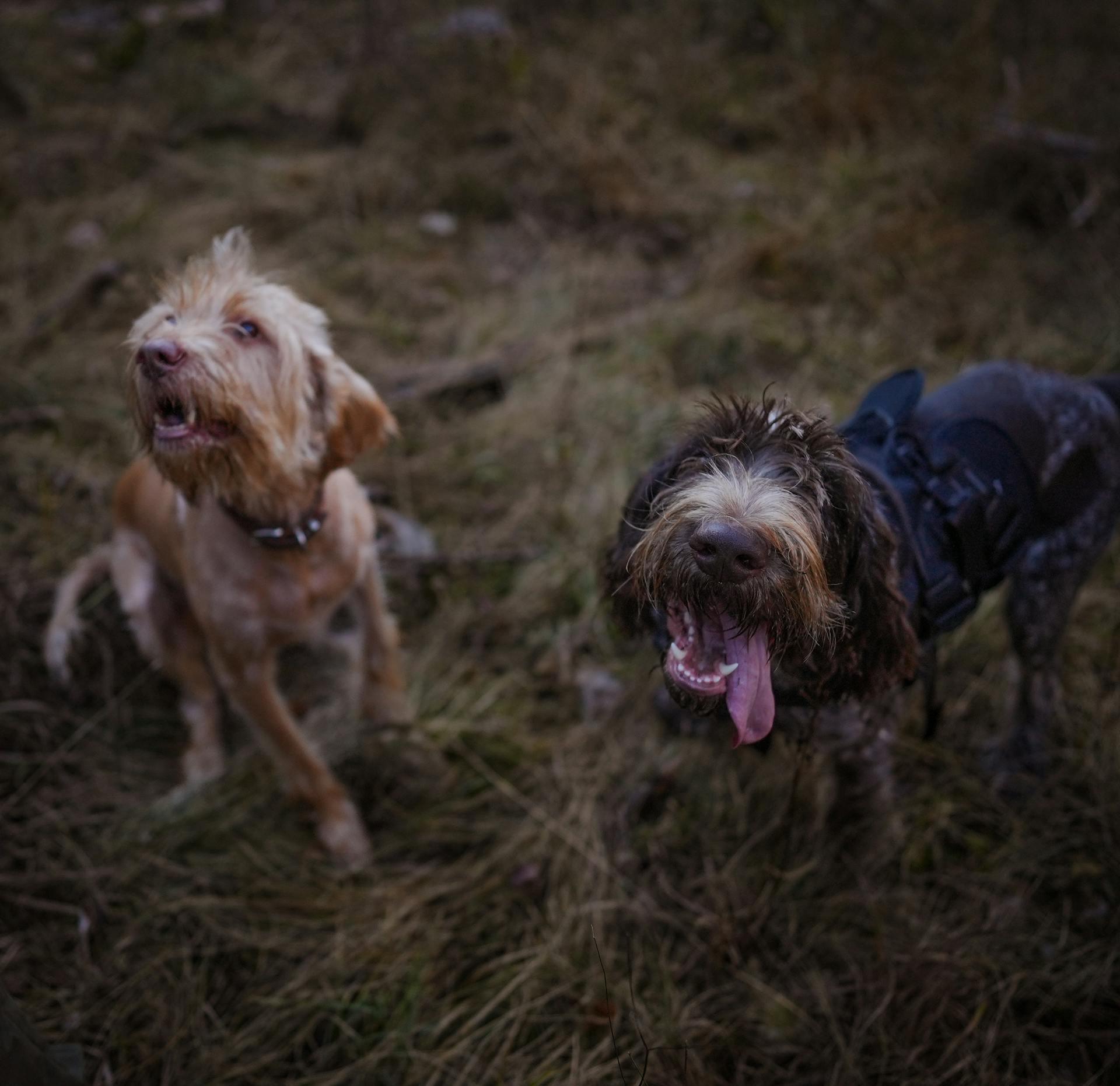
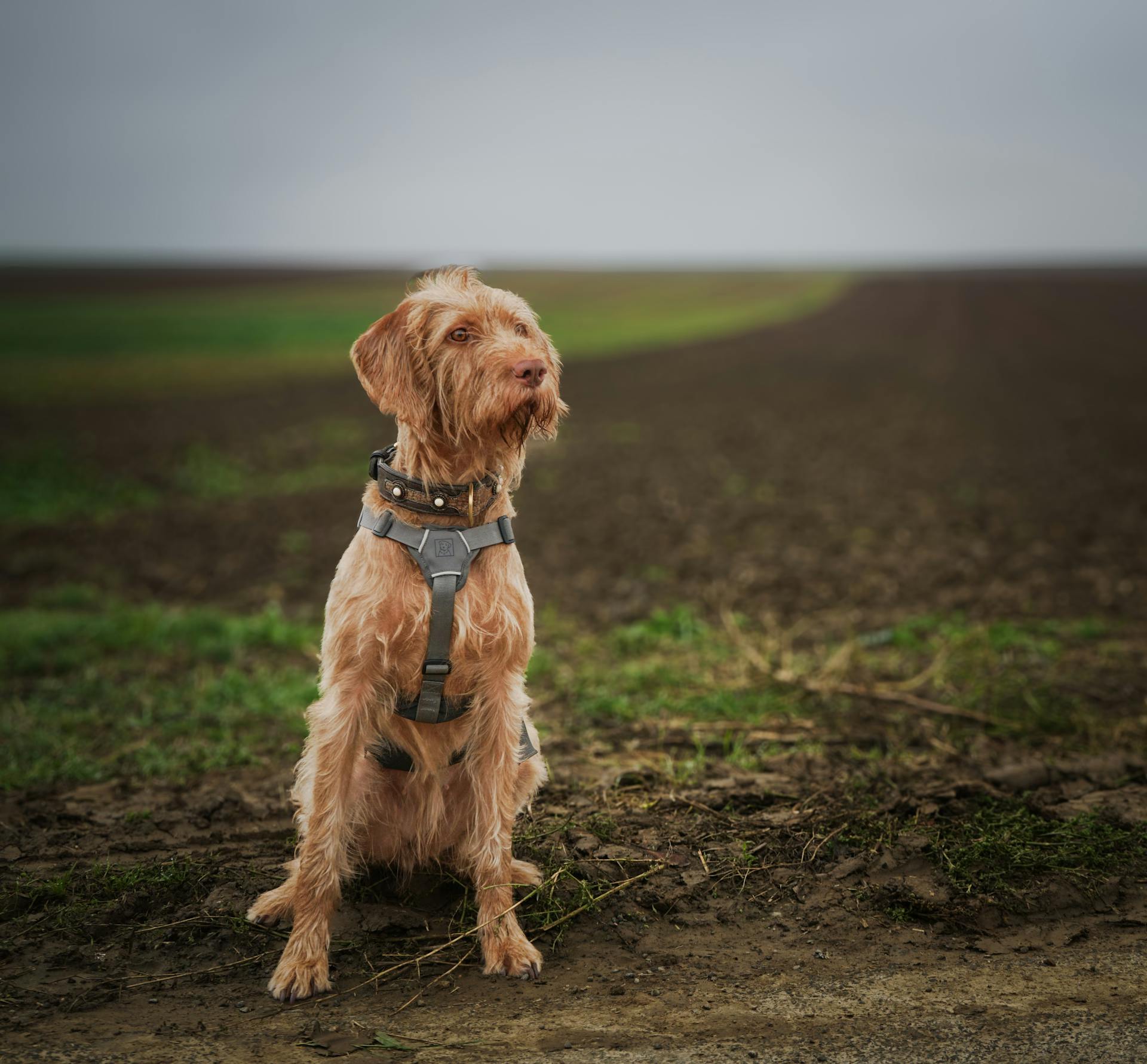
The Chesapeake Bay Retriever, often called “Chessie,” originated in the United States and was bred for waterfowl hunting in the Chesapeake Bay area of Maryland and Virginia. The breed’s ancestors include Newfoundland dogs, Irish Water Spaniels, and local retrievers.
Energy Level
Natural energy and enthusiasm throughout the day.
Exercise Needs
Amount of physical activity required to stay healthy.
Playfulness
Willingness to play and engage in games.
Affection Level
Tendency to show affection toward humans.
Dog Friendliness
Friendliness and tolerance toward other dogs.
Pet Friendliness
How well this pet gets along with other animals.
Stranger Friendliness
Reaction toward unfamiliar people.
Ease of Training
How easy it is to train and teach commands.
Watchfulness
Alertness and tendency to notice surroundings.
Vocality
Tendency to bark, meow, or make other sounds.
Grooming Requirements
Level of grooming effort needed on a regular basis.
Heat Sensitivity
Sensitivity to hot weather conditions.
Cold Tolerance
Ability to withstand cold temperatures.
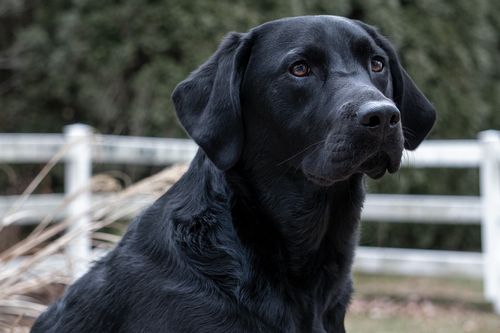
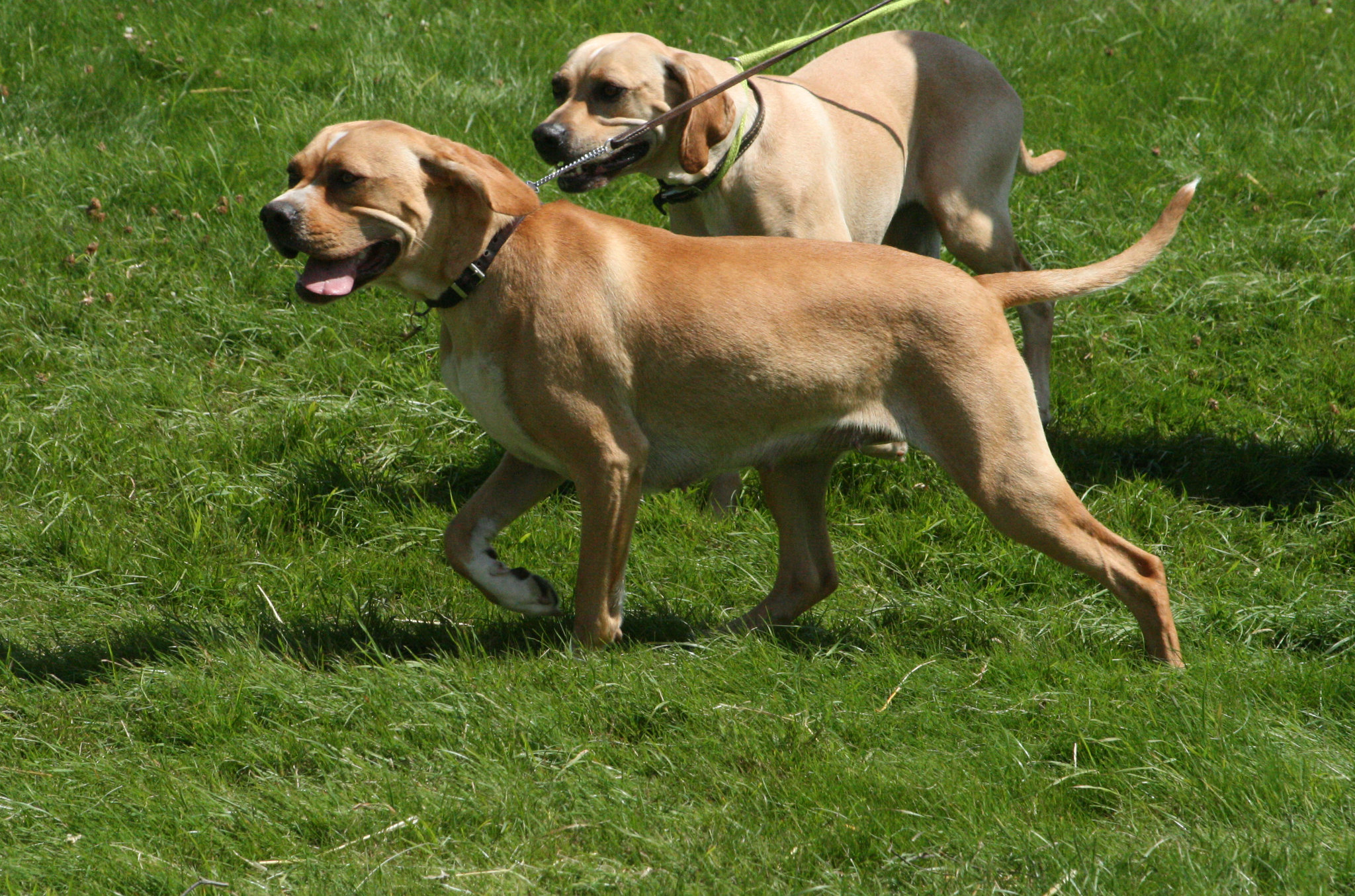
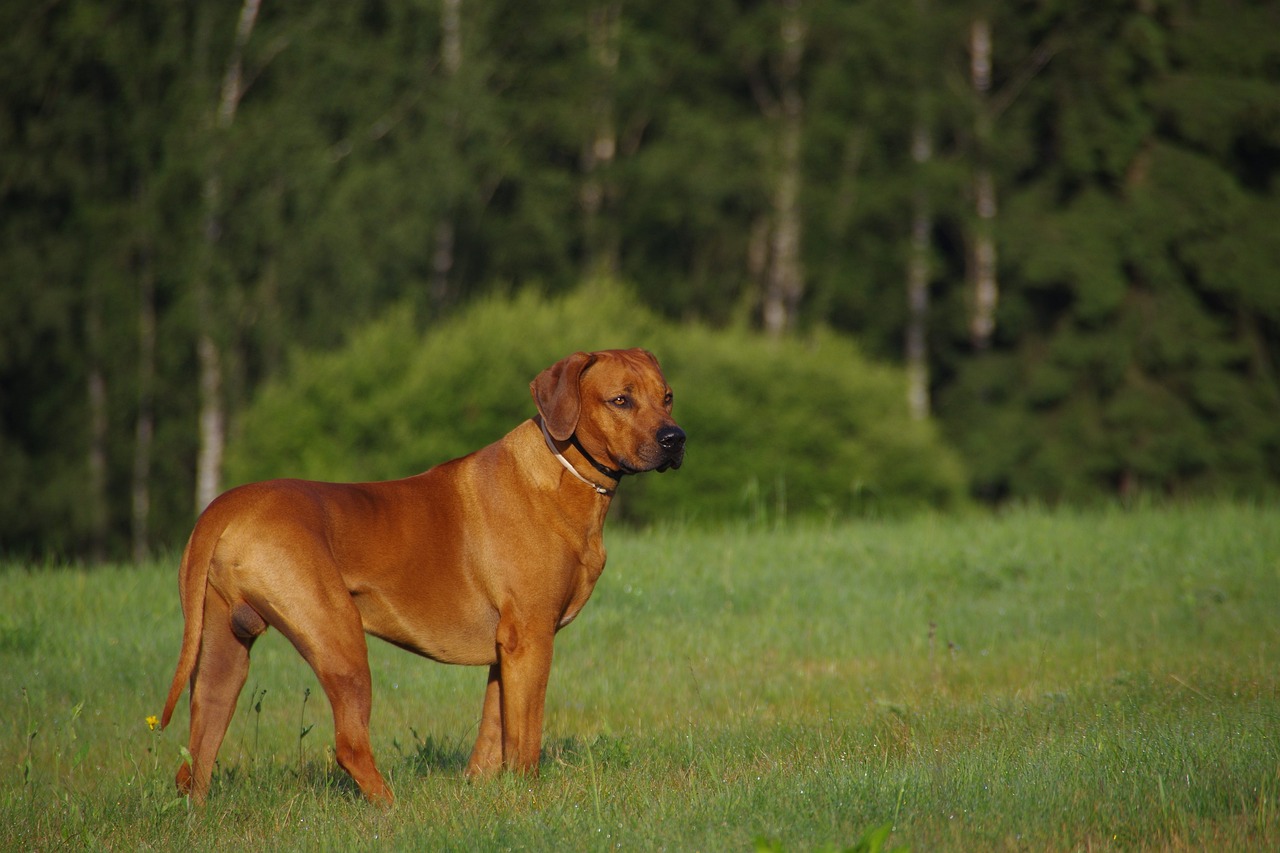
The Chesapeake Bay Retriever is medium to large in size with a sturdy build and strong bones. They have a dense, waterproof coat that comes in various shades of brown, from deep chocolate to light tan. Their eyes are typically yellow or amber, and their ears are medium-sized, hanging close to the head. The tail is thick and helps them maintain balance while swimming.
Chesapeake Bay Retrievers are natural swimmers and love water activities. They possess great endurance and strength, making them perfect for long outdoor activities and hunting tasks. Their gait is powerful and steady, excelling in agility and obedience competitions.
Chessies are known for their friendly, intelligent, and independent nature. They are very loyal to their owners and affectionate with family members but can be reserved with strangers. Their intelligence and trainability make them excellent working dogs and family companions. Early socialization and consistent training are essential for managing their independence and energy.
Chesapeake Bay Retrievers require regular exercise to stay healthy and happy. They enjoy swimming, hiking, and various outdoor activities. Their thick coat needs regular brushing to prevent matting and maintain health. Regular ear checks and cleaning are important to prevent infections. Due to their larger size, they need a high-quality diet to support their energy needs.
Major Concerns: Hip dysplasia, progressive retinal atrophy
Minor Concerns: Elbow dysplasia, hypothyroidism
Occasional Issues: Bloat, epilepsy
Recommended Tests: Hip, elbow, eye, thyroid
Lifespan: 10–13 years
Chesapeake Bay Retrievers have been highly valued in the United States for their exceptional swimming and retrieving abilities. Originally bred for hunting waterfowl in the cold waters of the Chesapeake Bay, they are now beloved as family pets and working dogs. Their bravery and endurance make them stand out in various canine activities and continue to win the hearts of dog enthusiasts.