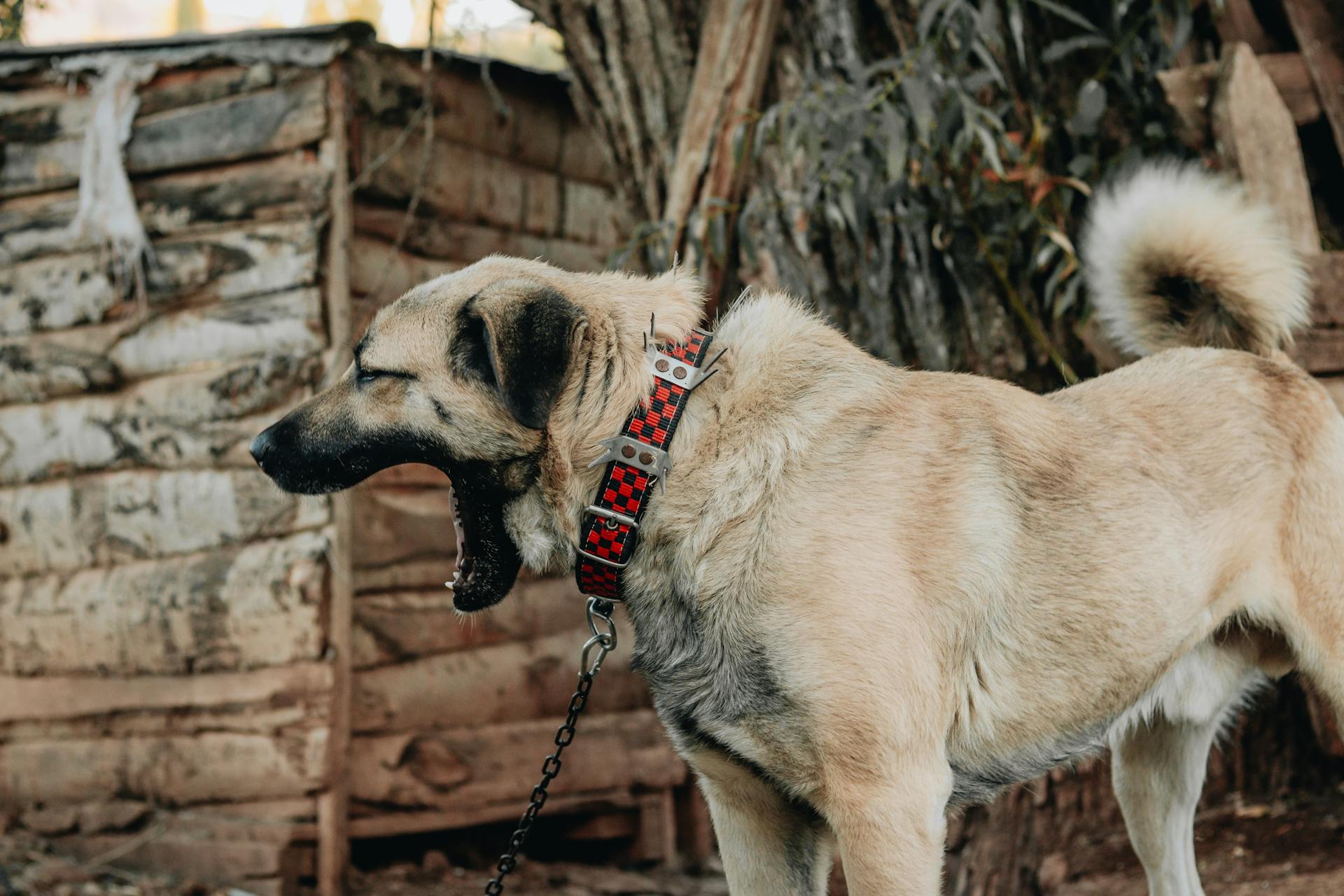
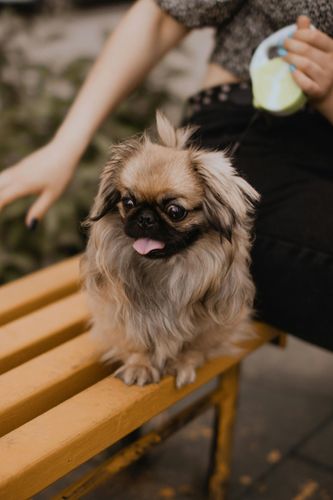
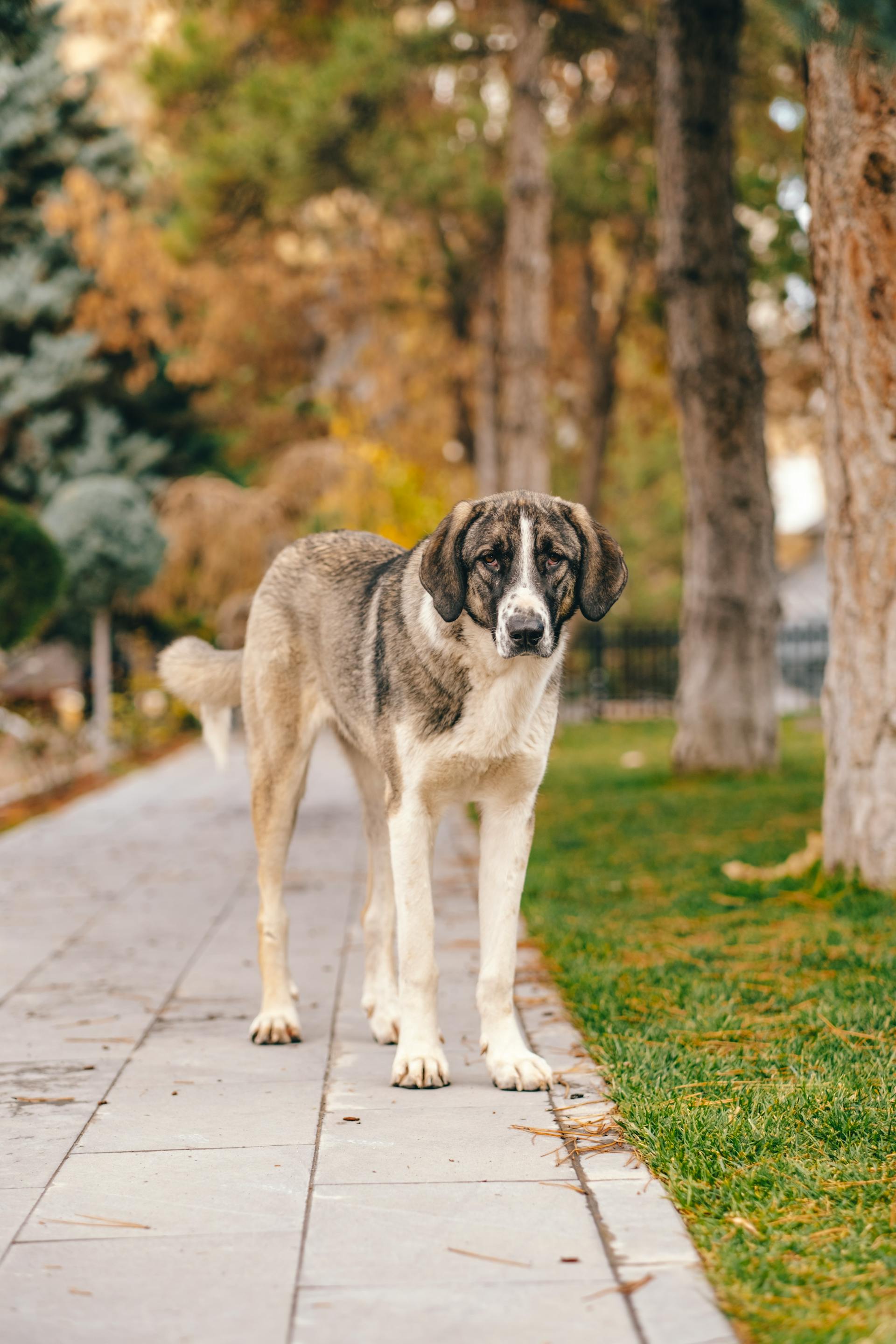
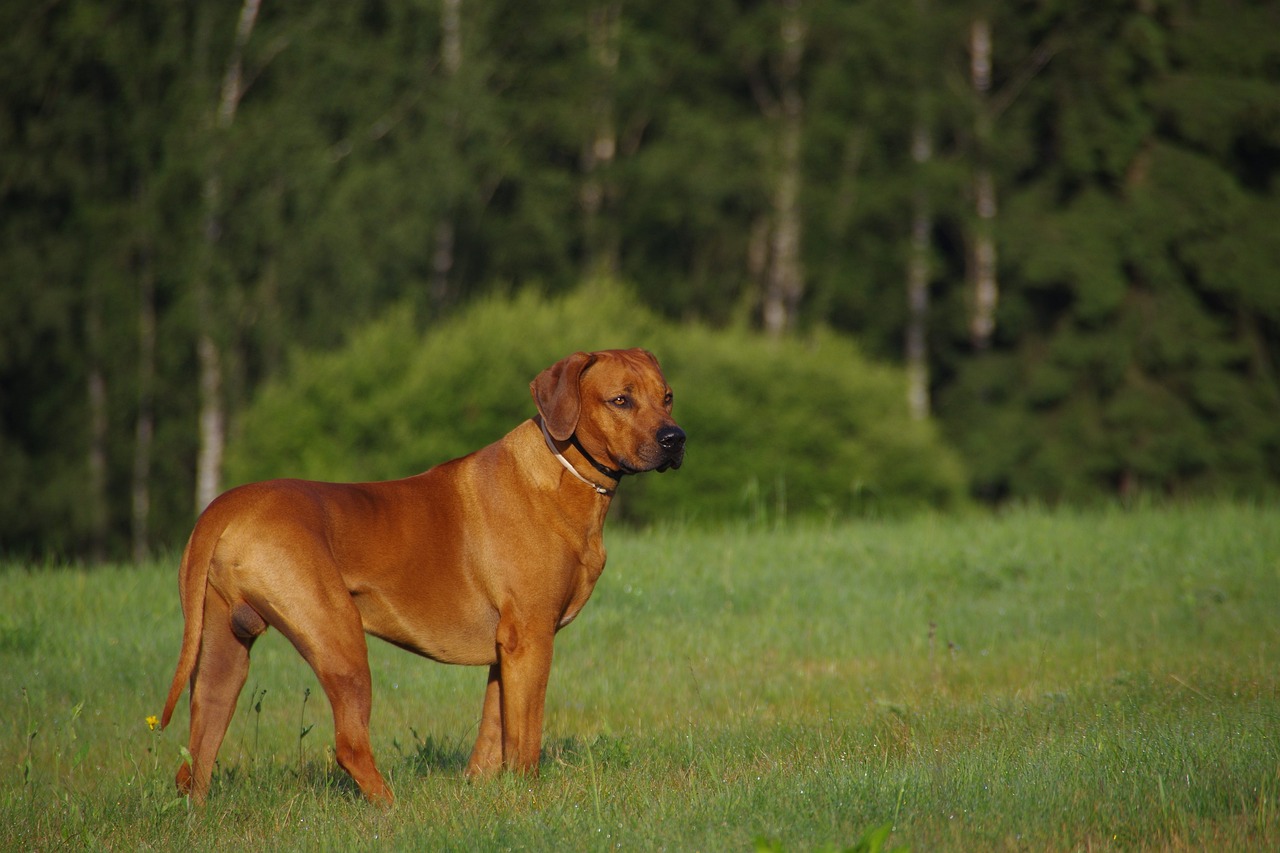
The Chow Chow is one of the oldest dog breeds, with a history dating back over 2,000 years in China. Originally bred as a working dog for hunting, herding, pulling carts, and guarding, the Chow Chow has a rich heritage. The breed was prized by Chinese nobility and even served as temple guards. The name “Chow Chow” likely derives from the pidgin-English term “chow-chow,” which means miscellaneous items, referencing the breed’s diverse roles in Chinese culture.
Energy Level
Natural energy and enthusiasm throughout the day.
Exercise Needs
Amount of physical activity required to stay healthy.
Playfulness
Willingness to play and engage in games.
Affection Level
Tendency to show affection toward humans.
Dog Friendliness
Friendliness and tolerance toward other dogs.
Pet Friendliness
How well this pet gets along with other animals.
Stranger Friendliness
Reaction toward unfamiliar people.
Ease of Training
How easy it is to train and teach commands.
Watchfulness
Alertness and tendency to notice surroundings.
Vocality
Tendency to bark, meow, or make other sounds.
Grooming Requirements
Level of grooming effort needed on a regular basis.
Heat Sensitivity
Sensitivity to hot weather conditions.
Cold Tolerance
Ability to withstand cold temperatures.
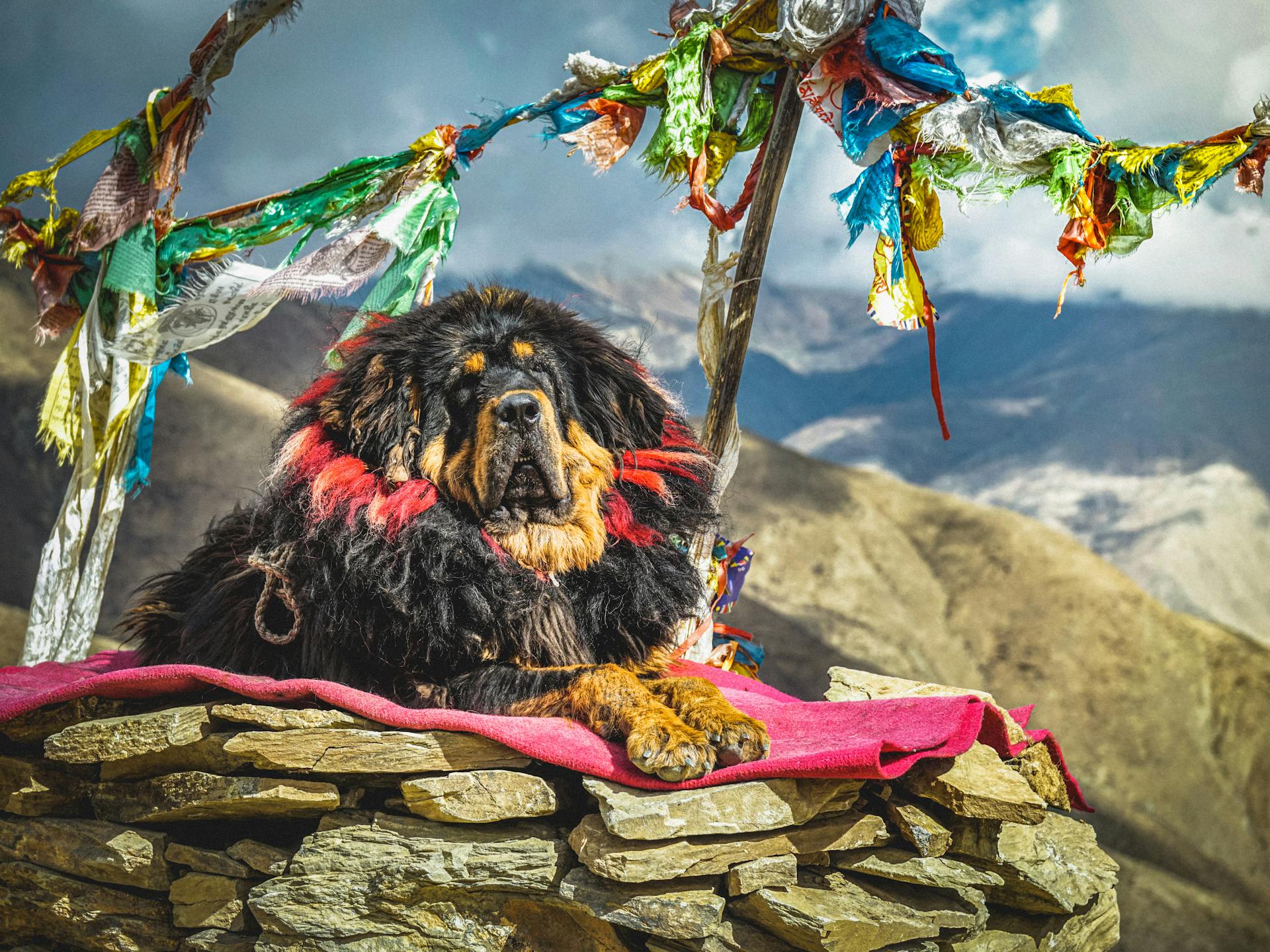
Chow Chows are medium-sized dogs with a sturdy, square-built frame. They are instantly recognizable by their dense double coat, which can be rough or smooth, and their distinctive lion-like mane around the head and shoulders. Their coat colors include red, black, blue, cinnamon, and cream. One of their most unique features is their blue-black tongue. Chow Chows have deep-set, almond-shaped eyes, and small, triangular ears that stand erect. Their overall appearance exudes dignity and strength.
Chow Chows have a unique, stilted gait, resulting from their straight hind legs. They are not as athletically inclined as some other breeds, but they enjoy moderate exercise such as daily walks and playtime in a secure yard. Regular physical activity helps keep them healthy and prevents boredom. Due to their independent nature, Chow Chows can be somewhat aloof, but they are also known for their loyalty to their families.
Chow Chows are known for their independent and dignified temperament. They are loyal and protective of their families but can be reserved with strangers. Early socialization and consistent, positive training are essential to raising a well-behaved Chow Chow. They are not typically a “lap dog” but enjoy being close to their loved ones. Their independent nature means they can be quite self-sufficient, but they thrive on regular interaction and companionship with their human family.
The Chow Chow’s thick double coat requires regular grooming to prevent matting and reduce shedding. Weekly brushing is recommended, with more frequent grooming needed during seasonal shedding periods. Regular dental care, nail trimming, and ear cleaning are also important to keep them healthy. Chow Chows benefit from a balanced diet and regular veterinary check-ups to monitor their health and address any potential issues.
Major concerns: hip dysplasia, elbow dysplasia, entropion
Minor concerns: allergies, hypothyroidism
Occasionally seen: bloat, heat intolerance
Suggested tests: hip, elbow, eye, thyroid
Life span: 8–12 years
The Chow Chow’s rich history and unique appearance have made it a beloved breed worldwide. From its origins as a working dog in ancient China to its role as a loyal companion today, the Chow Chow has maintained its dignified and independent nature. The breed’s distinctive look and loyal temperament continue to attract admirers, ensuring its place as a cherished member of the canine community. The Chow Chow’s legacy of strength, loyalty, and independence remains a testament to its enduring appeal.