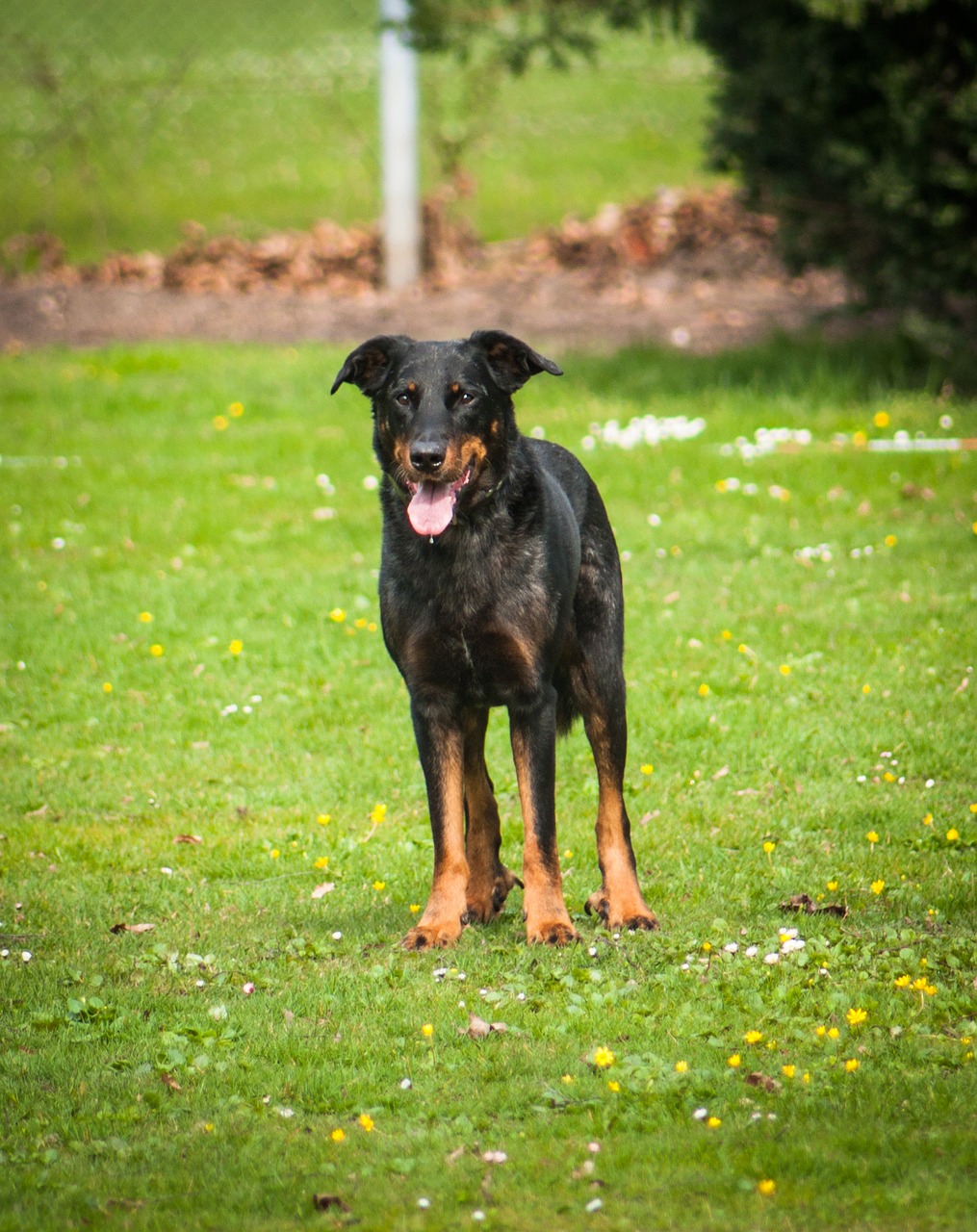
The Czechoslovakian Vlcak, also known as the Czechoslovakian Wolfdog, originated in Czechoslovakia in the 1950s. It was developed as a military and working dog by crossing German Shepherds with Carpathian wolves. The goal was to create a breed with the trainability and temperament of a German Shepherd and the endurance and physical build of a wolf. Officially recognized in 1982, the Vlcak has since gained popularity as a versatile working dog and loyal companion.
Energy Level
Natural energy and enthusiasm throughout the day.
Exercise Needs
Amount of physical activity required to stay healthy.
Playfulness
Willingness to play and engage in games.
Affection Level
Tendency to show affection toward humans.
Dog Friendliness
Friendliness and tolerance toward other dogs.
Pet Friendliness
How well this pet gets along with other animals.
Stranger Friendliness
Reaction toward unfamiliar people.
Ease of Training
How easy it is to train and teach commands.
Watchfulness
Alertness and tendency to notice surroundings.
Vocality
Tendency to bark, meow, or make other sounds.
Grooming Requirements
Level of grooming effort needed on a regular basis.
Heat Sensitivity
Sensitivity to hot weather conditions.
Cold Tolerance
Ability to withstand cold temperatures.
The Czechoslovakian Vlcak has a striking wolf-like appearance, with a strong, muscular build and a rectangular frame. Their coat is dense and straight, typically gray in color with a lighter mask and underbelly. The eyes are amber or light brown, set obliquely, giving them a keen and intelligent expression. Ears are erect and triangular, adding to their alert and attentive look. Males stand between 24 to 26 inches at the shoulder, while females are slightly smaller, standing between 22 to 24 inches. Their weight ranges from 44 to 57 pounds.
Czechoslovakian Vlcaks are known for their exceptional stamina and agility. They have a light, efficient gait that allows them to cover long distances effortlessly. This breed excels in activities that require endurance, speed, and agility, such as tracking, obedience, agility trials, and even search and rescue missions. Their high energy levels and need for regular exercise make them best suited to active owners who can provide plenty of physical and mental stimulation.
The Czechoslovakian Vlcak is loyal and affectionate with its family but can be wary of strangers. They are intelligent and independent, often requiring consistent training and socialization from an early age. Vlcaks form strong bonds with their owners and thrive on companionship. They can be protective and make excellent watchdogs. While they are generally good with children and other pets, their high prey drive and energetic nature require supervision and proper training.
Caring for a Czechoslovakian Vlcak involves regular exercise to meet their high energy needs. They require daily physical activities such as running, hiking, and engaging in dog sports. Their dense coat requires regular brushing, especially during shedding seasons, to keep it healthy and reduce loose hair. Regular vet check-ups are essential to monitor their health, and early socialization and training are crucial to ensure they develop into well-behaved adults.
Major concerns: hip dysplasia, elbow dysplasia, degenerative myelopathy
Minor concerns: hypothyroidism, progressive retinal atrophy (PRA)
Occasionally seen: none
Suggested tests: hip, elbow, eye, thyroid
Life span: 12–16 years
The Czechoslovakian Vlcak’s history as a crossbreed between German Shepherds and Carpathian wolves has given it a unique place in the world of working dogs. Initially bred for military and patrol duties, their versatility has seen them excel in various roles, including search and rescue, tracking, and competitive dog sports. Today, they are cherished for their loyalty, intelligence, and striking appearance, making them a beloved choice for those who can meet their demanding needs.