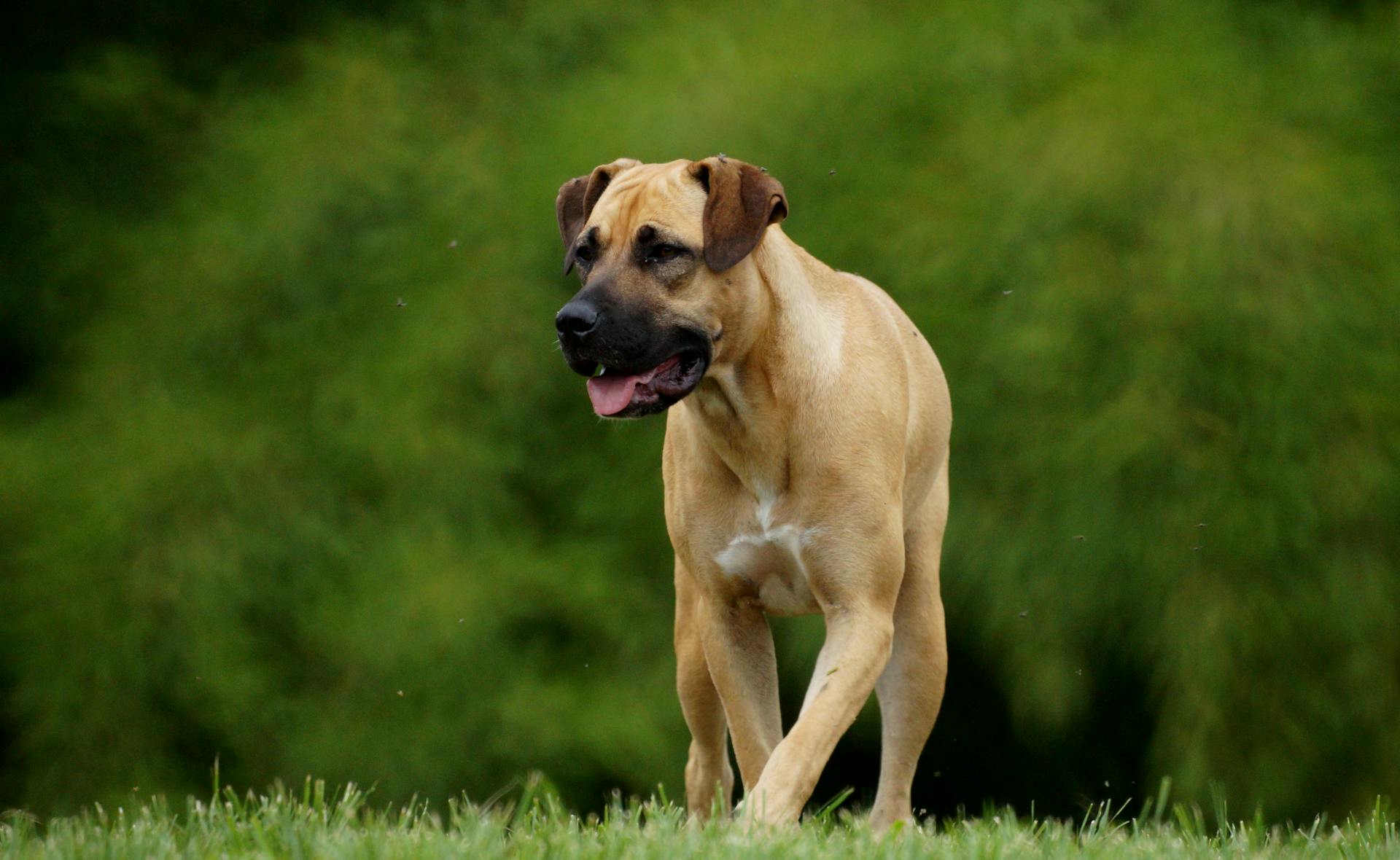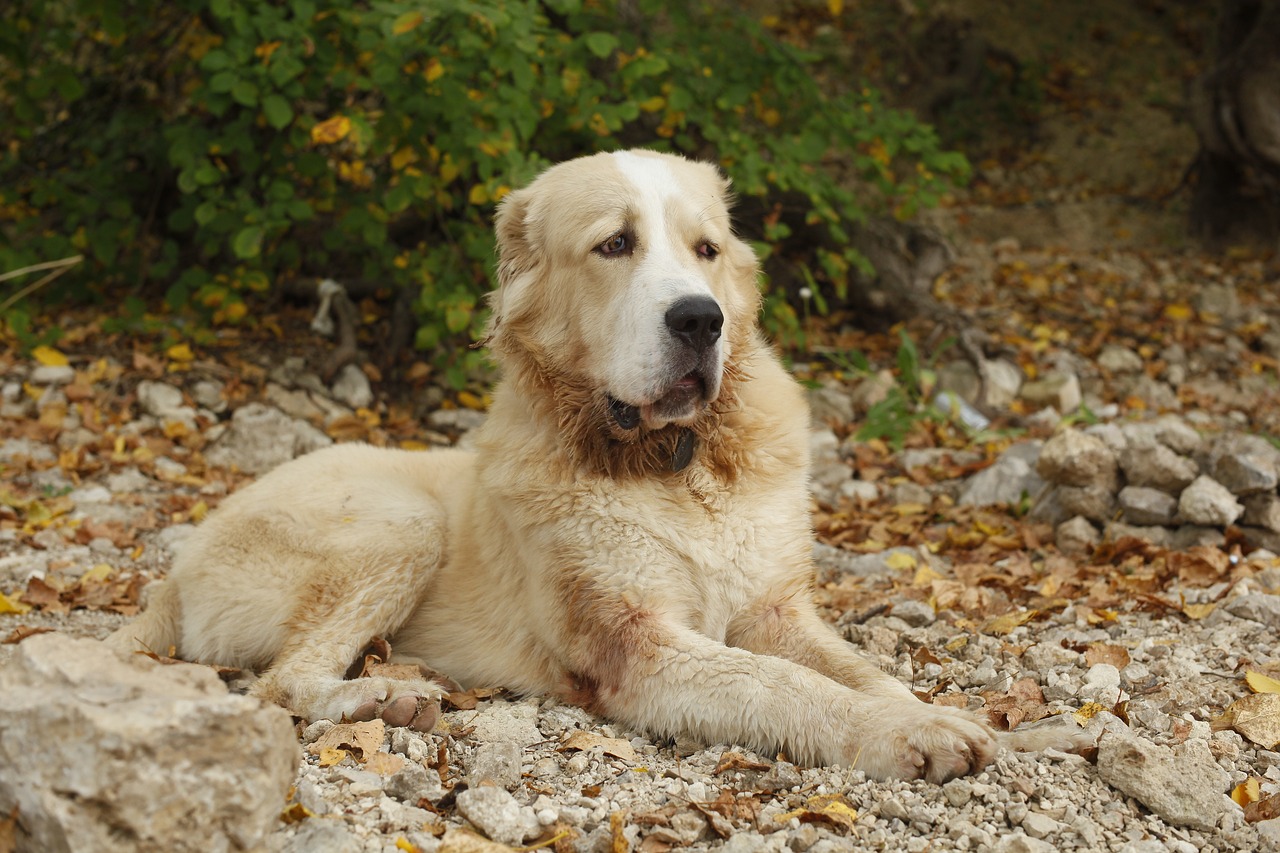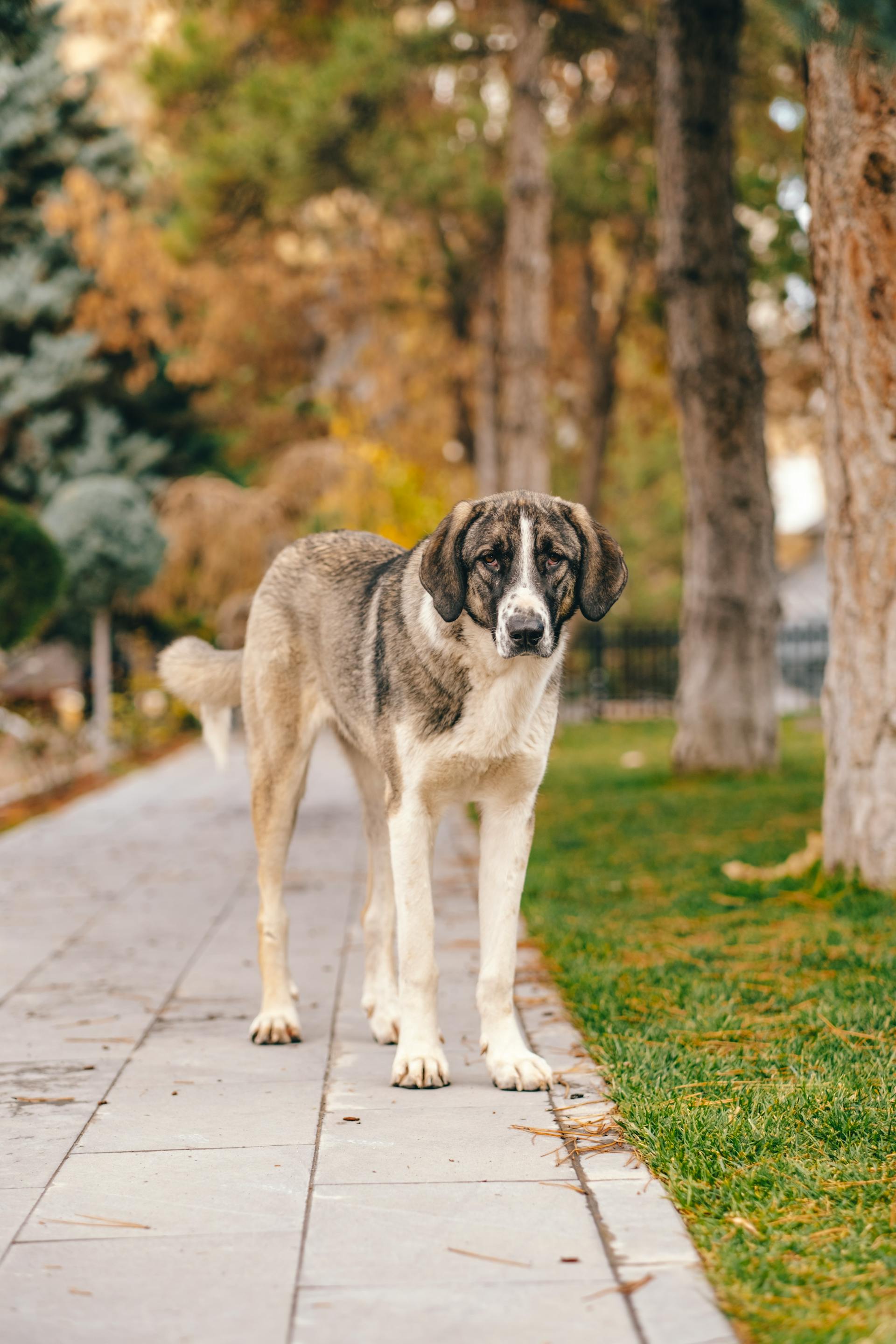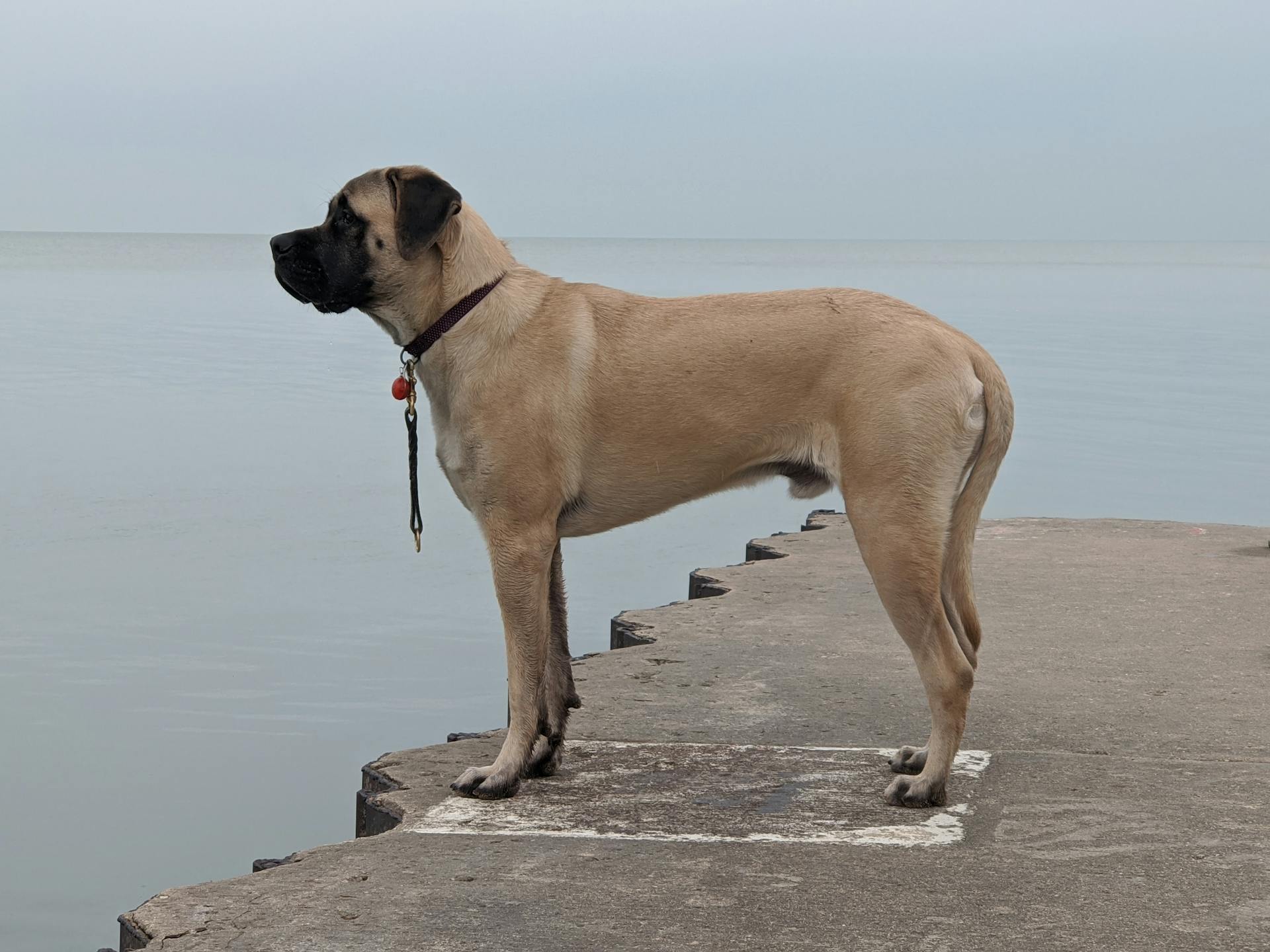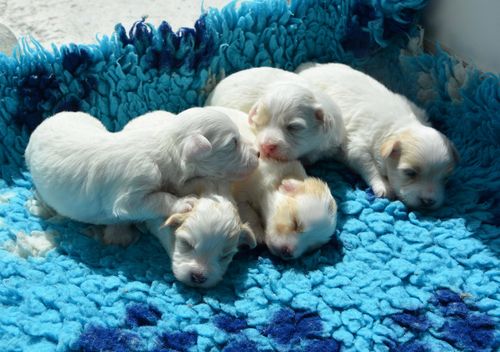
The Great Pyrenees originated in the Pyrenees Mountains, which form a natural border between France and Spain. They were primarily used as livestock guardian dogs, tasked with protecting sheep from predators like wolves and bears. Their strong protective instincts and impressive size made them invaluable to shepherds.
Energy Level
Natural energy and enthusiasm throughout the day.
Exercise Needs
Amount of physical activity required to stay healthy.
Playfulness
Willingness to play and engage in games.
Affection Level
Tendency to show affection toward humans.
Dog Friendliness
Friendliness and tolerance toward other dogs.
Pet Friendliness
How well this pet gets along with other animals.
Stranger Friendliness
Reaction toward unfamiliar people.
Ease of Training
How easy it is to train and teach commands.
Watchfulness
Alertness and tendency to notice surroundings.
Vocality
Tendency to bark, meow, or make other sounds.
Grooming Requirements
Level of grooming effort needed on a regular basis.
Heat Sensitivity
Sensitivity to hot weather conditions.
Cold Tolerance
Ability to withstand cold temperatures.
Appearance and Characteristics
Great Pyrenees dogs are known for their majestic, white coats, which may also have shades of gray or tan around the face and ears. They have a powerful build with a broad chest and strong, muscular legs. Their head is wedge-shaped with a slightly rounded crown, and their eyes are dark and contemplative, reflecting their intelligent and calm demeanor.
Movement and Athleticism
Despite their large size, Great Pyrenees move with elegance and grace. They possess a slow, deliberate gait, but can quickly spring into action when their protective instincts are triggered. Their strong, steady movements are well-suited for their traditional role as guardian dogs.
Temperament and Personality
Great Pyrenees are calm, patient, and protective. They are known for their gentle temperament when around their family but can be reserved and wary of strangers, making them excellent guard dogs. They are intelligent and independent, which can sometimes translate to stubbornness, especially in training.
Care and Upkeep
The Great Pyrenees requires regular grooming to maintain their thick, weather-resistant coat, especially during shedding season. They need moderate exercise to stay healthy, but are generally less active than many other breeds. As with any large breed, the Great Pyrenees is prone to certain health issues, such as hip dysplasia and bloat, and should have regular veterinary check-ups.
Health and Lifespan
Major concerns: hip dysplasia, bloat
Minor concerns: patellar luxation, bone cancer
Occasionally seen: skin conditions, eye disorders
Suggested tests: hip, elbow, eye
Life span: 10–12 years
History and Legacy
The Great Pyrenees’ history as a guardian breed has seen it spread across the world, particularly in roles that capitalize on its protective nature. It has also found a place in families seeking a calm, watchful companion. Its legacy as a guardian and companion continues to make it a respected and beloved breed among dog enthusiasts.