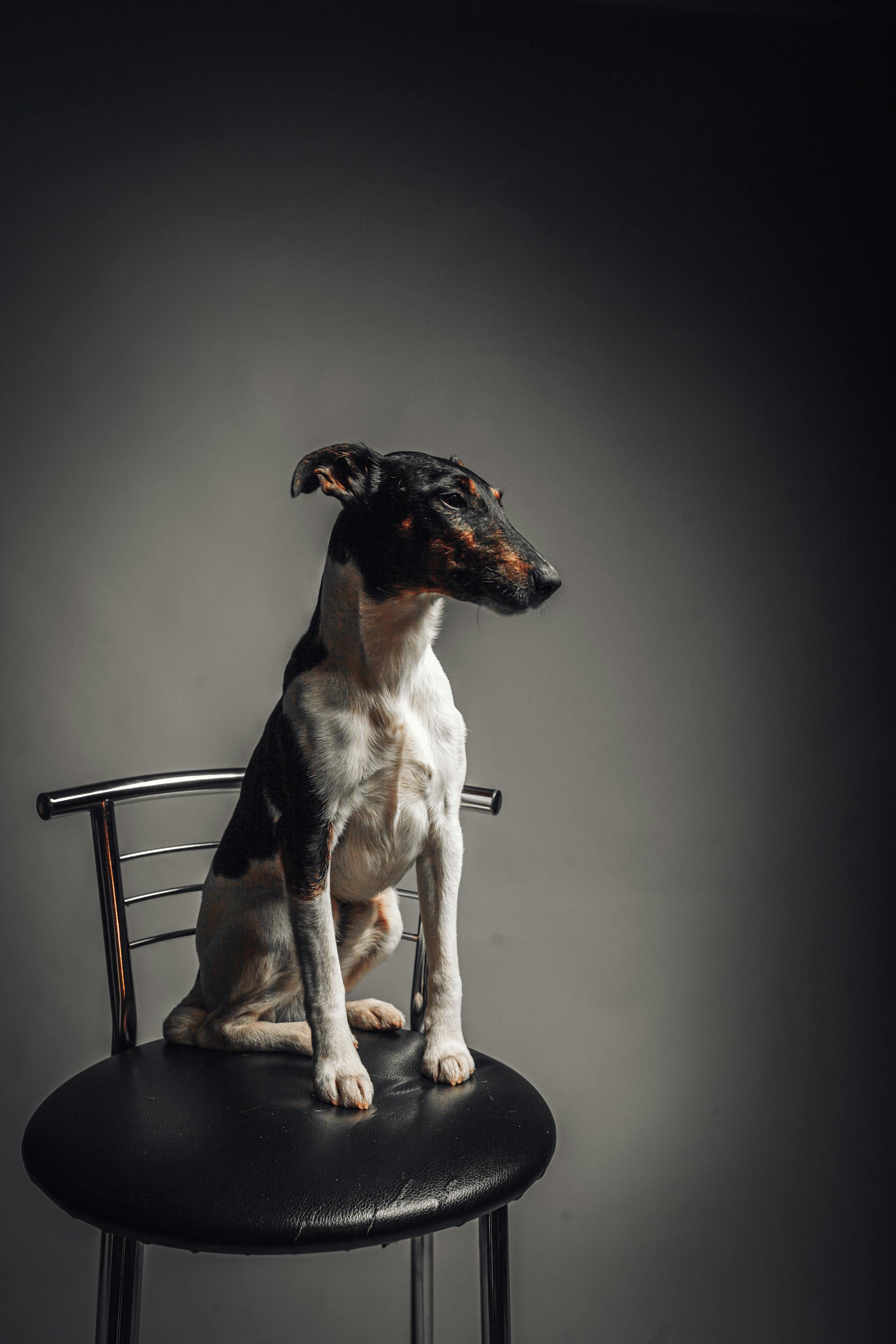
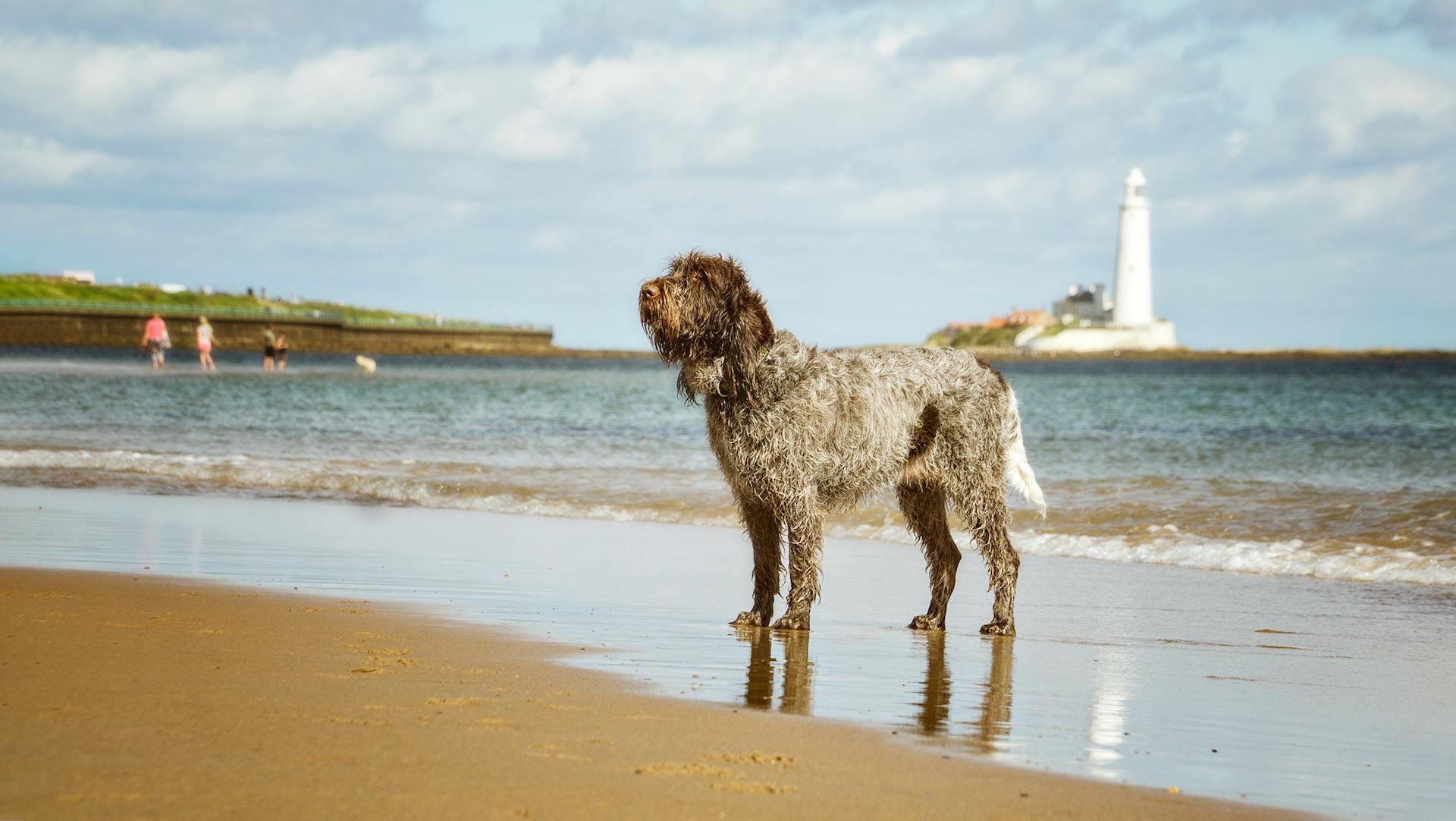
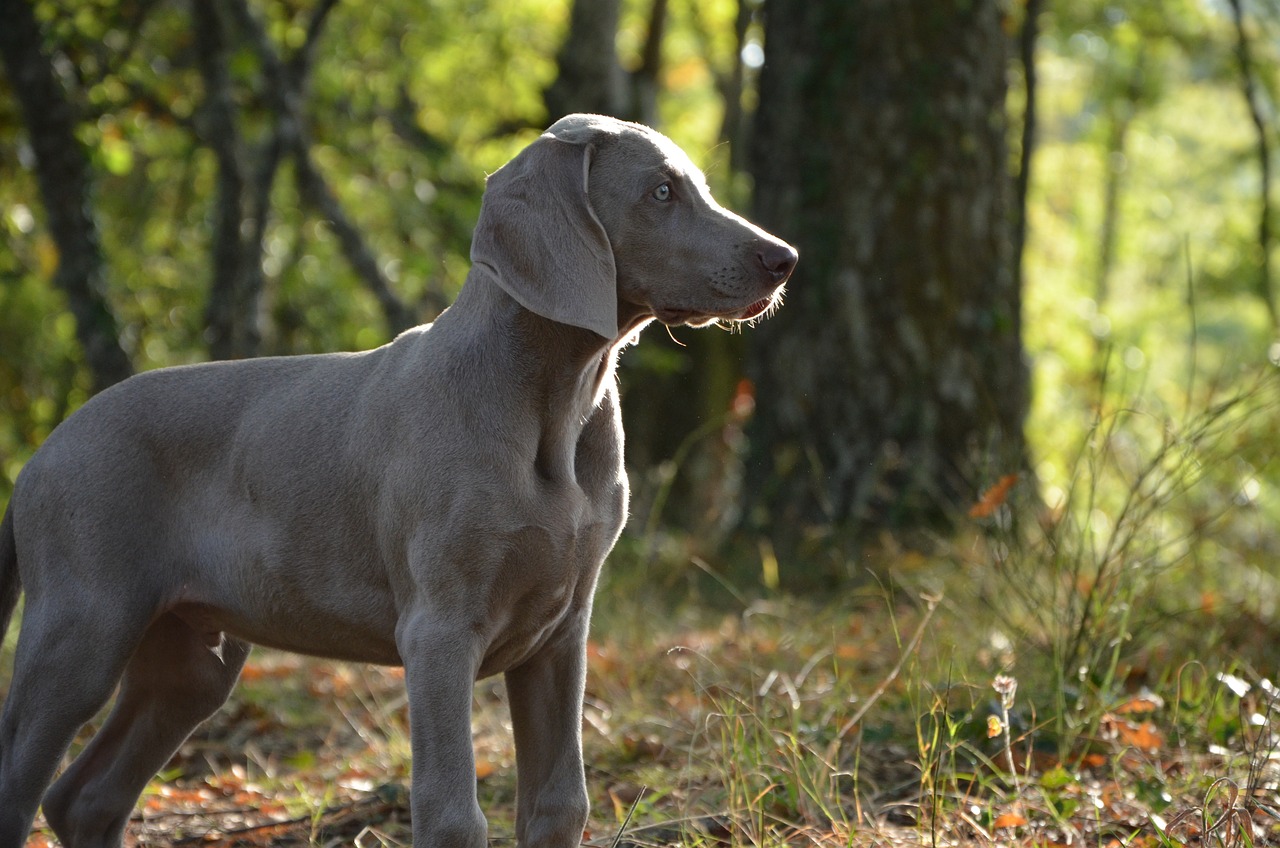
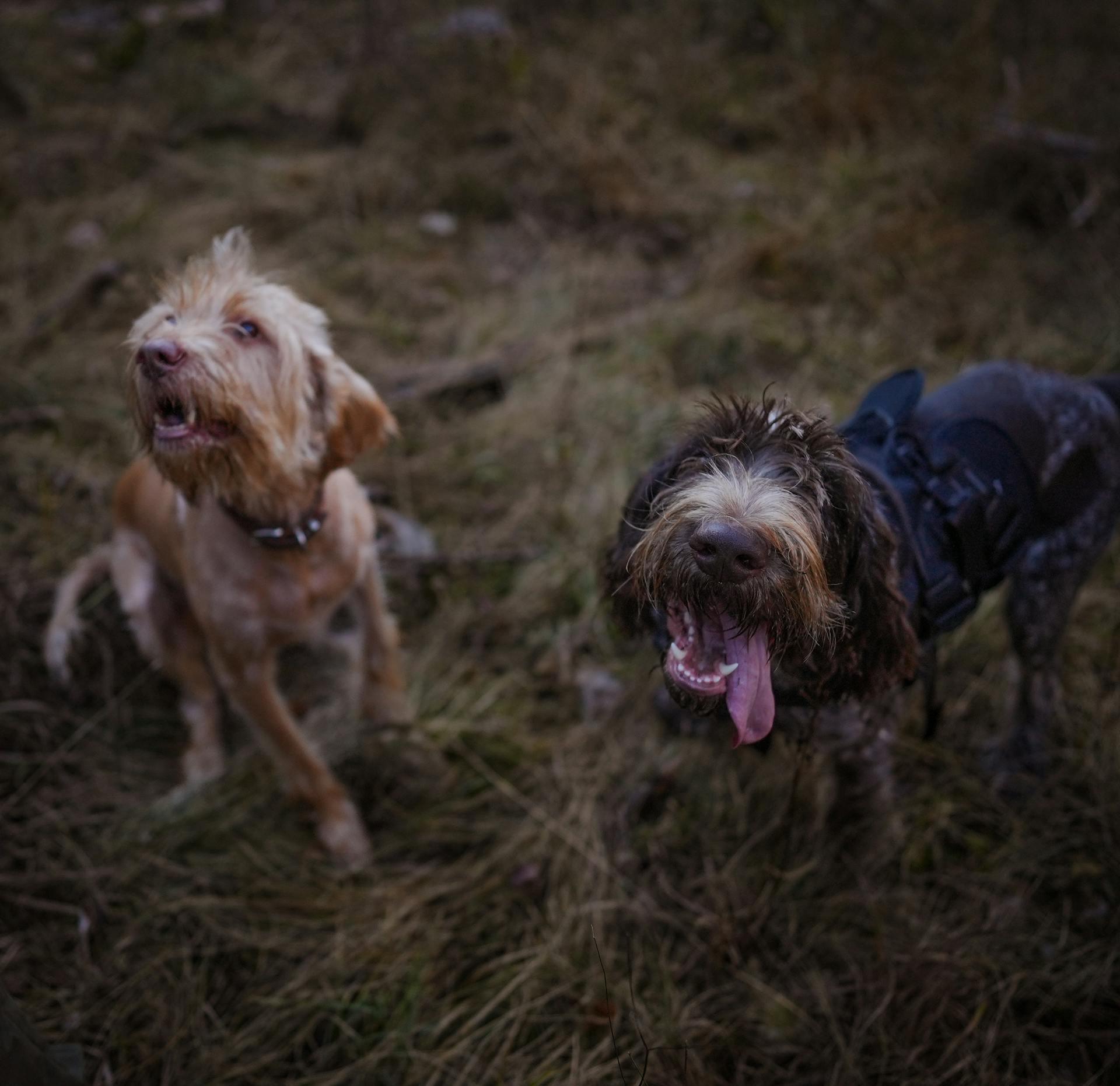
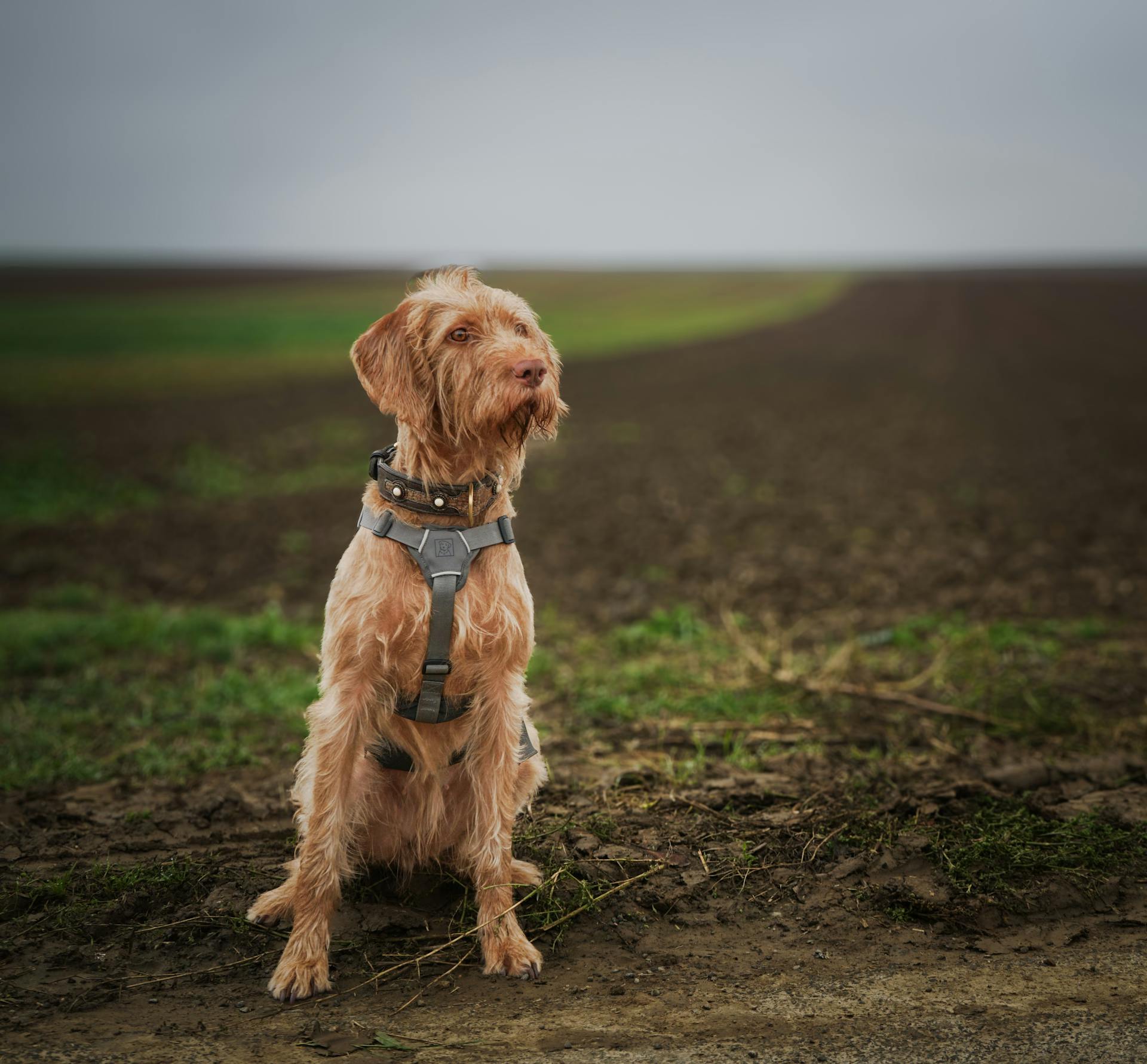
The Kooikerhondje, also known as the Dutch Decoy Dog, originated in the Netherlands. This breed was historically used to lure ducks into traps for hunters. Their name “Kooikerhondje” comes from the Dutch words “kooiker,” meaning decoy, and “hondje,” meaning little dog. They have been popular in Europe since the 16th century.
Energy Level
Natural energy and enthusiasm throughout the day.
Exercise Needs
Amount of physical activity required to stay healthy.
Playfulness
Willingness to play and engage in games.
Affection Level
Tendency to show affection toward humans.
Dog Friendliness
Friendliness and tolerance toward other dogs.
Pet Friendliness
How well this pet gets along with other animals.
Stranger Friendliness
Reaction toward unfamiliar people.
Ease of Training
How easy it is to train and teach commands.
Watchfulness
Alertness and tendency to notice surroundings.
Vocality
Tendency to bark, meow, or make other sounds.
Grooming Requirements
Level of grooming effort needed on a regular basis.
Heat Sensitivity
Sensitivity to hot weather conditions.
Cold Tolerance
Ability to withstand cold temperatures.
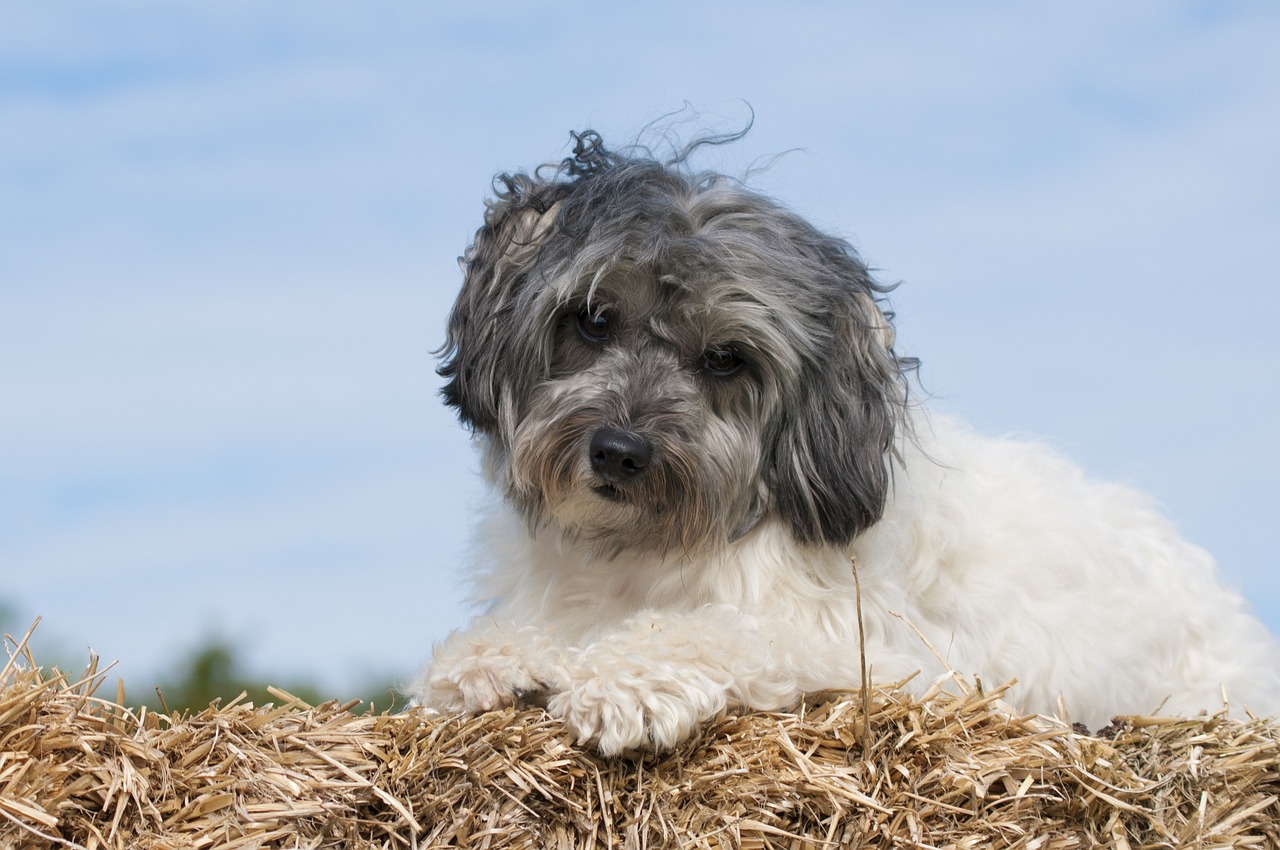
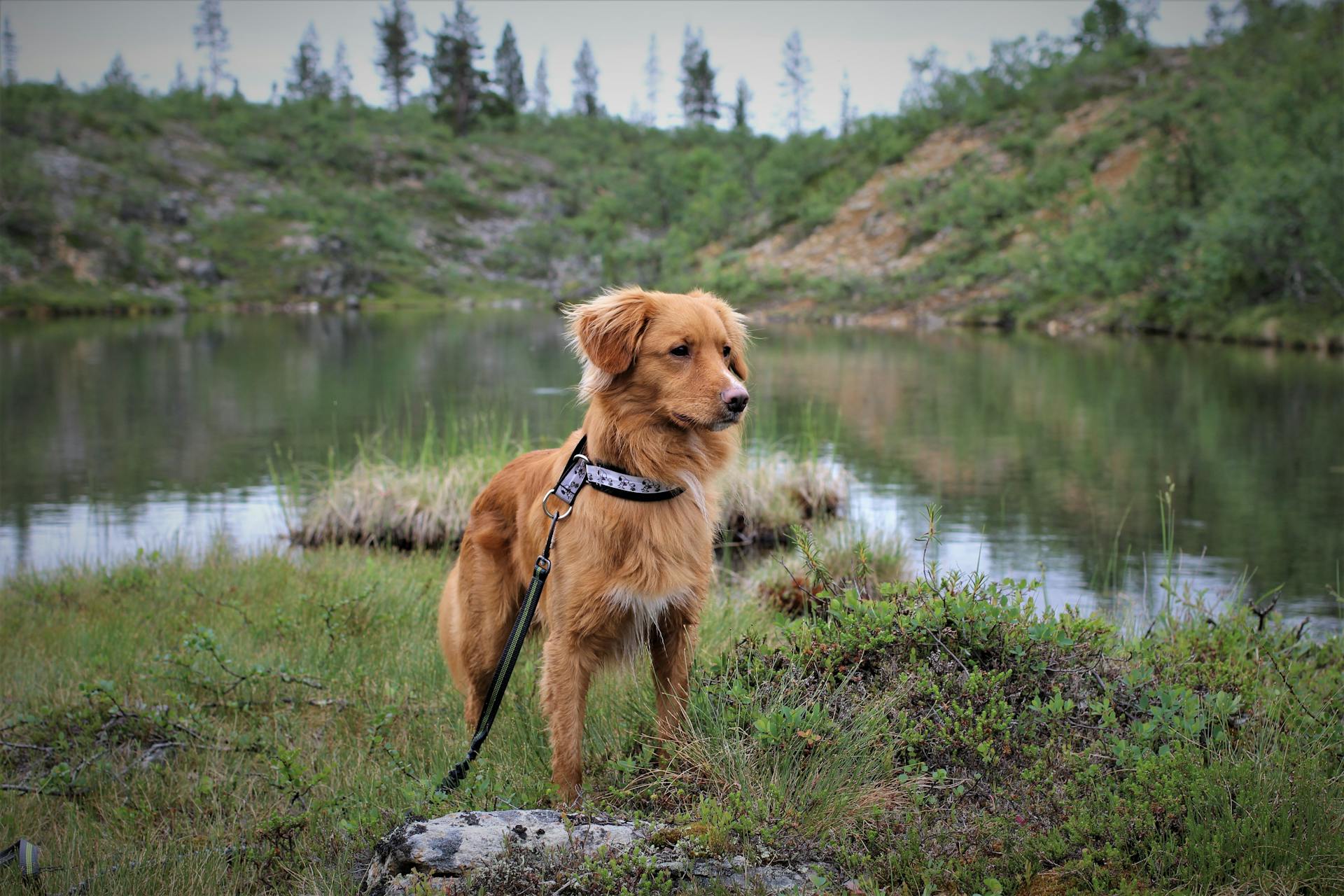
The Kooikerhondje is a small to medium-sized dog with a distinctive orange-red and white coat. They have feathered ears and a bushy tail that often curls over their back. Their eyes are dark and expressive, giving them a lively and intelligent appearance. They are well-proportioned and have a graceful build.
Kooikerhondjes are agile and energetic dogs, known for their ability to move quickly and with precision. They excel in activities that require agility and endurance, such as flyball, agility courses, and obedience trials. Their strong muscles and high energy levels make them ideal companions for active individuals and families.
Kooikerhondjes are friendly, affectionate, and intelligent dogs. They are known for their playful and energetic nature, and they bond closely with their families. They can be reserved with strangers but are generally good-natured and approachable. Early socialization is important to ensure they are well-adjusted and comfortable in different environments.
The Kooikerhondje’s coat requires regular grooming to keep it looking its best. Brushing a few times a week will help prevent matting and remove loose hair. They also need regular exercise to keep them physically and mentally stimulated. Daily walks, playtime, and interactive activities are essential. They are best suited to homes with access to outdoor spaces where they can run and play.
Major concerns: hereditary necrotizing myelopathy, patellar luxation
Minor concerns: epilepsy, eye disorders
Occasionally seen: von Willebrand’s disease
Suggested tests: hip, eye, patella, DNA for hereditary diseases
Life span: 12–15 years
The Kooikerhondje has a rich history as a hunting and companion dog. They were used by hunters in the Netherlands to lure ducks into traps with their playful behavior. Their charming and friendly nature has made them popular pets in Europe for centuries. Today, they are valued for their intelligence, loyalty, and versatility, making them wonderful companions for various lifestyles.