The Russell Terrier, also known as the Jack Russell Terrier, originated in England in the early 19th century. It was developed by Reverend John Russell, who sought to create a small, agile, and energetic hunting dog that could work with hounds to flush out foxes and other small game.
Energy Level
Natural energy and enthusiasm throughout the day.
Exercise Needs
Amount of physical activity required to stay healthy.
Playfulness
Willingness to play and engage in games.
Affection Level
Tendency to show affection toward humans.
Dog Friendliness
Friendliness and tolerance toward other dogs.
Pet Friendliness
How well this pet gets along with other animals.
Stranger Friendliness
Reaction toward unfamiliar people.
Ease of Training
How easy it is to train and teach commands.
Watchfulness
Alertness and tendency to notice surroundings.
Vocality
Tendency to bark, meow, or make other sounds.
Grooming Requirements
Level of grooming effort needed on a regular basis.
Heat Sensitivity
Sensitivity to hot weather conditions.
Cold Tolerance
Ability to withstand cold temperatures.
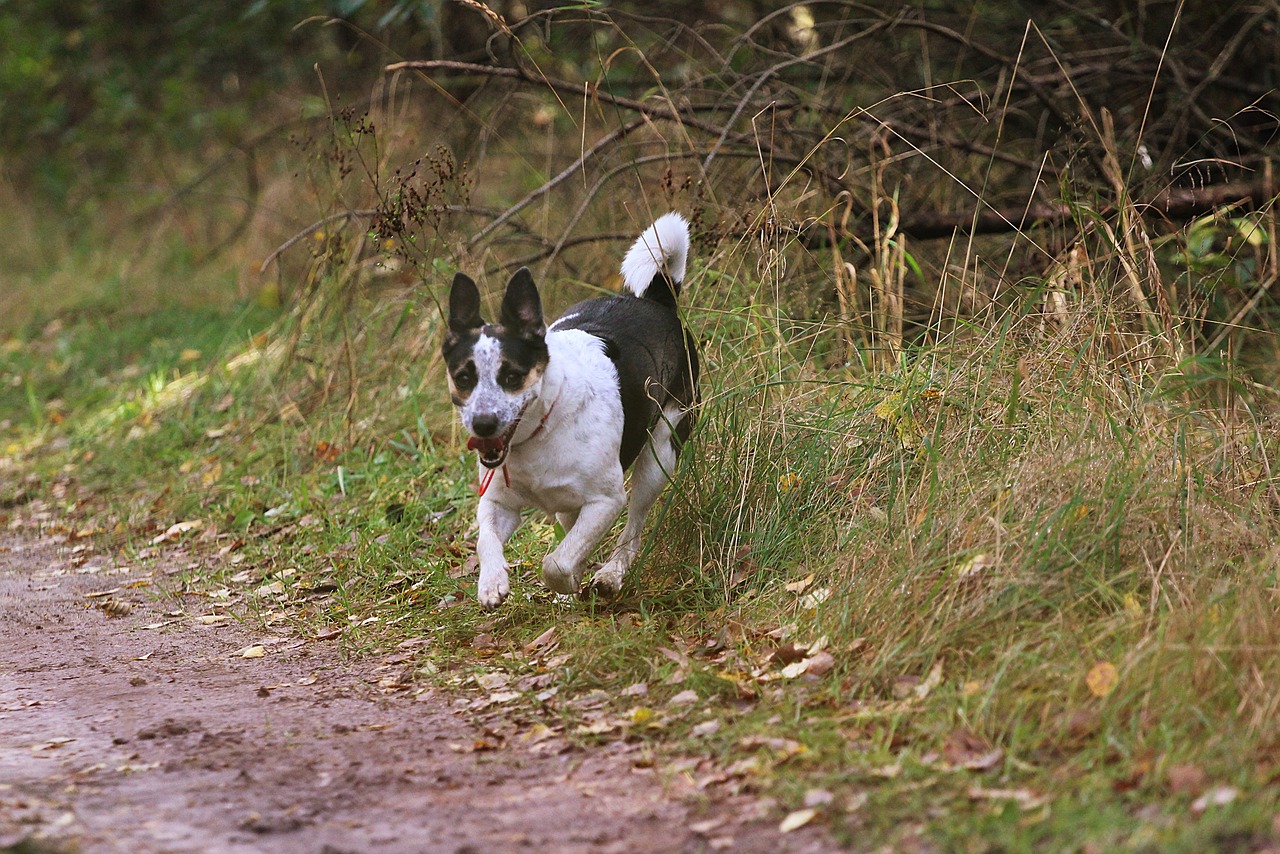
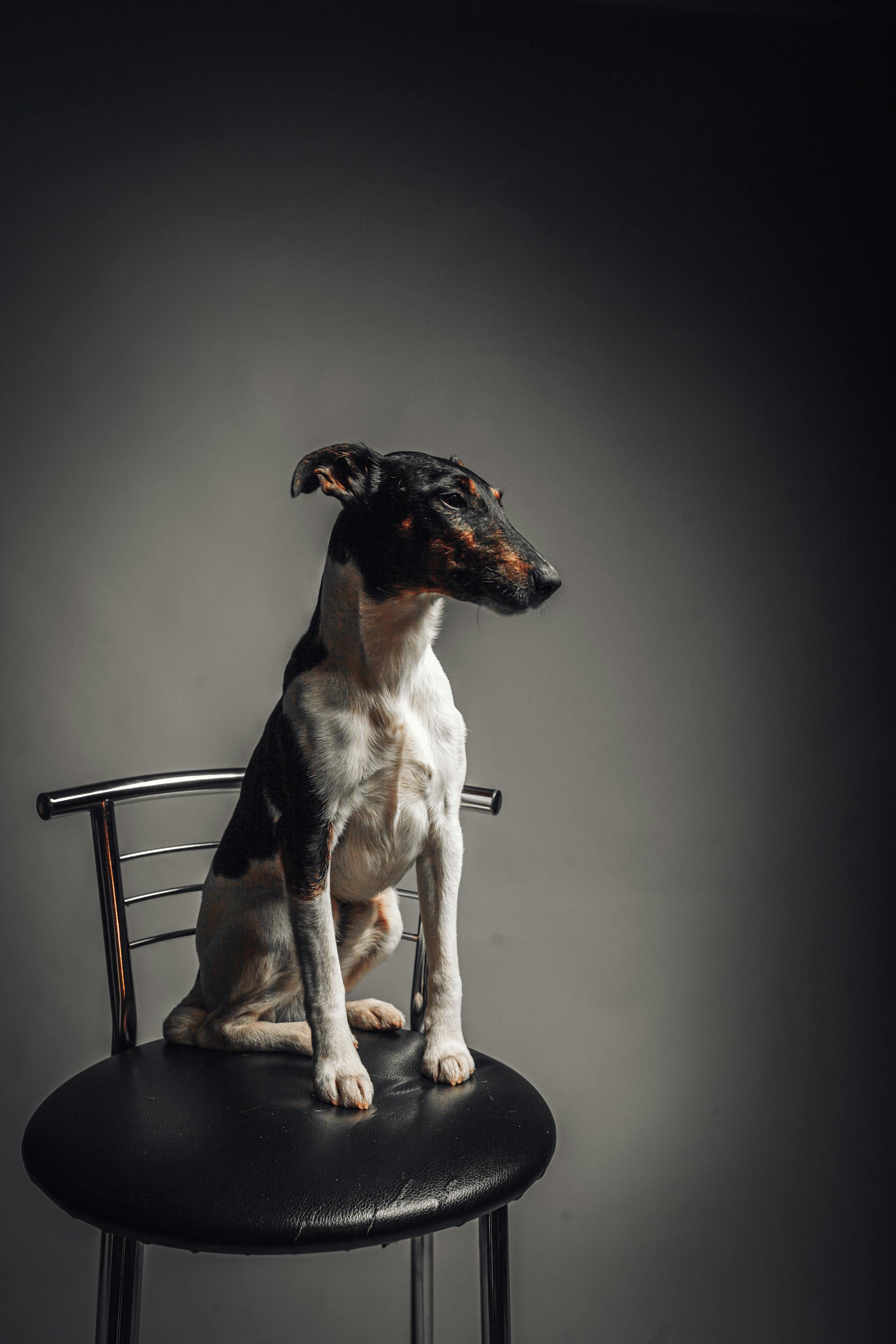
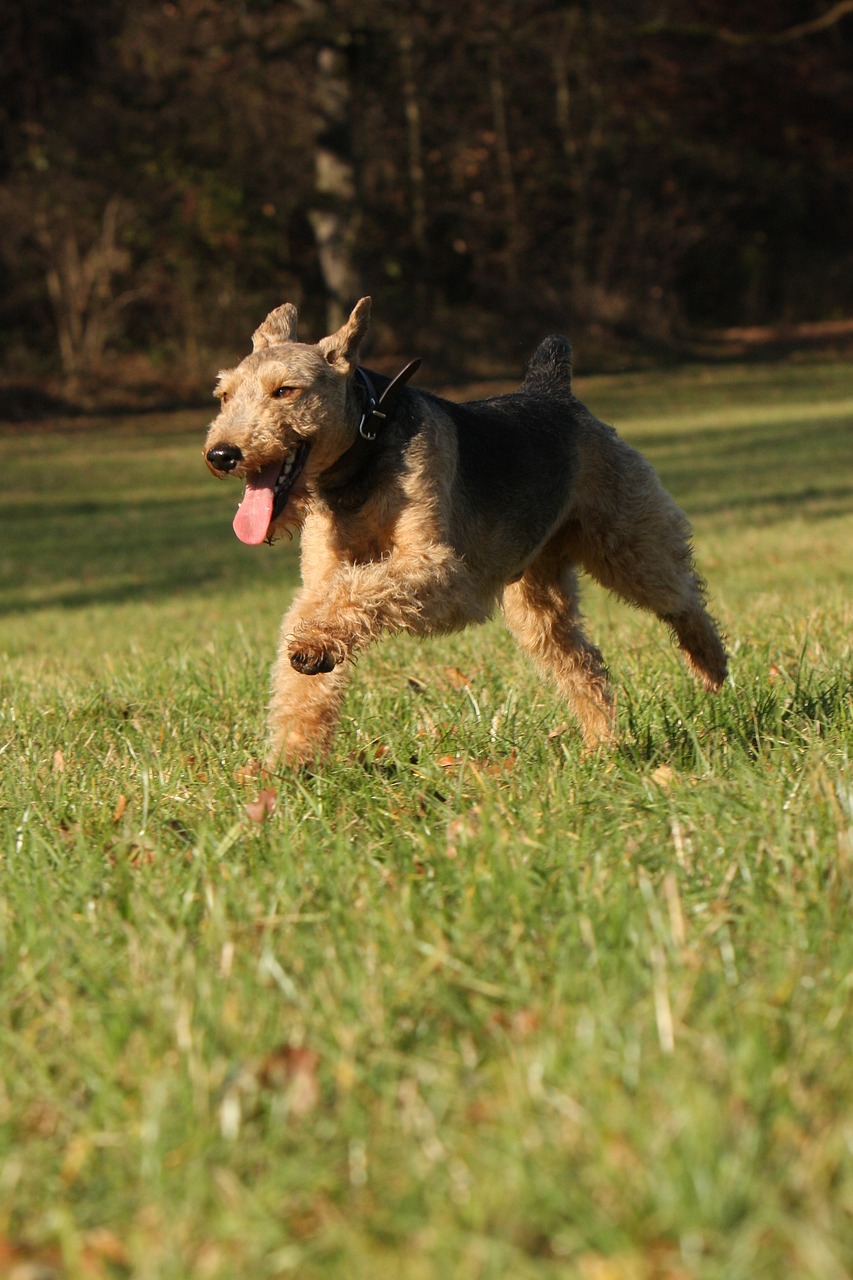
Russell Terriers are small, compact dogs with a square, balanced body. Their head is proportional to their body size, with a strong muzzle, alert eyes, and ears that can be either dropped or erect. They have a short, dense coat that can be smooth or broken, with minimal shedding. Their coat colors include white, white with tan or black markings, or tricolor.
Russell Terriers are known for their agility and speed, making them excellent jumpers and swift runners. Their athletic build and flexible spine enable them to maneuver through tight spaces, which is particularly useful for their original purpose of hunting small game.
Russell Terriers are lively, intelligent, and affectionate dogs. They form strong bonds with their human family and enjoy being involved in family activities. Due to their high energy levels and keen hunting instincts, they require mental and physical stimulation to prevent boredom and destructive behavior. Early socialization and training are essential for a well-behaved and well-rounded Russell Terrier.
Russell Terriers require daily exercise and mental stimulation to keep them happy and healthy. They enjoy activities such as fetch, agility, and scent work. Their coat requires minimal grooming, with occasional brushing and bathing as needed. Regular dental care, ear cleaning, and nail trimming are also necessary. Russell Terriers are prone to certain health issues, such as luxating patella, deafness, and eye problems, so regular vet check-ups are essential.
Major concerns: luxating patella, deafness, eye problems
Minor concerns: allergies
Occasionally seen: hip dysplasia
Suggested tests: patella, hearing, eye
Life span: 13–15 years
The Russell Terrier’s popularity as a hunting dog gradually extended to other roles, such as companion dogs and participants in various dog sports. Their intelligence, agility, and affectionate nature have made them a popular choice for families and individuals seeking a small, energetic companion. The Russell Terrier’s legacy as a spirited and versatile breed continues to delight dog lovers around the world.