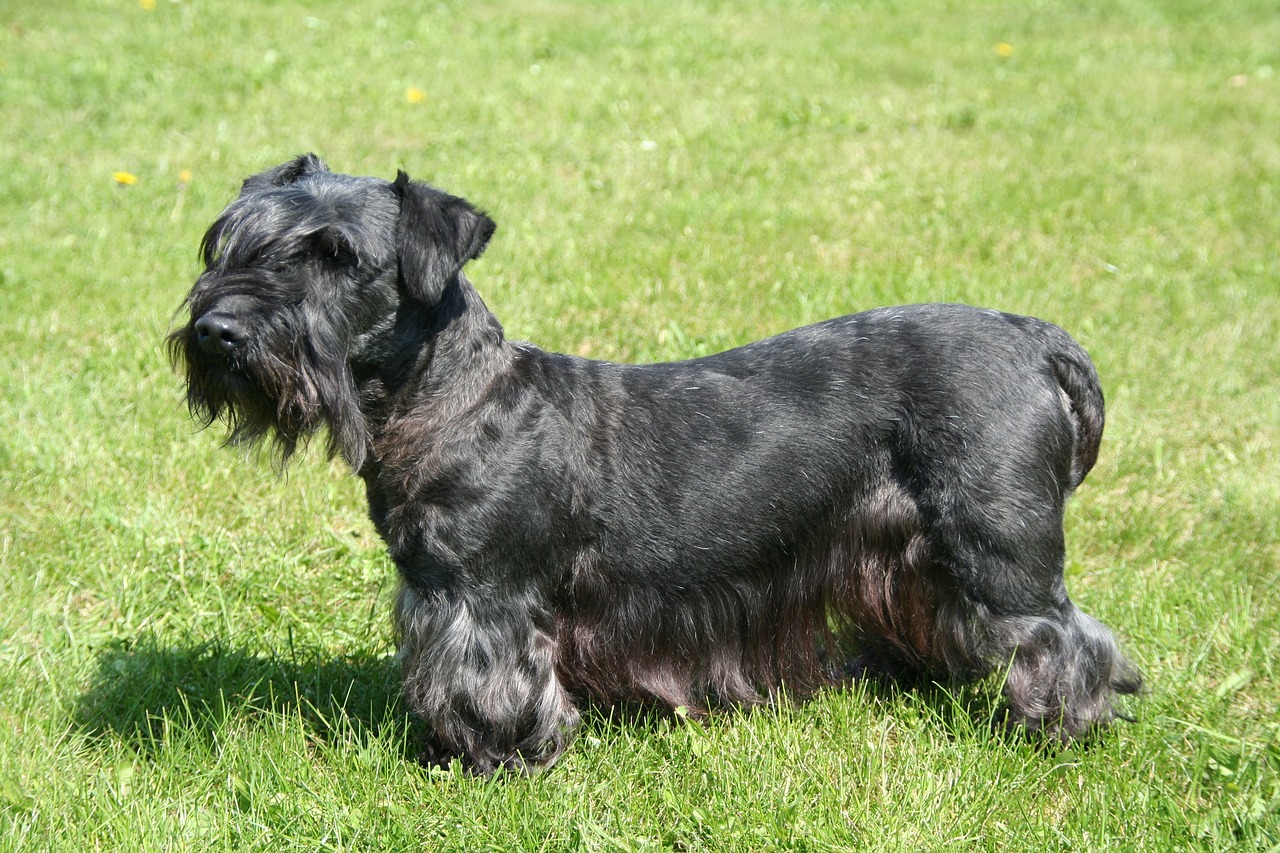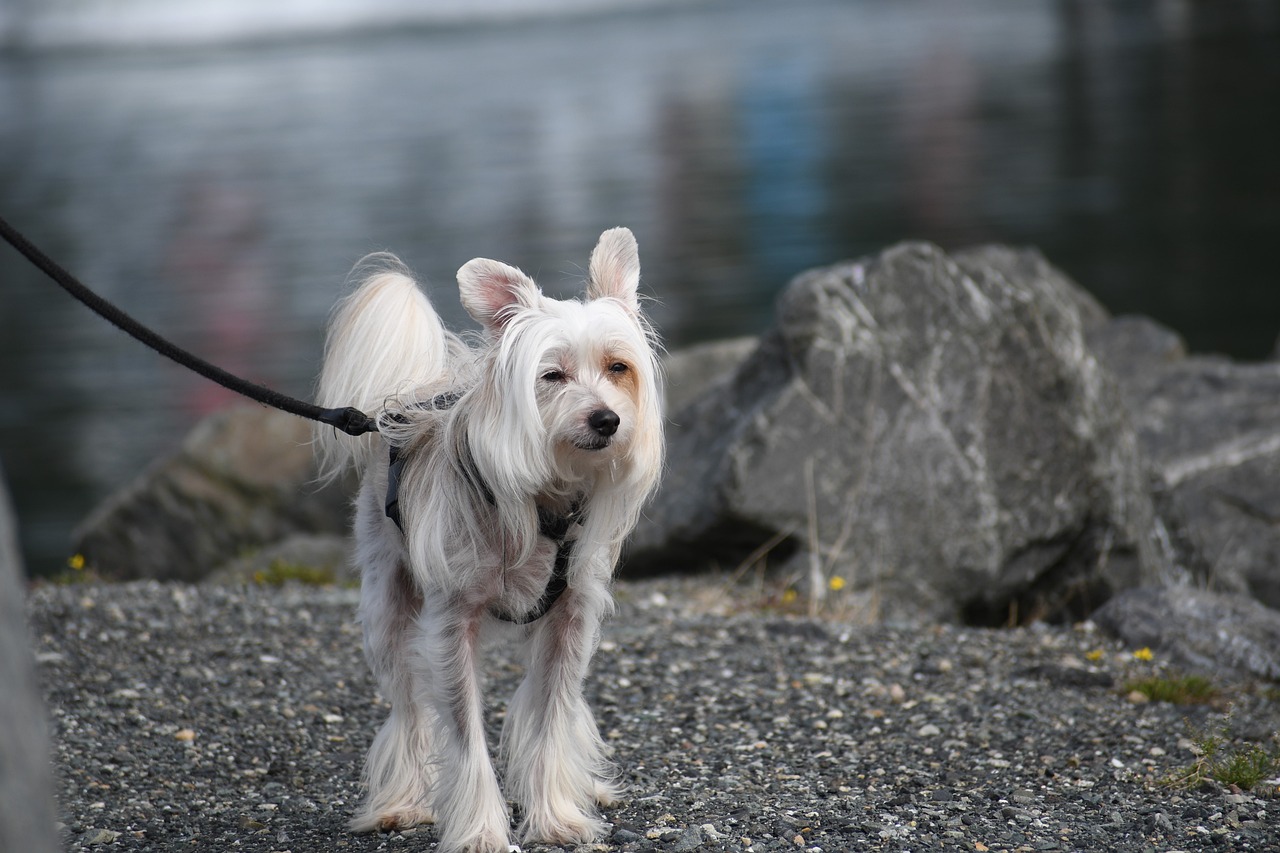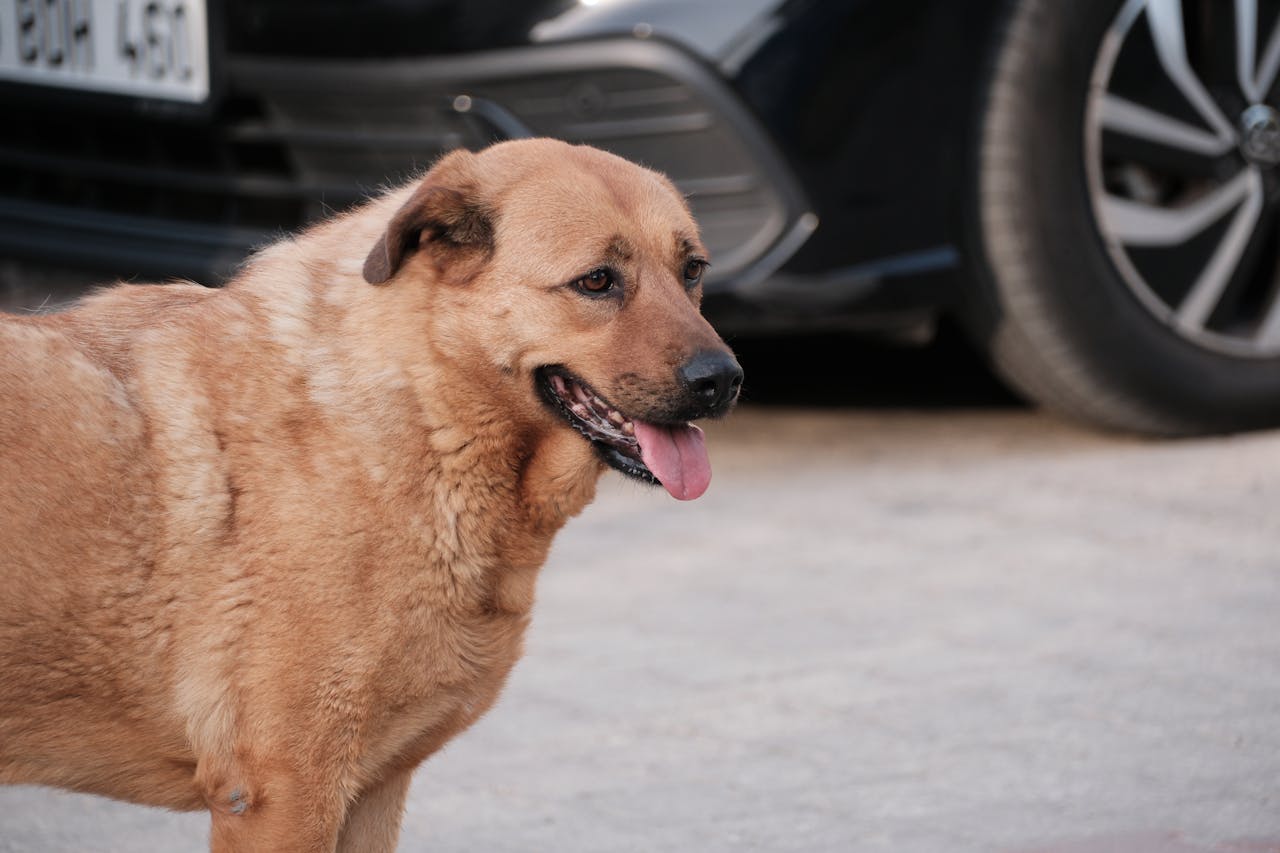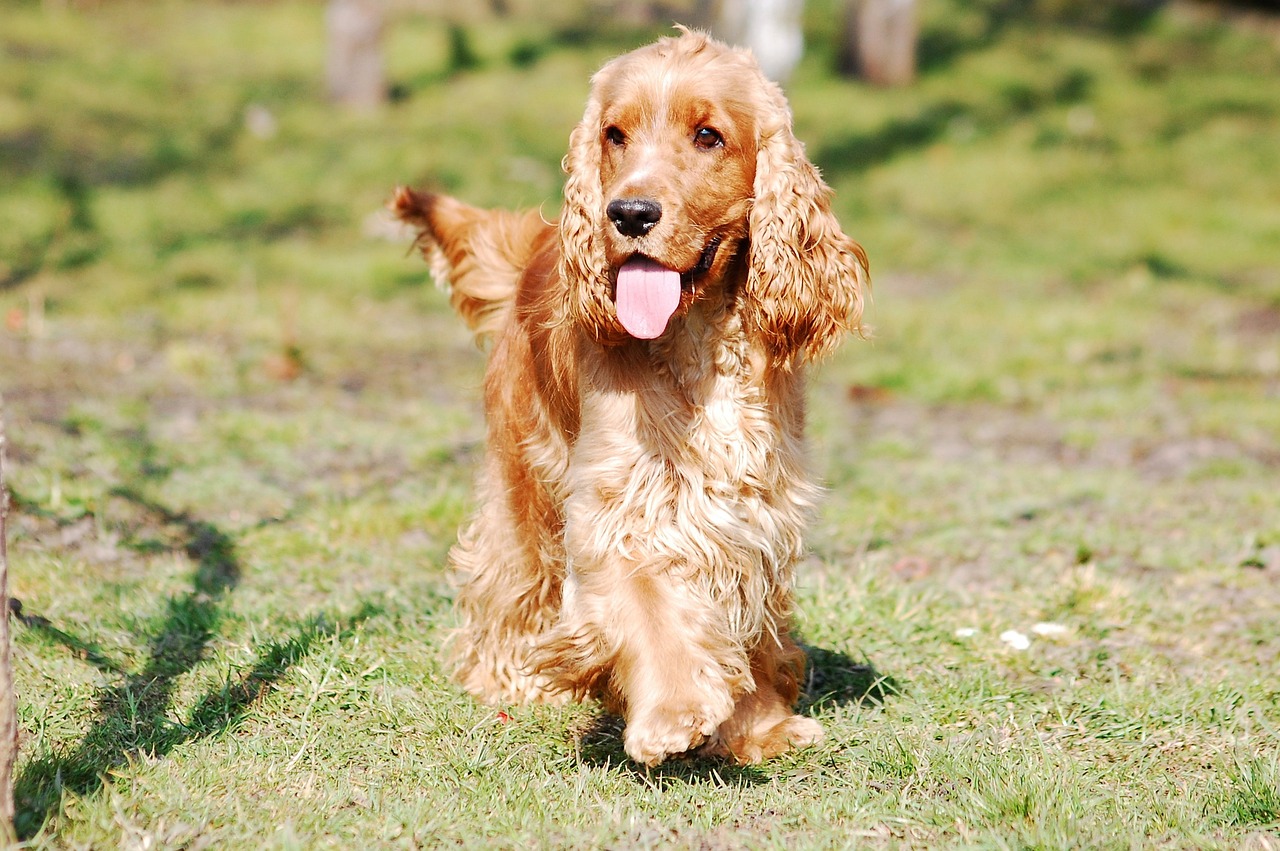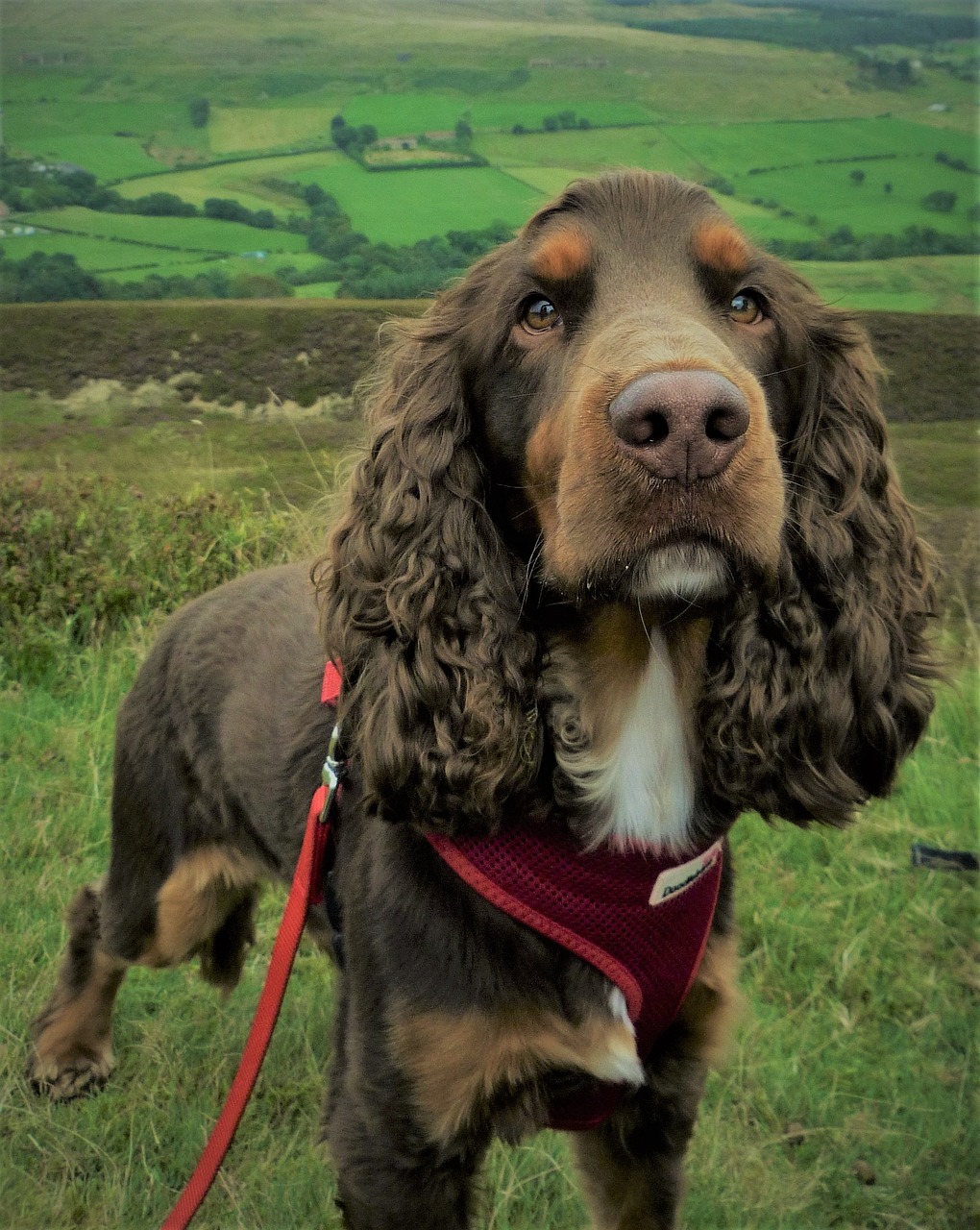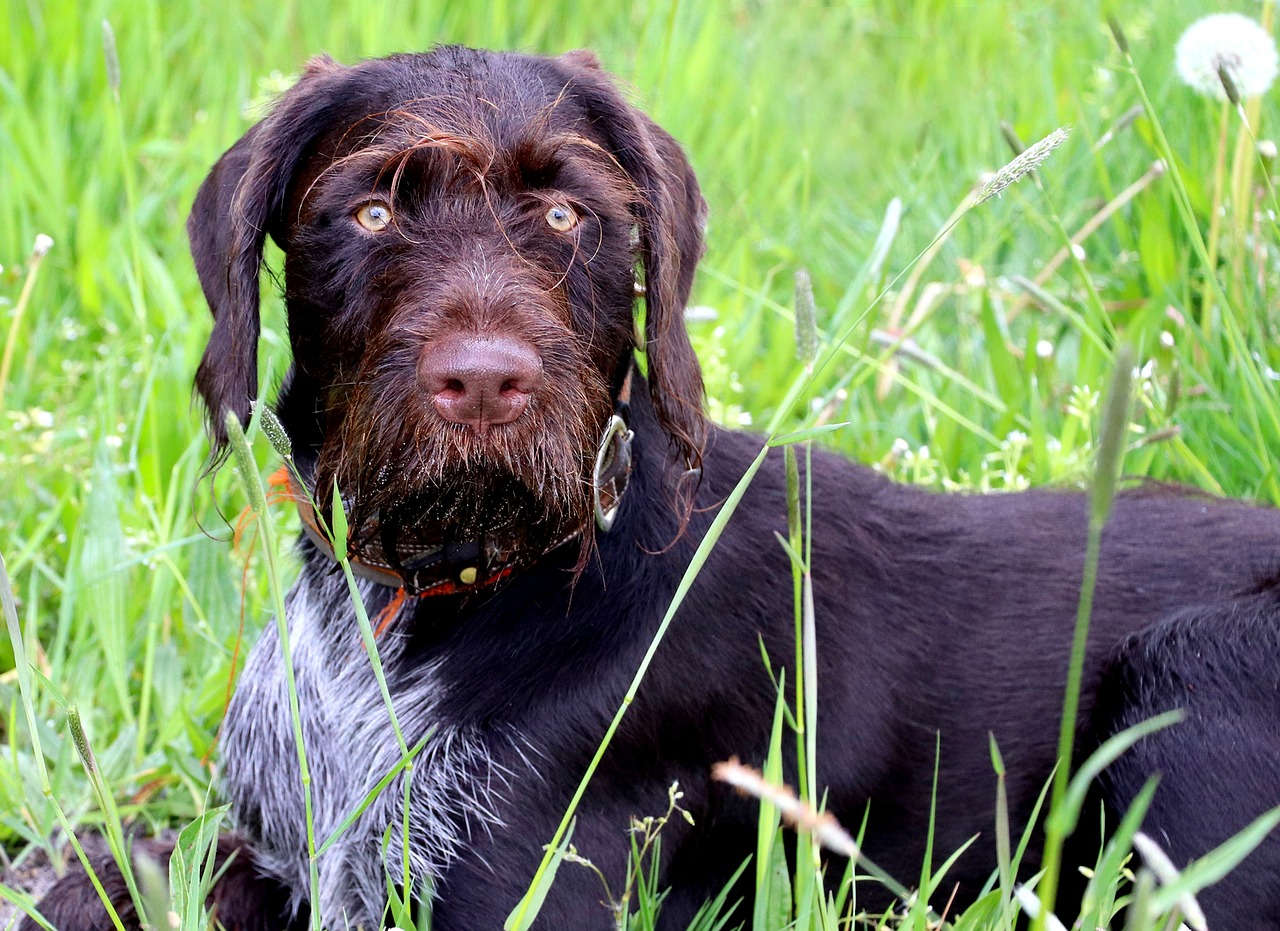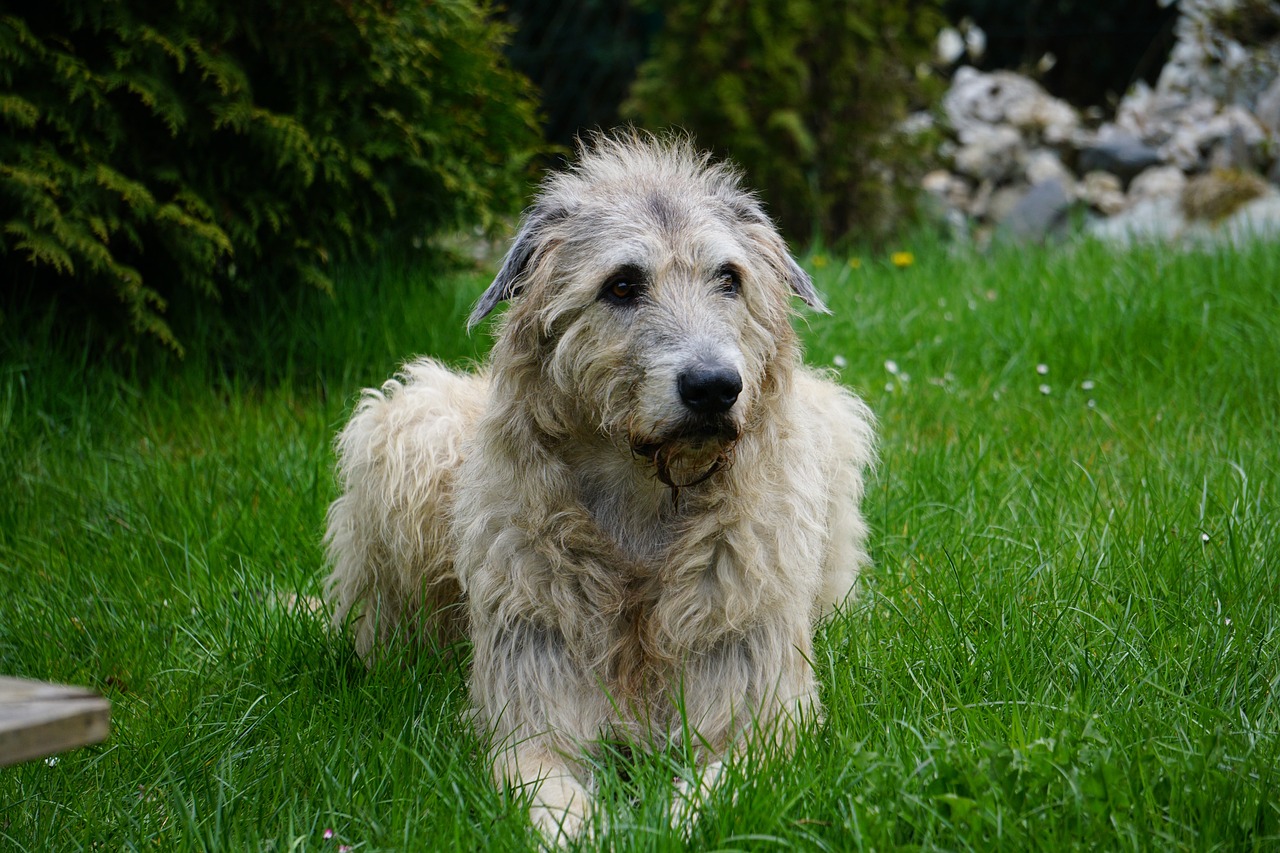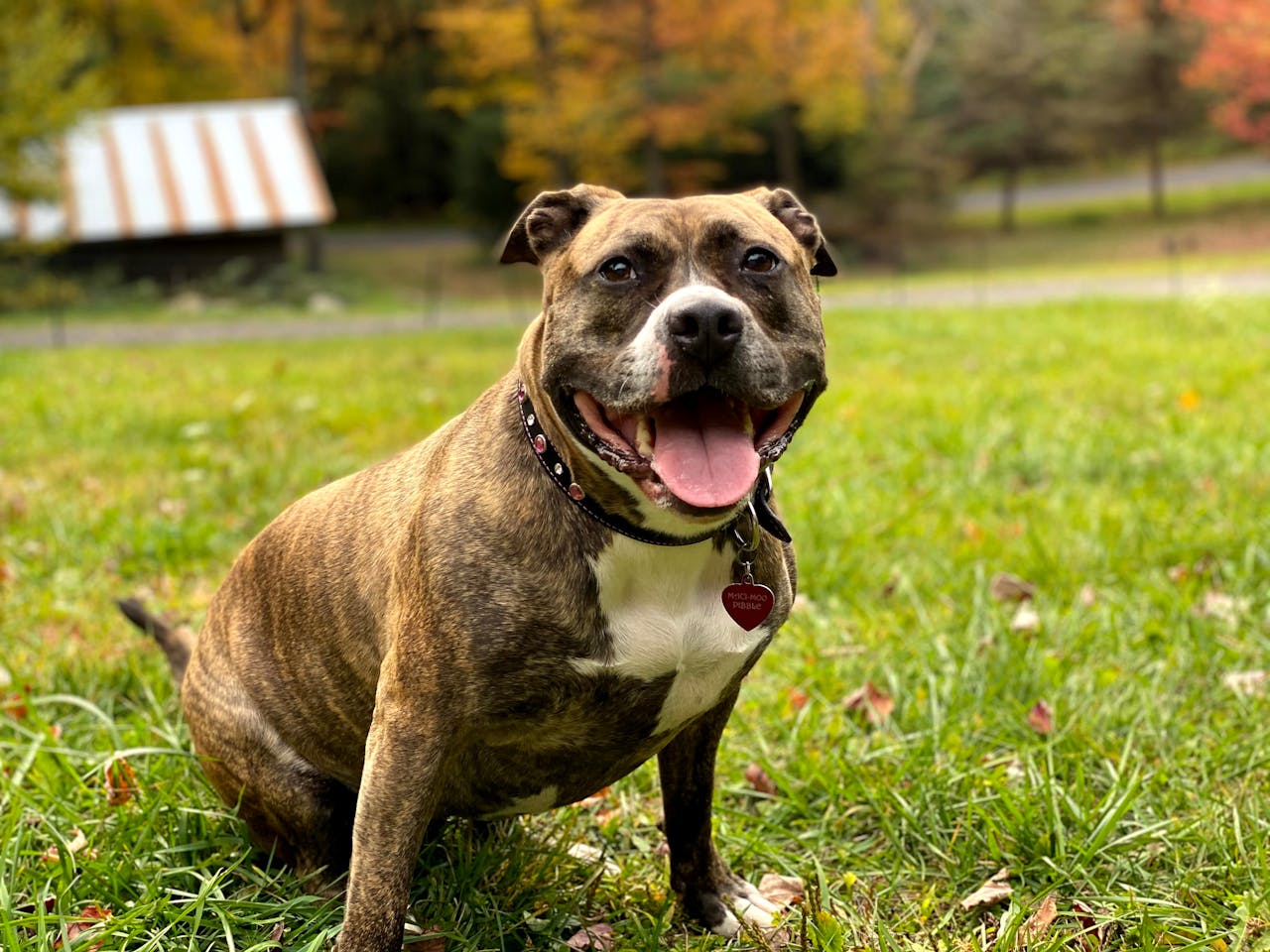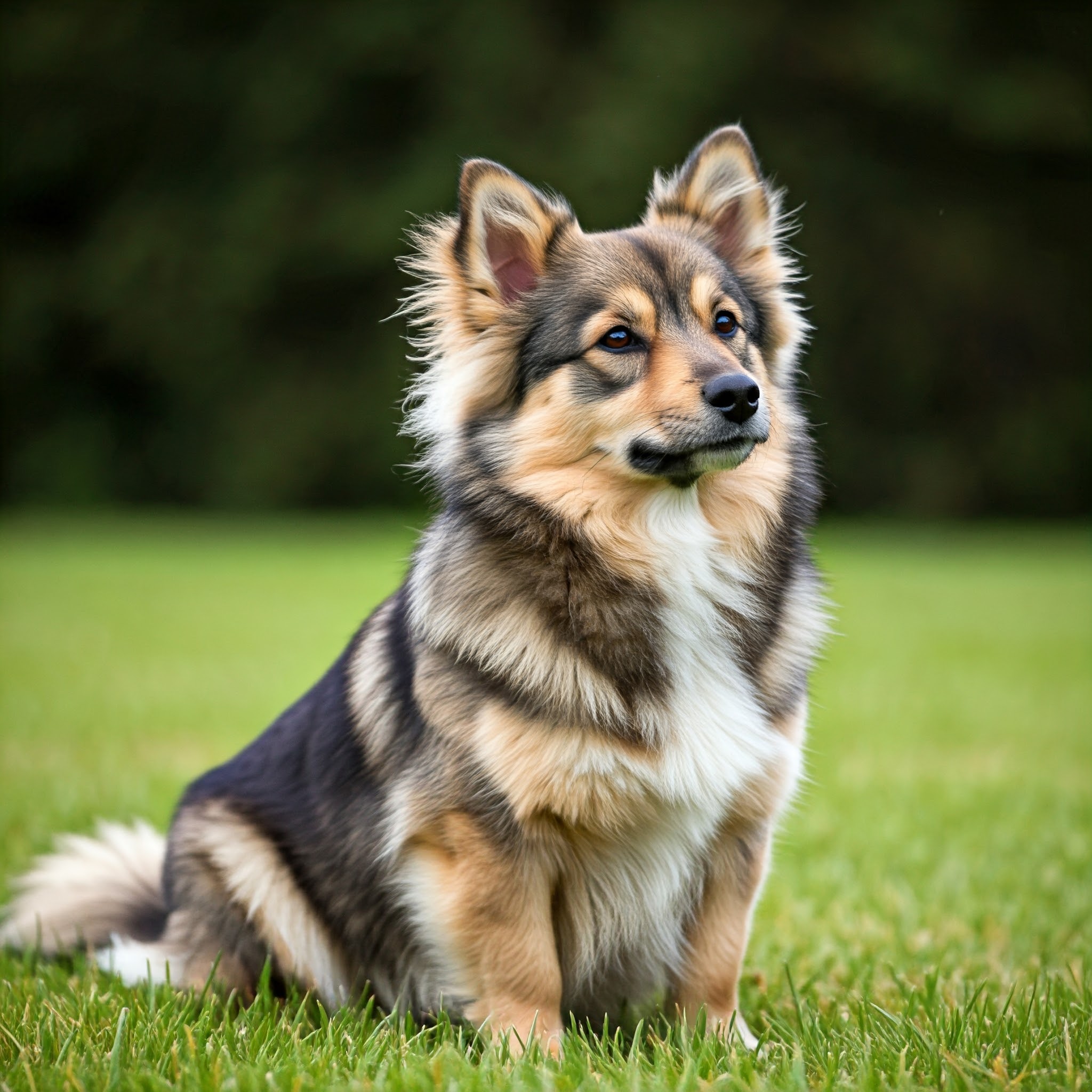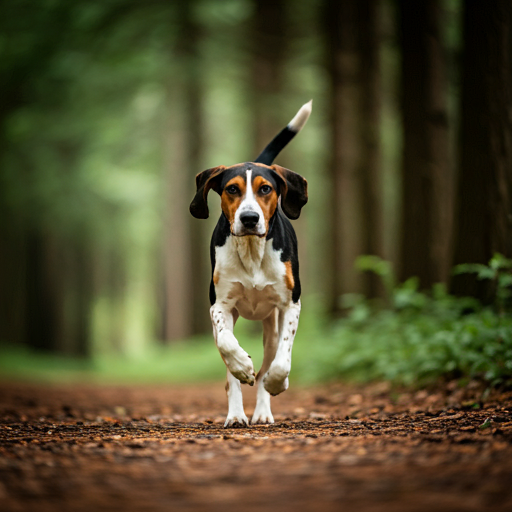
The Small Munsterlander Pointer originated in the Munsterland region of Germany and has a history dating back to the late 19th century. Initially bred as the perfect companion for hunters, this breed is renowned for its exceptional tracking skills and gentle temperament. It is capable of working in various terrains, including fields, forests, and water, making it a versatile hunting dog.
Today, the Small Munsterlander Pointer is not only a skilled working dog but also a beloved family pet known for its loyalty and friendly nature.
Energy Level
Natural energy and enthusiasm throughout the day.
Exercise Needs
Amount of physical activity required to stay healthy.
Playfulness
Willingness to play and engage in games.
Affection Level
Tendency to show affection toward humans.
Dog Friendliness
Friendliness and tolerance toward other dogs.
Pet Friendliness
How well this pet gets along with other animals.
Stranger Friendliness
Reaction toward unfamiliar people.
Ease of Training
How easy it is to train and teach commands.
Watchfulness
Alertness and tendency to notice surroundings.
Vocality
Tendency to bark, meow, or make other sounds.
Grooming Requirements
Level of grooming effort needed on a regular basis.
Heat Sensitivity
Sensitivity to hot weather conditions.
Cold Tolerance
Ability to withstand cold temperatures.
The Small Munsterlander Pointer is a medium-sized dog with a well-proportioned and elegant build. Its medium-length coat is dense, water-resistant, and typically features a brown and white coloration with unique spots or markings.
Its head is well-defined, with drooping ears covered in silky fur. Its bright, intelligent eyes reflect its agility and friendly demeanor.
Renowned for its athleticism and endurance, the Small Munsterlander Pointer is a natural hunter excelling in tracking, pointing, and retrieving game. It also thrives in agility training, hiking, and other outdoor activities.
Daily exercise, including long walks or interactive play, is essential to keep this breed physically fit and mentally stimulated.
The Small Munsterlander Pointer is celebrated for its intelligence, loyalty, and friendly disposition. It forms strong bonds with family members, making it particularly suitable for households with children. This breed is eager to please and relatively easy to train.
While affectionate with its family, it can be wary of strangers. Early socialization is key to helping it adapt to diverse social environments.
The breed’s medium-length coat requires regular grooming—brushing once a week helps maintain its cleanliness and health. During shedding seasons, more frequent brushing is needed to manage loose fur. As an outdoor-loving breed, regular ear and paw cleaning is necessary to prevent infections.
This breed is highly adaptable but thrives in active households that can provide sufficient exercise and mental stimulation.
Primary health concerns: Hip dysplasia
Secondary issues: Eye problems
Recommended tests: Hip evaluations, eye examinations
Lifespan: 12–14 years
The Small Munsterlander Pointer is generally a healthy breed, and regular checkups paired with proper care can help maintain a high quality of life.
As a historically significant German hunting breed, the Small Munsterlander Pointer is prized for its versatility in the field. Its ability to perform well in fields, forests, and water, combined with its warm disposition, makes it a cherished companion.
Today, it is celebrated for its intelligence, loyalty, and excellent working capabilities, making it an ideal choice for active families who enjoy outdoor adventures.