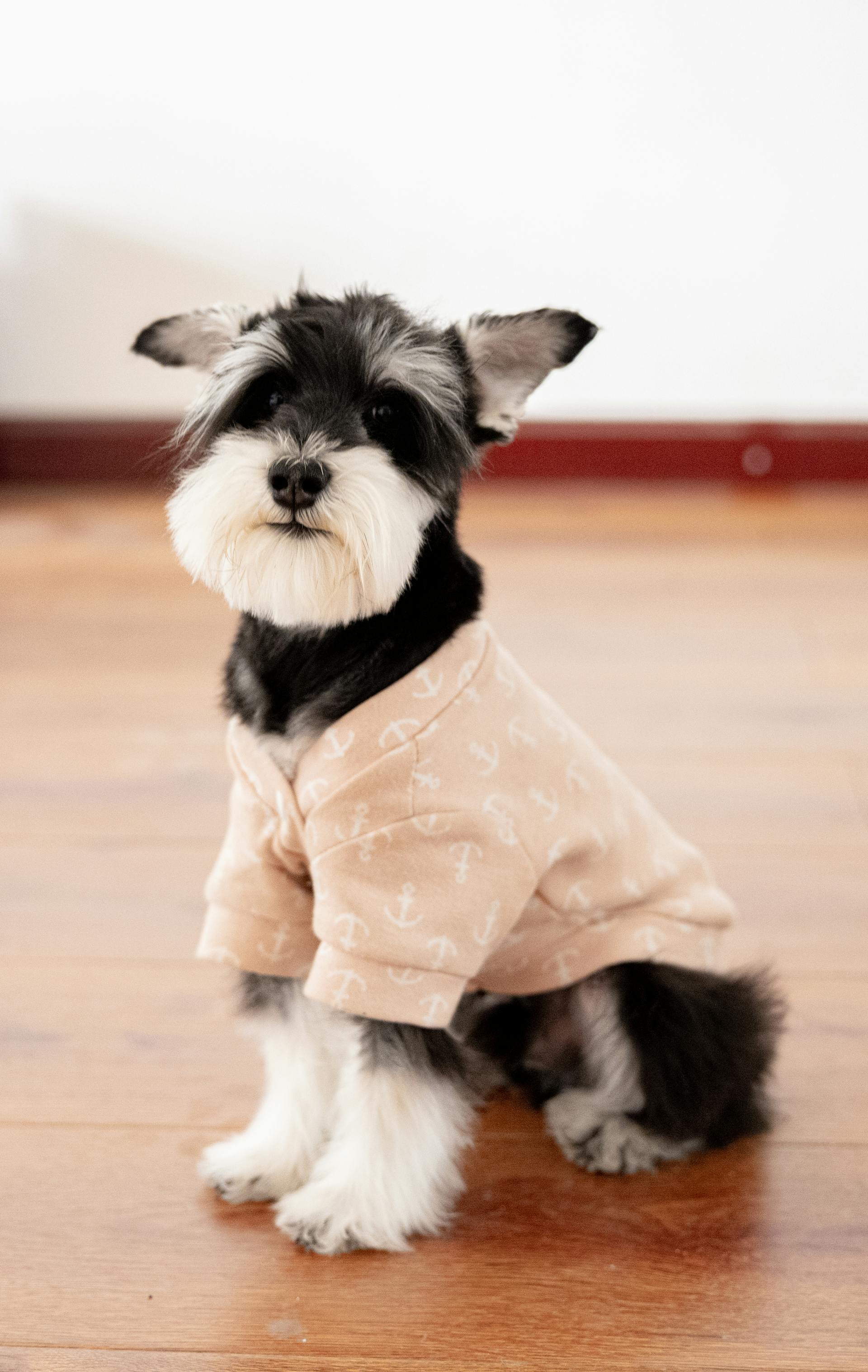
The Standard Schnauzer originated in Germany in the 15th and 16th centuries. Bred as a versatile working dog, it was used for guarding property, herding livestock, and hunting vermin. The breed’s name, “Schnauzer,” comes from the German word for “muzzle,” highlighting its distinct facial hair. Known as the progenitor of the Miniature and Giant Schnauzers, the Standard Schnauzer has maintained its reputation as a reliable and versatile working breed.
Energy Level
Natural energy and enthusiasm throughout the day.
Exercise Needs
Amount of physical activity required to stay healthy.
Playfulness
Willingness to play and engage in games.
Affection Level
Tendency to show affection toward humans.
Dog Friendliness
Friendliness and tolerance toward other dogs.
Pet Friendliness
How well this pet gets along with other animals.
Stranger Friendliness
Reaction toward unfamiliar people.
Ease of Training
How easy it is to train and teach commands.
Watchfulness
Alertness and tendency to notice surroundings.
Vocality
Tendency to bark, meow, or make other sounds.
Grooming Requirements
Level of grooming effort needed on a regular basis.
Heat Sensitivity
Sensitivity to hot weather conditions.
Cold Tolerance
Ability to withstand cold temperatures.
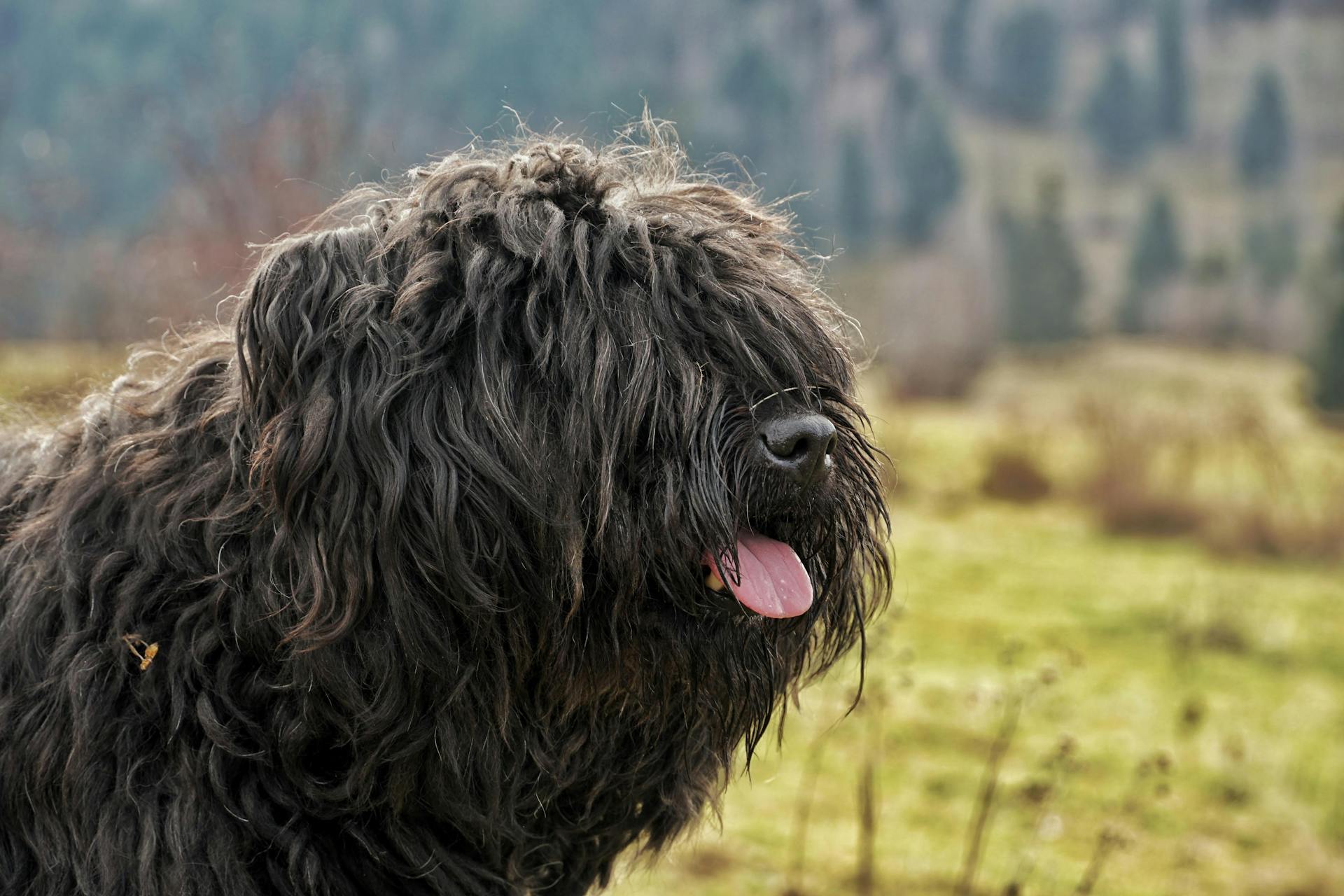
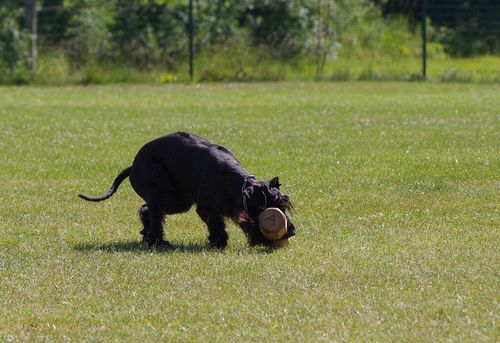
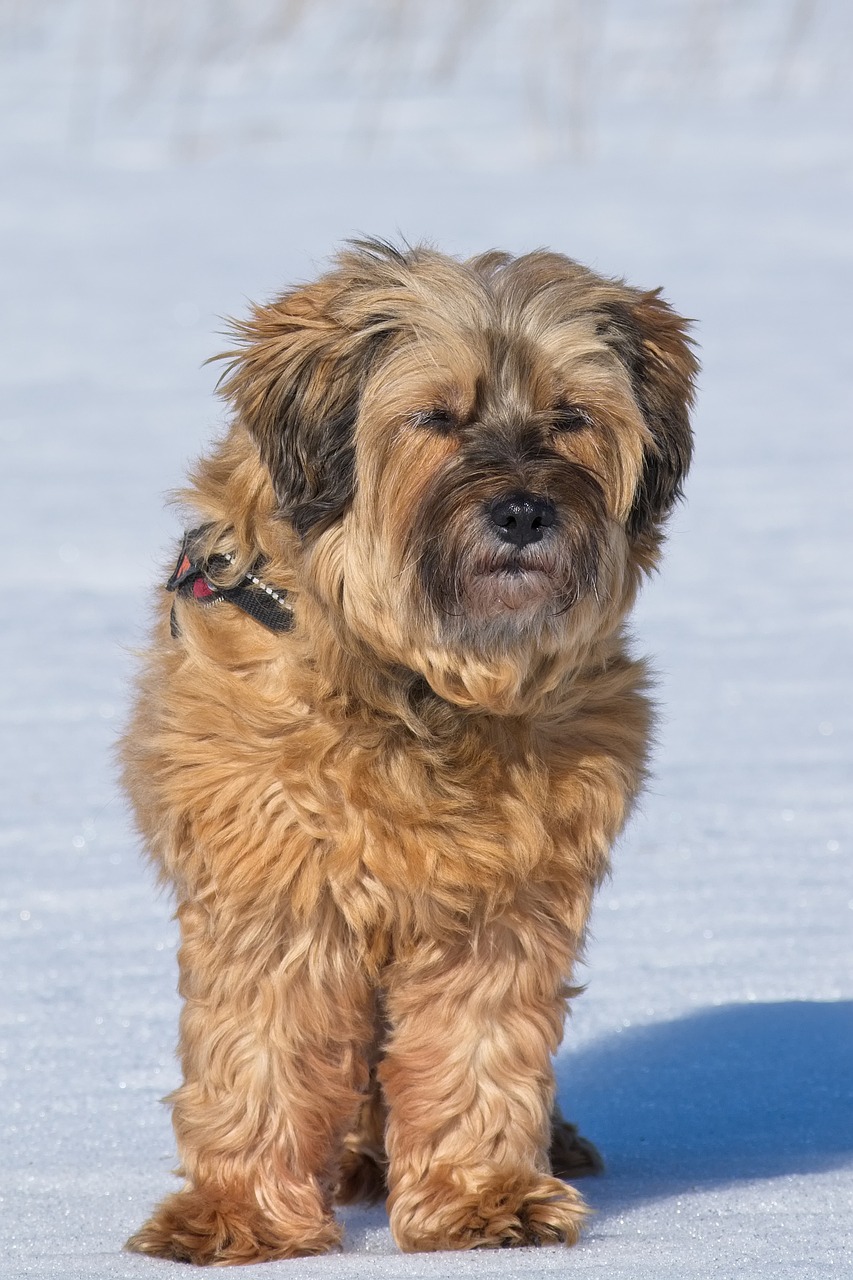
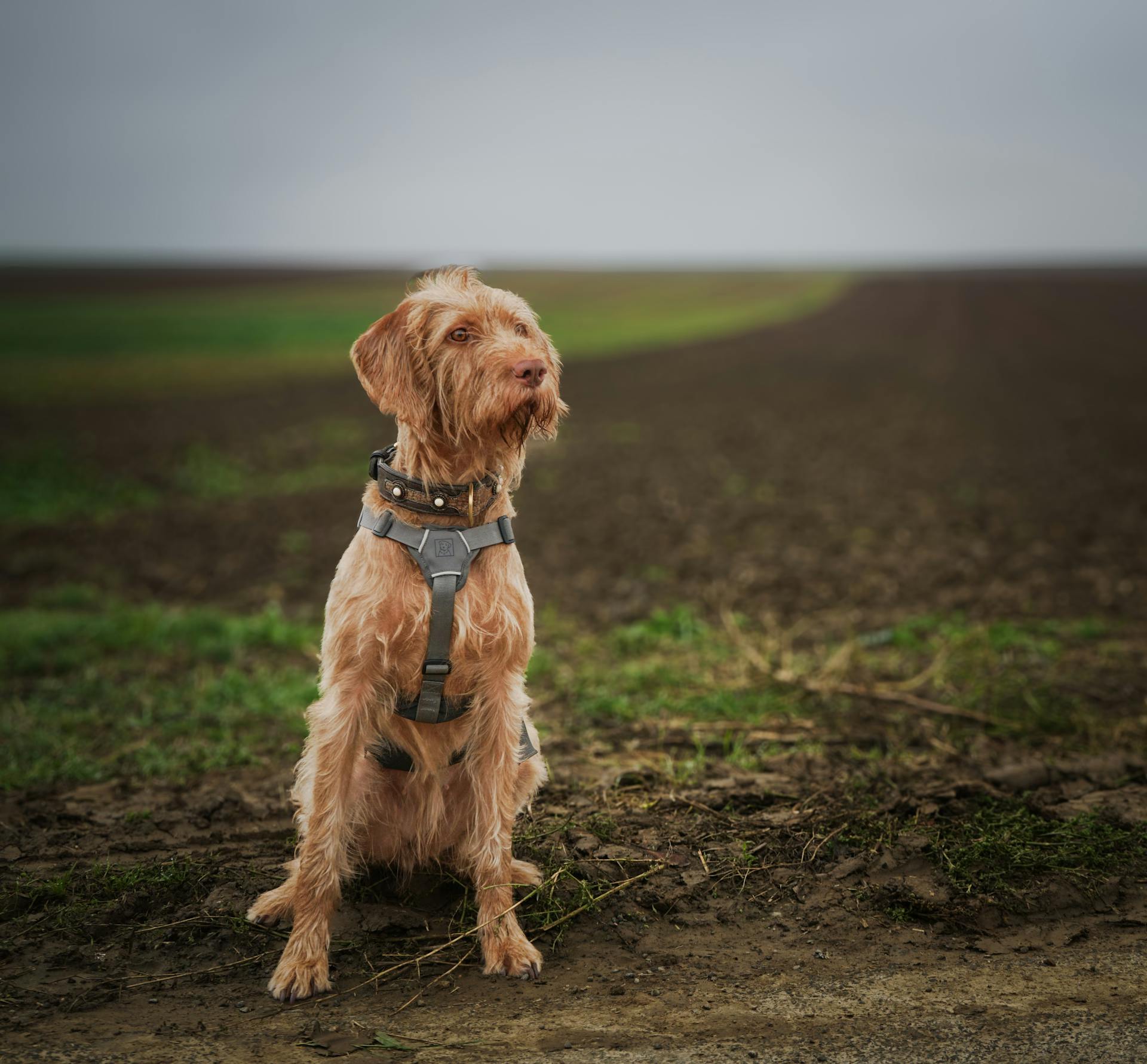
Standard Schnauzers are medium-sized dogs with a sturdy, square-built frame. They have a dense, wiry double coat that typically comes in two color patterns: salt and pepper, and solid black. Their most distinctive features are their bushy beard, eyebrows, and whiskers, which give them a sharp and alert expression. They have a strong, rectangular head, dark, oval eyes, and V-shaped ears that are usually cropped.
Standard Schnauzers are known for their athleticism and agility. They have a brisk, lively gait and require regular exercise to maintain their physical and mental well-being. Activities such as running, hiking, and agility training are excellent for keeping them fit and stimulated.
Standard Schnauzers are known for their intelligence and loyalty. They are quick learners and respond well to training, making them excellent companions and working dogs. Their alert and watchful nature makes them good watchdogs, while their playful and affectionate disposition makes them great family pets. Early socialization and consistent training are important to ensure they are well-behaved and well-adjusted.
Standard Schnauzers require regular grooming to maintain their wiry coat. This includes brushing several times a week and regular trimming to keep their coat in good condition. Their beard and eyebrows should be cleaned regularly to prevent matting and debris buildup. Regular exercise is essential to keep them physically and mentally healthy. Routine veterinary check-ups are also important to monitor for common health issues.
Major concerns: hip dysplasia, progressive retinal atrophy (PRA)
Minor concerns: hypothyroidism, skin disorders
Occasionally seen: epilepsy, eye problems
Suggested tests: hip, eye, thyroid
Life span: 12–15 years
The Standard Schnauzer’s history as a versatile working dog has established it as a breed of exceptional intelligence and loyalty. Originally used for guarding, herding, and hunting, its roles have expanded to include service and therapy work, as well as participation in various dog sports. Today, the Standard Schnauzer is cherished not only for its working capabilities but also as a loving and loyal companion. Its legacy as a dedicated and versatile breed continues to be celebrated by dog enthusiasts around the world.