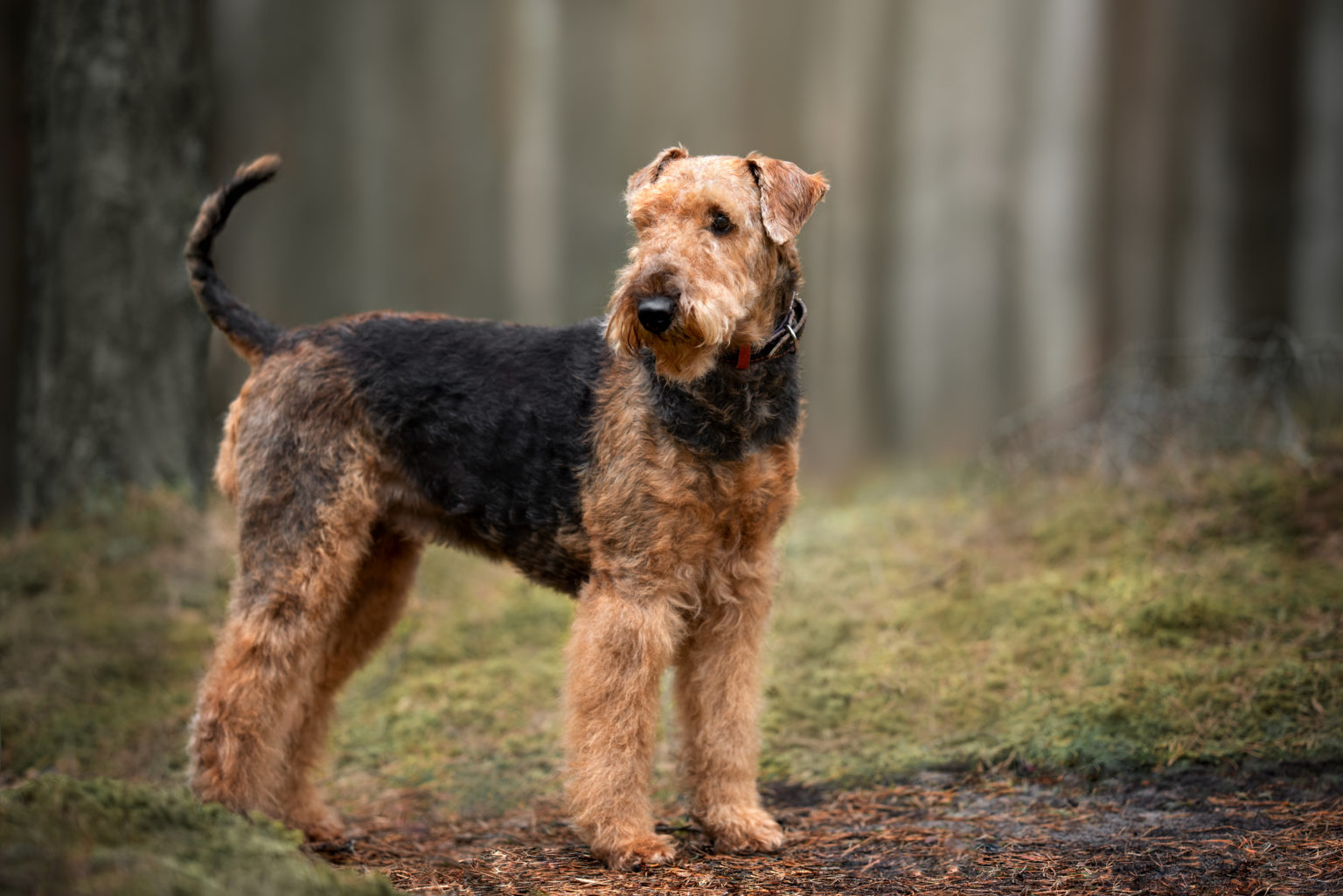
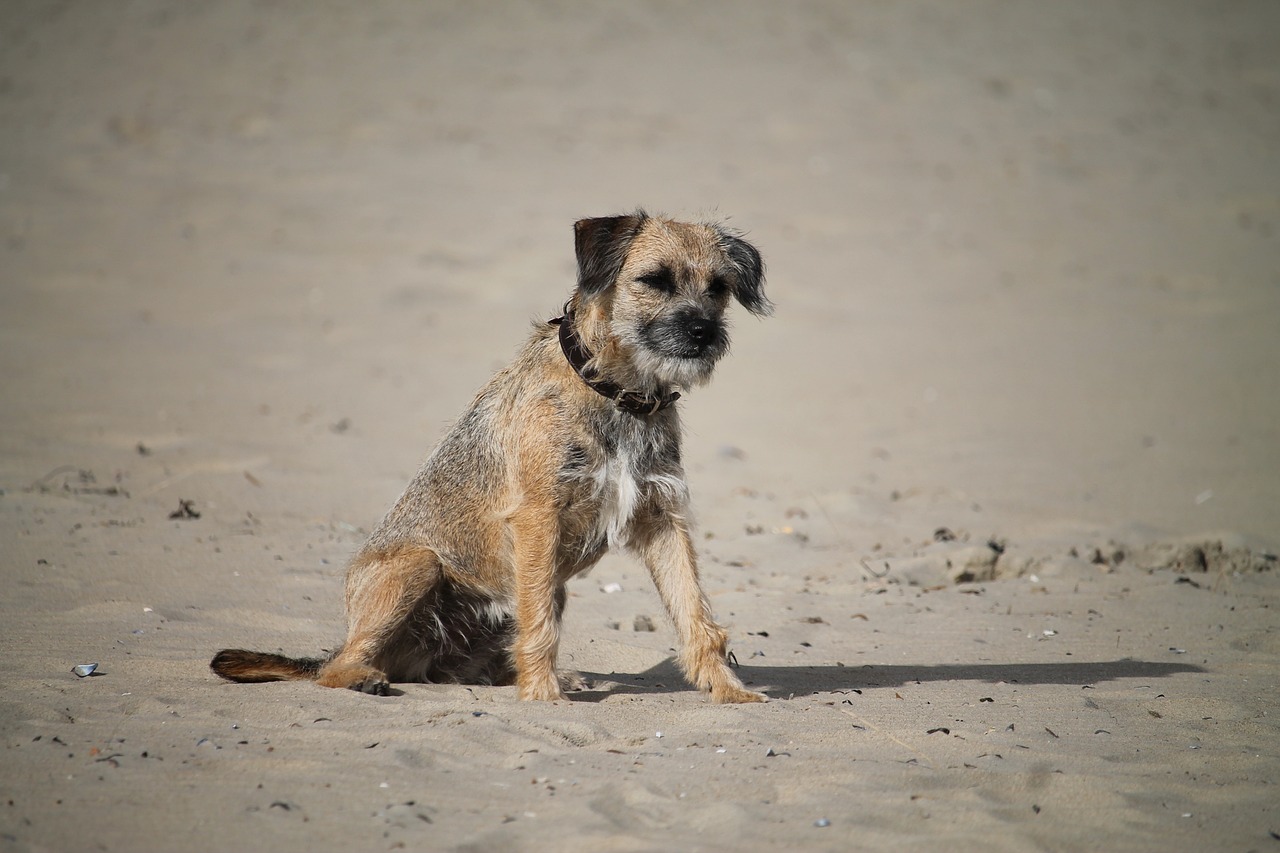
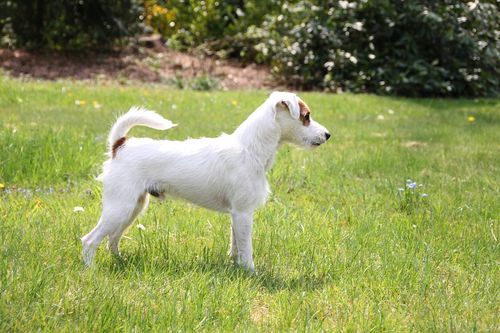
The Welsh Terrier originated in Wales and is an ancient working terrier breed with a history dating back to the 19th century. They were initially used as hunting dogs, known for their excellent hunting skills and tenacious personality.
Energy Level
Natural energy and enthusiasm throughout the day.
Exercise Needs
Amount of physical activity required to stay healthy.
Playfulness
Willingness to play and engage in games.
Affection Level
Tendency to show affection toward humans.
Dog Friendliness
Friendliness and tolerance toward other dogs.
Pet Friendliness
How well this pet gets along with other animals.
Stranger Friendliness
Reaction toward unfamiliar people.
Ease of Training
How easy it is to train and teach commands.
Watchfulness
Alertness and tendency to notice surroundings.
Vocality
Tendency to bark, meow, or make other sounds.
Grooming Requirements
Level of grooming effort needed on a regular basis.
Heat Sensitivity
Sensitivity to hot weather conditions.
Cold Tolerance
Ability to withstand cold temperatures.
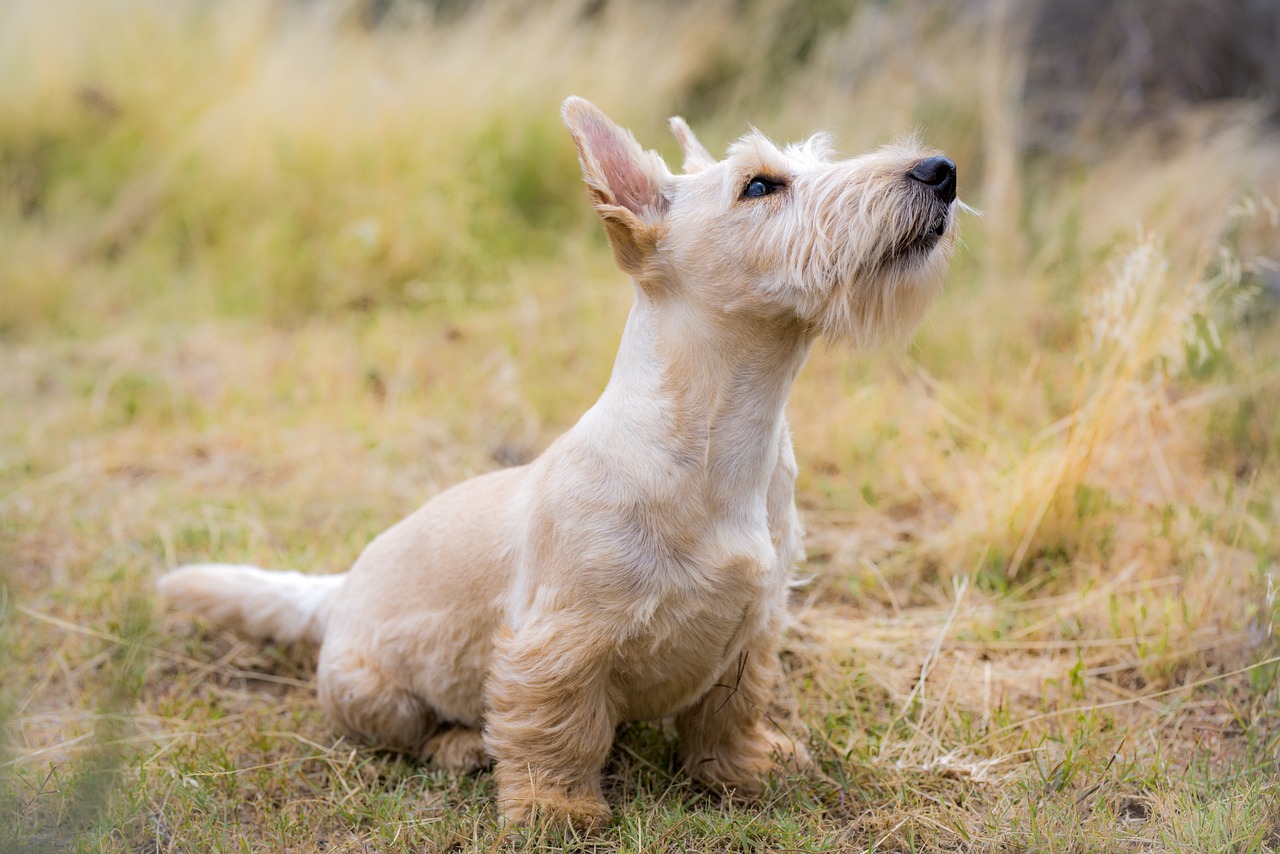
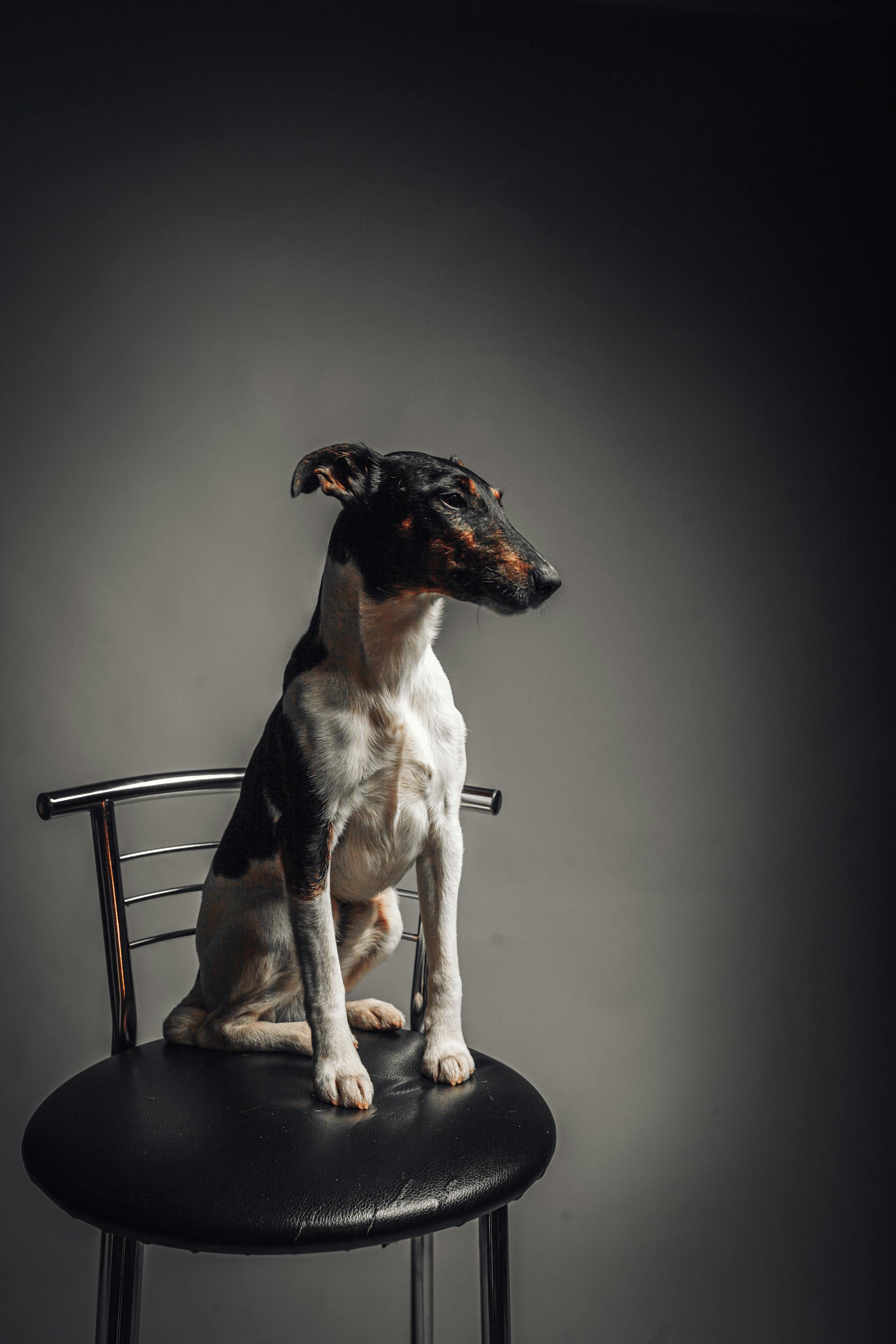
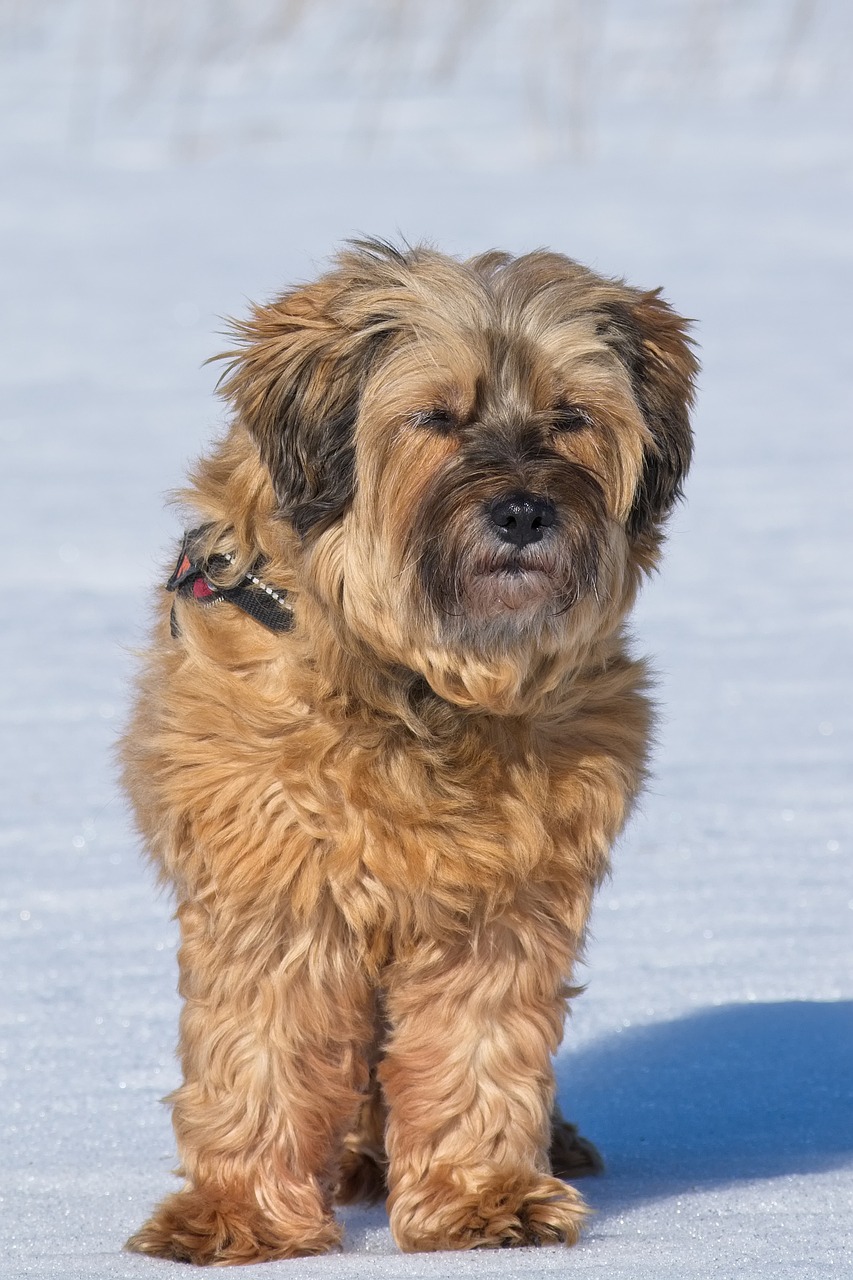
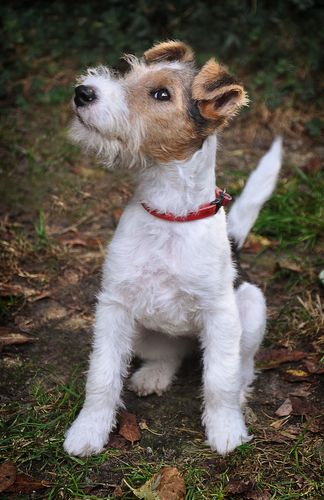
The Welsh Terrier is small, with a sturdy and muscular build. Their coat is dense, rough, and waterproof, with various colors including black and tan. They have a rectangular-shaped head, small erect ears, and dark eyes full of intelligence and alertness.
Welsh Terriers are highly active and enjoy various outdoor activities such as hiking, running, and playing. They have excellent endurance and flexibility, capable of adapting to various terrains and weather conditions. They excel in hunting and agility competitions.
Welsh Terriers are known for their bravery, intelligence, and friendly nature. They are very loyal and enjoy interacting with family members, especially children. They may be cautious with strangers but become friendly once they adapt. Welsh Terriers are easy to train and highly adaptable, making them excellent family companions and working dogs.
The coat of the Welsh Terrier requires regular trimming and brushing to stay healthy and tidy. They need plenty of exercise to burn off energy and stay healthy. Regular ear checks and cleaning are essential to prevent infections. Overall, they are relatively easy to care for but require owners to have sufficient time and energy to dedicate to them.
Major Concerns: Hip dysplasia, progressive retinal atrophy
Minor Concerns: Hypothyroidism, allergies
Occasional Issues: Epilepsy, heart disease
Recommended Tests: Hip, eye, thyroid
Lifespan: 12–15 years
The Welsh Terrier is highly regarded in Wales and worldwide for its excellent hunting skills and friendly nature. Initially used as hunting dogs, they are now beloved as family companions and working dogs. Their friendly and versatile nature makes them stand out in various canine activities, continuing to win the hearts of dog enthusiasts.